








Why Familiar Neighborhoods No Longer Feel Like the Places We Remember
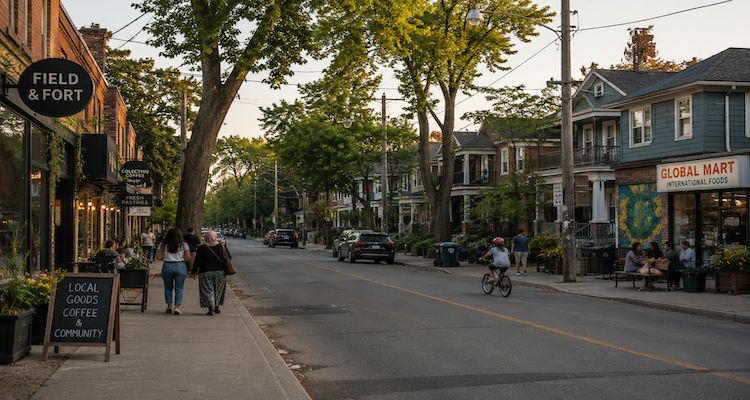
A street can remain physically unchanged and still feel completely different.
The corner store is still there. The same houses line the road. The park remains where it has always been. Yet many people are experiencing a strange sensation when walking through neighborhoods they have known for years: a growing feeling that something is missing, altered, or difficult to recognize.
This experience is becoming increasingly common in cities, suburbs, and even small towns. While dramatic redevelopment often attracts attention, the deeper story is about subtle changes that accumulate over time. Familiar neighborhoods are not only shaped by buildings and streets but also by routines, relationships, sounds, businesses, and shared social habits. When those elements shift, the neighborhood can begin to feel unfamiliar even if the physical landscape remains largely intact.
The result is a growing sense of disconnection that many people struggle to explain.
The Invisible Changes We Notice Before We Understand Them
Most people assume neighborhoods change when new construction arrives. In reality, emotional recognition often disappears long before major physical transformation occurs.
A favorite café changes ownership. Longtime residents move away. Children who once played outside grow up and leave. Local businesses are replaced by national chains. Community events become less frequent. The faces people regularly encounter gradually disappear.
None of these changes may seem significant on their own. Together, however, they alter the social rhythm of a place.
Human beings develop strong mental maps of their environments. These maps are not based solely on geography. They are built from repeated experiences, familiar encounters, and expectations. When enough of those experiences disappear, people can feel as though they are walking through a version of their neighborhood rather than the neighborhood itself.
This is one reason people often describe certain places as feeling different without being able to identify a specific cause.
Why This Feeling Is Becoming More Common
Several broader trends are accelerating this phenomenon.
Remote work has changed daily activity patterns in many communities. Streets that once filled with commuters at predictable times may now experience different rhythms throughout the day. Some local businesses have adapted successfully, while others have struggled to survive.
Housing markets have also contributed to rapid population turnover in many areas. As residents move more frequently, neighborhoods can lose long-standing social connections that once provided a sense of continuity.
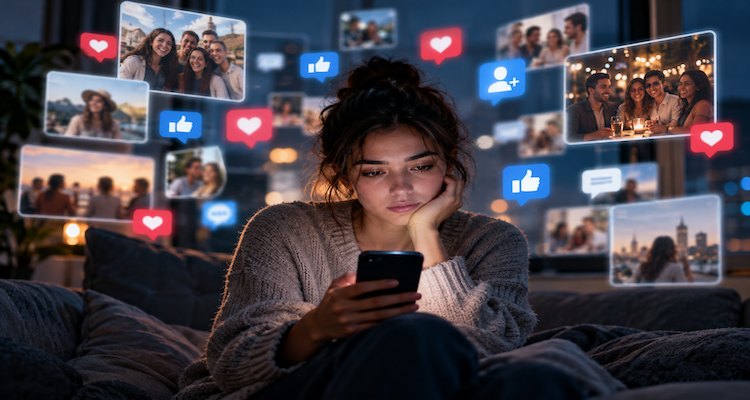
At the same time, digital communication has altered how people interact locally. Many relationships now exist primarily online, reducing casual face-to-face encounters that once occurred naturally in shops, parks, and public spaces.
The neighborhood itself may remain intact, but the social fabric that gave it character can become thinner.
This shift is particularly noticeable for people who have lived in the same place for many years. They are comparing today’s environment not only to the present but also to decades of accumulated memories.
The Difference Between Physical Place and Social Place
One of the most overlooked aspects of neighborhood identity is that places are experienced socially as much as physically.
Urban planners, sociologists, and community researchers have long recognized that a neighborhood is more than its infrastructure. The feeling of belonging often comes from informal interactions: greeting a familiar shop owner, recognizing neighbors during a morning walk, or knowing the history behind local landmarks.
When those connections weaken, a neighborhood can begin to feel anonymous.
This distinction helps explain why even well-maintained communities sometimes feel less familiar than they once did. Improvements in infrastructure do not automatically preserve a sense of place.
A newly renovated shopping district may attract visitors, but it may also replace businesses that served as social anchors for longtime residents. The physical environment improves while emotional familiarity declines.
The Rise of the “Everywhere Looks the Same” Effect
Another factor shaping perceptions of neighborhoods is increasing visual uniformity.
Many urban and suburban developments now share similar architectural styles, retail brands, and design trends. Coffee shops, apartment complexes, and mixed-use developments often follow patterns that appear in cities across the world.
While standardization can offer convenience and efficiency, it can also reduce local distinctiveness.
People often develop attachment to places because they feel unique. When neighborhoods begin to resemble countless others, residents may struggle to maintain a strong sense of local identity.
This creates what some observers describe as the “everywhere looks the same” effect, a growing perception that distinctive local character is being replaced by a more generic experience.
The concern is not necessarily about change itself. Communities have always evolved. The issue is whether those changes preserve the qualities that made a place memorable in the first place.
A Hidden Psychological Impact
The emotional effects of neighborhood transformation are often underestimated.
Humans derive comfort from familiarity. Predictable environments help create feelings of stability, continuity, and belonging. When familiar surroundings become harder to recognize, people can experience subtle forms of loss.
This does not mean something is wrong with the neighborhood. Rather, it reflects the deep relationship between identity and place.
For many people, neighborhoods serve as repositories of personal history. They contain memories of childhood, friendships, milestones, and daily routines. Changes to those environments can feel surprisingly personal because they affect how people connect with their own past.
The experience is sometimes less about losing a place and more about losing a version of oneself associated with that place.
What Neighborhood Change Reveals About Modern Life
The growing sense of unfamiliarity in once-familiar neighborhoods points to a larger cultural trend.
Modern society is experiencing faster cycles of economic, technological, and social change than many previous generations encountered. Communities are adapting to remote work, digital commerce, demographic shifts, and changing lifestyle preferences simultaneously.
As a result, the pace of local transformation often feels accelerated.
The deeper insight is that people are not merely reacting to new buildings, businesses, or residents. They are responding to the increasing speed at which environments evolve around them.
Neighborhoods have always changed. What feels different today is how quickly multiple layers of change can occur at once.
This may explain why discussions about local identity, community preservation, and place attachment are gaining renewed attention. Many residents are searching for ways to maintain continuity amid constant transformation.
What Happens Next?
The future of neighborhood identity will likely depend on more than urban planning or economic development.
Communities that successfully preserve a sense of place may be those that invest not only in physical infrastructure but also in social connections. Local events, public gathering spaces, independent businesses, and community traditions can help maintain the relationships that make neighborhoods feel recognizable.
Technology will continue to influence how people live and interact, but the desire for belonging remains remarkably consistent.
The feeling that a familiar neighborhood has become unrecognizable is ultimately a reminder of something important: places are not defined solely by where they are on a map. They are shaped by the people, routines, memories, and relationships that give them meaning.
When those elements change, even the most familiar street can begin to feel like somewhere entirely new.
This content is published for informational or entertainment purposes. Facts, opinions, or references may evolve over time, and readers are encouraged to verify details from reliable sources.