







How Wildlife Is Emerging as a Key Climate Adaptation Indicator
A changing climate leaves traces in places that are easy to measure rising temperatures, shifting rainfall patterns, and increasing weather extremes. Yet some of the most revealing signals are not found in weather stations or satellite imagery. They are found in the movements, behaviors, and survival patterns of wildlife.
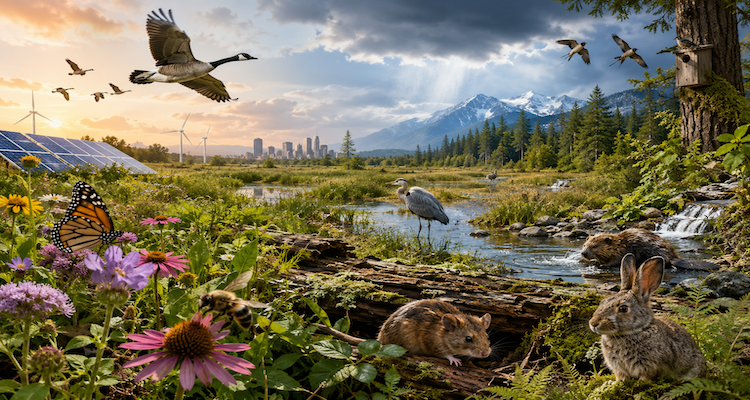
Across forests, wetlands, coastlines, grasslands, and even urban environments, animals are responding to environmental changes in ways that scientists, conservationists, and policymakers are increasingly paying attention to. Wildlife is no longer viewed solely as something affected by climate change. It is becoming an important indicator of how ecosystems are adapting or struggling to adapt to a rapidly changing world.
This shift represents a significant change in how climate resilience is understood. Instead of looking only at environmental conditions, researchers are examining how living systems respond. Wildlife behavior is providing real-world evidence of whether adaptation efforts are working and whether ecosystems remain capable of supporting life in the future.
The Living Signals Hidden in Nature
Animals respond to environmental changes much faster than many landscapes do. When temperatures rise, water sources shrink, vegetation changes, or migration routes become disrupted, wildlife often reacts almost immediately.
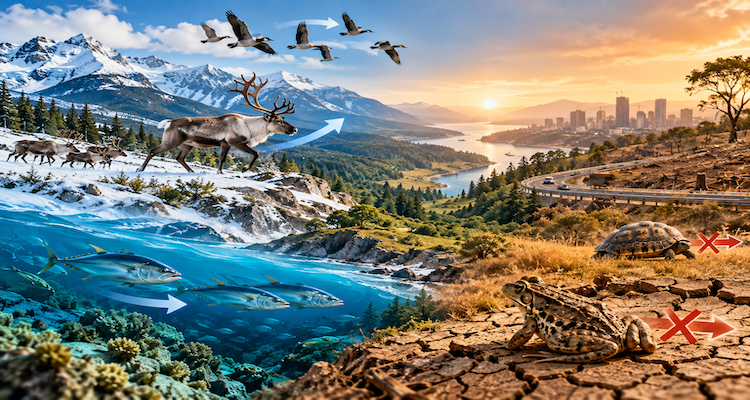
Birds may alter migration schedules. Pollinators may appear earlier in the year. Marine species may move into new regions. Mammals may shift feeding patterns or seek different habitats.
These changes are more than isolated observations. They can reveal broader environmental transformations that might otherwise go unnoticed.
For example, when species begin appearing outside their traditional ranges, it may indicate that local temperatures, rainfall patterns, or food availability have changed enough to reshape an ecosystem. Similarly, the decline or disappearance of sensitive species can signal growing environmental stress long before larger ecological impacts become obvious.
In this sense, wildlife acts as a biological early-warning system.
Why Adaptation Matters More Than Survival Alone
Conversations about climate change often focus on survival, whether a species can avoid extinction. While survival remains important, adaptation provides a deeper measure of ecosystem health.
A species that adapts successfully may alter migration routes, change breeding times, modify feeding habits, or discover new habitats. These adjustments demonstrate resilience.
However, adaptation is rarely an individual process. Wildlife depends on interconnected systems.
A bird species may adapt by nesting earlier, but if insects emerge at different times, food availability can become mismatched. A pollinator may shift its range, but flowering plants may not move at the same pace. Fish may migrate toward cooler waters, affecting entire food chains and local economies.
As a result, wildlife adaptation offers insight into how well entire ecosystems are adjusting rather than how individual species are performing.
This broader perspective is increasingly influencing conservation strategies around the world.
The Growing Role of Wildlife in Climate Planning
Climate adaptation planning traditionally focused on infrastructure, agriculture, water management, and disaster preparedness. Wildlife conservation often operated in a separate category.
That distinction is beginning to fade.
Many environmental planners now recognize that healthy ecosystems support climate resilience. Wetlands help reduce flooding. Forests stabilize temperatures and store carbon. Coastal habitats can buffer storm impacts. Pollinators support food production.
Wildlife plays a central role in maintaining these ecosystem functions.
When animal populations remain healthy and adaptable, they often indicate that ecological systems continue to function effectively. Conversely, widespread disruptions in wildlife behavior can reveal weaknesses in ecosystem resilience.
This understanding is encouraging governments, researchers, and conservation organizations to incorporate wildlife monitoring into broader climate adaptation efforts.
Rather than viewing wildlife as a passive victim of climate change, it is increasingly seen as a source of valuable environmental intelligence.
What Wildlife Is Revealing About Ecosystem Resilience
One of the most important insights emerging from wildlife research is that adaptation capacity varies significantly between ecosystems.
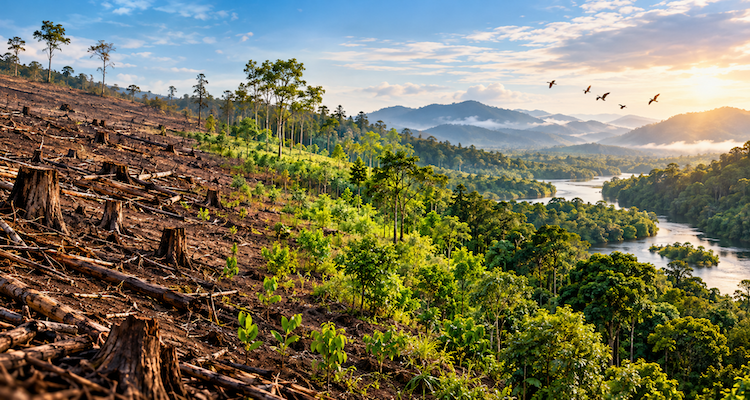
Some environments appear surprisingly resilient. Certain species can adjust behaviors, expand territories, or exploit new resources. In these areas, ecosystems may continue functioning despite changing conditions.
Other ecosystems show signs of mounting pressure.
Species that rely on highly specific habitats, seasonal timing, or limited food sources often face greater challenges. Changes that seem minor from a human perspective can disrupt critical ecological relationships.
This creates an important lesson: climate adaptation is not simply about environmental change itself but about the ability of living systems to respond.
Wildlife observations help reveal where resilience exists and where intervention may be necessary.
An Unexpected Insight About Human Communities
Perhaps the most overlooked aspect of wildlife adaptation is what it reveals about human vulnerability.
People often view wildlife conservation and climate adaptation as separate concerns. In reality, they are closely connected.
When wildlife populations struggle, the underlying causes frequently affect human communities as well.
Changes in pollinator activity can influence agricultural productivity. Alterations in fish migration patterns can affect fisheries and coastal economies. Degraded wetlands can reduce natural flood protection. Declining biodiversity can weaken ecosystem stability in ways that eventually impact water quality, food security, and public well-being.
Wildlife adaptation therefore provides a window into the future condition of the environments people depend on.
In many cases, animals respond to ecological stress before humans fully recognize its consequences.
This makes wildlife monitoring not just a conservation tool but also a practical component of climate preparedness.
Technology Is Expanding What We Can Learn
Advances in technology are making wildlife a more powerful climate indicator than ever before.
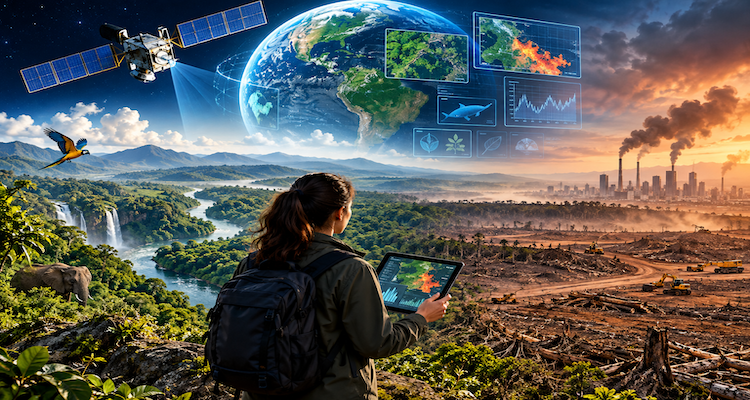
Satellite tracking, remote sensors, camera traps, acoustic monitoring systems, and artificial intelligence tools are helping researchers observe wildlife movements and behaviors across vast regions.
Patterns that once took years to detect can now be identified much more quickly.
For example, tracking migration shifts across continents or monitoring changes in species distribution can provide valuable clues about emerging environmental pressures.
Importantly, these technologies allow researchers to study ecosystems with less disturbance while generating more comprehensive data.
As monitoring capabilities improve, wildlife-based indicators may become increasingly important in guiding climate adaptation decisions at local, national, and global levels.
Why This Moment Feels Different
Climate discussions have often focused on predicting future risks. Wildlife observations offer something different: evidence of adaptation already happening in real time.
Instead of relying solely on models and projections, researchers can observe how living organisms respond to changing environmental conditions today.
This creates a more immediate and relatable understanding of climate impacts.
People may not notice subtle shifts in seasonal temperatures or ecosystem dynamics. They are more likely to notice birds arriving earlier, species appearing in unexpected places, or familiar wildlife becoming less common.
These visible changes help bridge the gap between abstract climate concepts and everyday experience.
As a result, wildlife is becoming an increasingly important link between environmental science and public awareness.
Looking Ahead
The future of climate adaptation will likely depend on understanding not only environmental changes but also biological responses.
Wildlife offers one of the clearest ways to observe those responses as they unfold.
The movements of animals, the timing of migrations, the success of breeding seasons, and the health of ecosystems together provide a living record of adaptation in progress.
As climate challenges continue to evolve, wildlife may become one of the most valuable indicators available not simply because it reflects environmental change, but because it reveals whether nature still possesses the flexibility needed to cope with it.
That insight has implications far beyond conservation. It influences how societies prepare for uncertainty, protect essential ecosystems, and build resilience in a changing world.
This content is published for informational or entertainment purposes. Facts, opinions, or references may evolve over time, and readers are encouraged to verify details from reliable sources.