










Netflix’s Summer Content Surge Reflects a Major Shift in Viewer Behavior
Key Takeaways
- Netflix added 90 new movies and series in a single week, creating one of its largest summer content expansions.
- Classic franchises, nostalgic television shows, and familiar films continue attracting strong viewer interest across generations.
- Viewer behavior increasingly favors recognizable titles over unfamiliar content despite the growth of original productions.
- The latest additions reveal how streaming platforms balance licensing agreements with investments in exclusive programming.
- Competition for audience attention is pushing streaming services to rethink content discovery and recommendation strategies.
Introduction
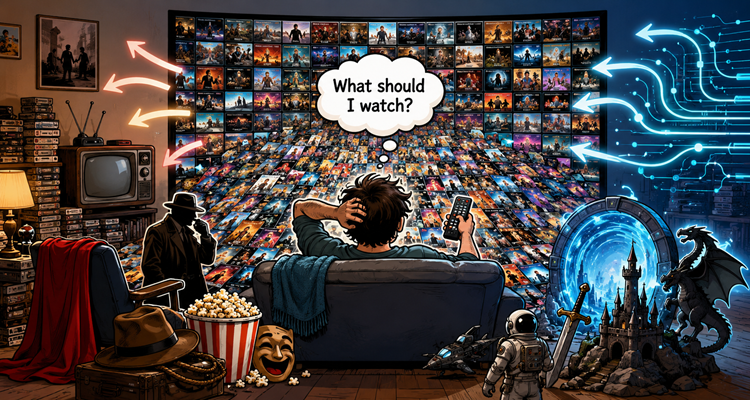
For years, streaming platforms promised unlimited choice. Today, that promise has evolved into something more complex: helping viewers find something worth watching amid an overwhelming number of options.
Netflix’s latest content expansion offers a striking example of this challenge. The platform added 90 new movies and television series within a single week, creating one of the largest content refreshes of the summer season. The additions range from modern hits and acclaimed dramas to nostalgic television favorites and family-friendly films.
While a large content drop naturally attracts attention, the more interesting story lies beneath the numbers. The latest releases reveal important shifts in audience preferences, content licensing strategies, and the increasingly competitive battle for viewer engagement.
As streaming platforms continue competing for screen time, Netflix’s newest additions provide valuable insight into what audiences are choosing to watch, why familiar titles continue to resonate, and how the future of streaming may be shaped by a growing desire for both discovery and comfort.
Understanding the Development
Netflix’s latest weekly rollout introduced 63 films and 27 television series to its U.S. library.
The collection spans multiple genres, languages, and audience segments. Family films, sports comedies, action thrillers, classic dramas, anime, international series, and original productions all arrived simultaneously.
Among the most notable additions are Enola Holmes 3, the return of the cult-favorite series Heroes, acclaimed western Old Henry, sports comedy 80 for Brady, and popular titles such as Spider-Man: Homecoming, Moneyball, Gone Girl, and Apollo 13.
The breadth of the release highlights a strategy that has become increasingly important for streaming platforms: serving multiple audience groups at once rather than relying on a handful of blockbuster titles.
A Blend of New and Familiar
One notable pattern is the mix of original content and licensed acquisitions.
Netflix continues investing heavily in original productions such as Enola Holmes 3, while simultaneously bringing back established properties that already possess dedicated fan bases.
This dual approach reduces risk. Original productions create exclusivity, while licensed content delivers immediate recognition and proven audience demand.
Why This Matters
The significance of this content expansion goes beyond entertainment.
Streaming platforms now compete not only against each other but also against every digital activity competing for consumer attention. Social media, gaming, podcasts, short-form video, and traditional television all vie for the same limited hours in a viewer’s day.
In this environment, content quantity alone is no longer enough.
The Attention Economy Challenge
Research across digital media consistently shows that consumers often struggle when presented with too many options.
Psychologists refer to this as “choice overload,” where an abundance of options can make decision-making more difficult rather than easier.
Netflix’s large-scale content additions demonstrate both the opportunity and the challenge of modern streaming. More content increases the likelihood that viewers will find something appealing, but it also raises the difficulty of discovering it.
This reality helps explain why recommendation algorithms, curated lists, and personalized homepages have become central features of streaming platforms.
Why Familiar Titles Keep Winning
One of the most revealing trends in the latest rankings is the continued success of recognizable brands and established franchises.
Whether it is Avatar: The Last Airbender, Heroes, Spider-Man, or family franchises such as Minions, audiences consistently gravitate toward content they already understand.
In uncertain or busy periods, viewers often choose familiarity over experimentation. Familiar stories require less mental effort and offer predictable entertainment value.
What Is Changing
Several emerging developments are visible within Netflix’s latest content strategy.
Nostalgia Is Becoming a Growth Engine
The return of older series such as Heroes demonstrates the growing commercial value of nostalgia.
A decade ago, streaming services primarily marketed themselves around fresh content. Today, nostalgia has become a major audience acquisition and retention tool.
Older titles provide several advantages:
- Built-in fan communities
- Lower audience education costs
- High binge-watching potential
- Cross-generational appeal
For viewers who watched these series years ago, returning to them offers familiarity. For younger audiences, they represent cultural discoveries.
International Content Is Becoming Mainstream
The latest additions also showcase Netflix’s increasingly global approach.
Korean dramas, Japanese series, Hindi productions, Telugu originals, Thai dramas, and French limited series all appear alongside American content.
This reflects a significant industry shift. International programming is no longer treated as niche content but as a core component of global streaming strategies.
The success of international hits over recent years has demonstrated that audiences are increasingly willing to cross language and cultural boundaries in search of compelling stories.
Genre Diversity Is Expanding
Rather than concentrating solely on prestige dramas or action franchises, Netflix continues broadening its catalog.
Comedy, sports, family entertainment, horror, science fiction, documentaries, reality programming, and anime all received attention during this release cycle.
This diversification reduces dependence on any single audience segment and strengthens subscriber retention.
The Bigger Picture
Netflix’s latest additions reveal broader transformations occurring across the streaming industry.
Streaming Has Entered Its Maturity Phase
The early streaming era focused on subscriber growth above all else.
Today, the market is more mature.
Most major platforms have already attracted large user bases, meaning future success increasingly depends on retention rather than acquisition.
Keeping subscribers engaged month after month requires a steady flow of fresh content combined with recognizable favorites.
Content Libraries Are Becoming Strategic Assets
The return of titles such as Heroes highlights the growing importance of content libraries.
Studios once viewed older shows primarily as archival assets. Now, these libraries generate substantial value through licensing agreements and renewed audience interest.
As competition intensifies, ownership of beloved franchises and recognizable intellectual property has become increasingly important.
Data Is Influencing Content Decisions
Streaming platforms possess unprecedented insight into audience behavior.
They know when viewers stop watching, what genres perform best, how quickly subscribers finish series, and which titles drive engagement.
This data increasingly influences licensing decisions, production investments, and recommendation systems.
The result is a content ecosystem that becomes more personalized—and potentially more competitive—with each passing year.
Opportunities and Challenges
While large content additions create opportunities, they also introduce challenges.
Benefits for Viewers
The immediate advantage is obvious: greater variety.
Viewers gain access to:
- More genres
- More international stories
- More family-friendly options
- More nostalgic favorites
- More original productions
This diversity increases the likelihood that different audience groups find content aligned with their interests.
Discovery Remains a Major Problem
However, finding the right title can be difficult.
Many high-quality productions struggle for visibility despite strong reviews or critical acclaim.
A film such as Old Henry may receive widespread praise, yet still compete for attention against blockbuster franchises and heavily promoted originals.
As libraries grow, content discovery becomes nearly as important as content creation.
Rising Content Costs
Licensing popular titles and producing original programming both require significant investment.
The streaming industry continues facing pressure to balance subscriber growth, profitability, and content spending.
This challenge will likely influence future licensing agreements and production decisions across the sector.
What Comes Next
Several trends are likely to shape Netflix’s future content strategy.
First, expect continued investment in recognizable intellectual property. Established brands remain powerful tools for attracting and retaining subscribers.
Second, international programming will continue expanding. Global audiences increasingly embrace stories from different cultures, making multilingual content an important growth area.
Third, recommendation systems will become even more sophisticated. As content libraries expand, helping viewers find relevant programming quickly becomes essential.
Finally, streaming platforms may increasingly focus on creating viewing experiences rather than simply adding more content. Personalized recommendations, curated collections, and audience-specific programming strategies could become major differentiators.
The battle for attention is no longer about who offers the most content. It is about who helps viewers discover the right content at the right moment.
Conclusion
Netflix’s addition of 90 new movies and series may appear to be another routine content update, but it reflects deeper changes unfolding across the streaming landscape.
The latest releases reveal a growing reliance on nostalgia, the rising importance of international storytelling, and the continued challenge of helping audiences navigate overwhelming choice. At the same time, viewing trends show that recognizable brands and familiar stories remain powerful forces even in an era of endless digital options.
For viewers, the expansion offers more entertainment possibilities than ever before. For the streaming industry, it serves as a reminder that success depends not only on producing content but on understanding human behavior, attention, and the evolving ways people choose to spend their time.
This content is published for informational or entertainment purposes. Facts, opinions, or references may evolve over time, and readers are encouraged to verify details from reliable sources.
Related News
- Netflix’s 2026 Book Options Reveal What Stories It May Be Betting On Next
- Why Video Game Adaptations Are Finally Winning Over Audiences
- From Fan Fiction to Blockbusters: How Online Communities Are Changing Storytelling
- The Death of Channel Surfing: How Streaming Changed the Way We Discover Entertainment