









Why Young People Are Choosing Real-World Experiences Again
A decade ago, the direction of youth culture seemed clear. More social interaction, entertainment, shopping, and self-expression were moving online. Digital platforms promised convenience, connection, and endless opportunities to engage with the world from a screen.
Yet a quieter shift has been unfolding beneath the surface. Young people who grew up with smartphones, social media, streaming platforms, and constant connectivity are increasingly seeking something that technology cannot fully replicate: real-world experiences.
From packed book clubs and community events to hobby groups, outdoor activities, live music, local markets, and digital detox retreats, a growing number of young adults are intentionally spending more time offline. This is not a rejection of technology. Rather, it reflects a changing relationship with it, and a deeper search for meaning, connection, and authenticity.
The Digital Generation Is Experiencing Digital Fatigue
For many young people, digital life is no longer exciting simply because it is digital.
The generation that grew up online has spent years navigating social feeds, endless notifications, algorithm-driven content, and virtual interactions. While these tools provide convenience, they also create a constant flow of information competing for attention.
Many young adults are discovering that convenience does not always produce satisfaction.
Streaming a concert is easy. Attending one creates memories. Messaging friends is efficient. Spending time together often feels more meaningful. Ordering everything online saves time, but browsing a local market or independent bookstore can provide a sense of discovery that algorithms struggle to recreate.
As digital experiences become increasingly optimized, some people are beginning to value experiences that feel less optimized and more human.
The Rise of Authenticity as a Cultural Currency
One of the most significant cultural shifts among younger generations is the growing importance of authenticity.
Online spaces often encourage performance. Profiles, photos, and content can be carefully curated. Even ordinary moments can become opportunities for public presentation.
Offline experiences operate differently.
A hiking trip, a volunteer project, a cooking class, or a local music event does not generate value primarily through likes, shares, or views. The value comes from participation itself.
This distinction matters because many young people are increasingly measuring experiences by how they feel rather than how they appear online.
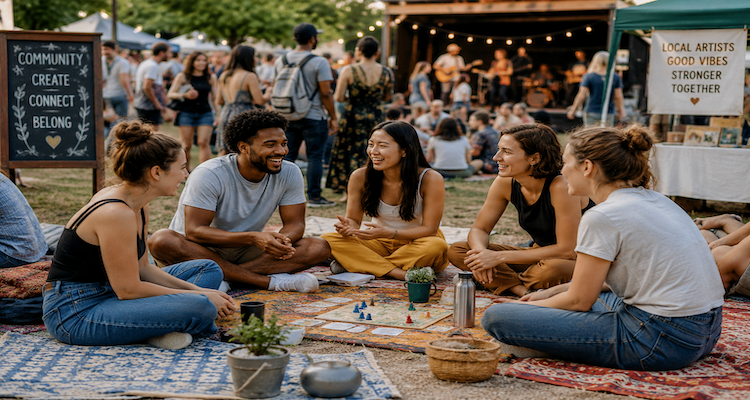
The trend helps explain renewed interest in activities that were once considered old-fashioned, including board game gatherings, craft workshops, reading communities, gardening groups, and local cultural events.
These activities offer something increasingly rare in digital environments: genuine presence.
Why Businesses Are Paying Attention
The return to offline experiences is creating opportunities across multiple industries.
Retail brands are transforming stores into experience-focused destinations rather than purely transactional spaces. Bookstores are hosting events and discussions. Fitness studios are emphasizing community building. Hospitality businesses are creating immersive experiences rather than simply selling services.
The shift reflects a broader realization that consumers are often looking for memorable moments rather than products alone.
Many successful businesses now compete not only on price and convenience but also on their ability to create meaningful real-world interactions.
This is particularly important when targeting younger audiences who increasingly value experiences that provide social connection, personal growth, or a sense of belonging.
The Hidden Insight: Offline Is Becoming a Form of Luxury
One of the most interesting developments is that offline time itself is becoming increasingly valuable.
For much of the digital era, access to information was scarce and connectivity was limited. Today, the opposite is true. Information is abundant, notifications are constant, and attention is fragmented.
As a result, uninterrupted experiences have become harder to find.
A dinner without phones, a weekend hiking trip, an evening spent learning a skill, or a conversation without digital distractions can feel surprisingly rare.
In economic terms, scarcity often creates value. In cultural terms, uninterrupted attention may be becoming one of the most valuable resources young people possess.
This helps explain why activities centered on mindfulness, nature, creativity, and face-to-face interaction continue attracting interest. The appeal is not nostalgia. It is the opportunity to escape constant digital competition for attention.
Community Is Making a Comeback
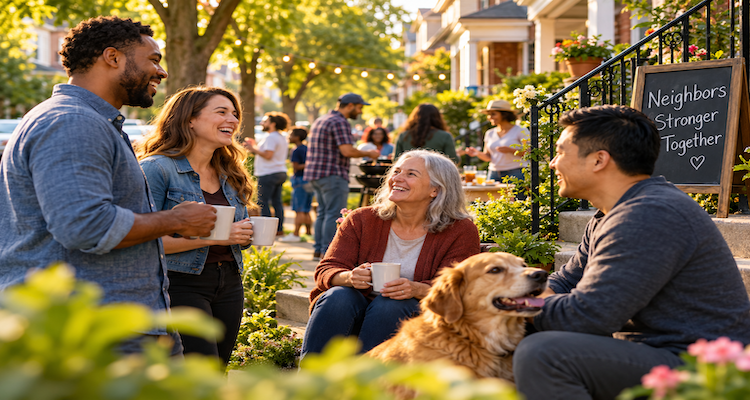
Another factor driving the return to offline experiences is the growing desire for community.
Social media provides access to vast networks, but large networks do not automatically create close relationships.
Many young adults are discovering that meaningful connections often emerge through shared activities rather than shared content.
Sports leagues, hobby clubs, volunteer organizations, local events, educational workshops, and community projects offer opportunities to build relationships through participation rather than observation.
These environments encourage interaction that feels more natural and less performative.
The result is a renewed appreciation for local communities at a time when global digital networks dominate everyday life.
What Makes This Moment Different
Interest in offline experiences is not entirely new. People have always valued real-world interactions.
What makes this moment different is the context.
Today’s young adults are not returning to offline experiences because digital alternatives are unavailable. They are choosing them despite having access to more digital options than any previous generation.
That distinction is important.
The movement is less about rejecting technology and more about achieving balance. Most young people continue using digital tools extensively for work, communication, entertainment, and learning. However, many are becoming more selective about how they spend their attention.
The shift reflects a broader cultural maturity regarding technology. Instead of viewing digital experiences as automatically superior, people are increasingly evaluating which experiences genuinely improve their lives.
What Could Happen Next?
The growing preference for offline experiences may influence everything from education and entertainment to retail, travel, and workplace culture.
We may see more businesses investing in community-building initiatives, more cities creating public gathering spaces, and more organizations designing experiences that encourage meaningful human interaction.
Technology itself could adapt to support this trend. Rather than maximizing screen time, future digital products may focus more on helping people transition between online and offline worlds.
The most successful platforms and brands may not be those that capture the most attention, but those that help people use attention more intentionally.
A Shift Toward Meaningful Living
The renewed interest in offline experiences reveals something deeper than changing consumer preferences. It reflects a broader search for meaning in an increasingly digital world.
Young people are demonstrating that convenience alone is not enough. They are looking for connection, presence, community, and experiences that feel tangible and memorable.
Far from being a temporary trend, this shift may signal a lasting cultural adjustment, one in which technology remains essential but no longer defines every aspect of daily life.
The future is unlikely to be fully online or fully offline. Instead, it may belong to those who learn how to balance both worlds and recognize the unique value each can provide.
This content is published for informational or entertainment purposes. Facts, opinions, or references may evolve over time, and readers are encouraged to verify details from reliable sources.