










How Artificial Weather Effects in Entertainment Are Changing Our Sense of Reality
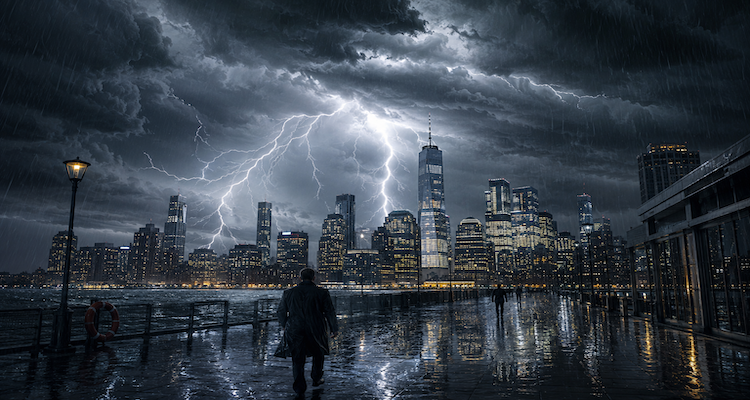
A heavy thunderstorm rolls across a movie screen, complete with flashes of lightning, swirling winds, and sheets of rain. Moments later, the same kind of storm appears in a video game, a virtual reality experience, and even an immersive theme park attraction. Although none of it is real, our brains often respond as if it is. The growing sophistication of artificial weather effects is quietly reshaping how audiences experience stories and, in some cases, how they perceive reality itself.
Weather has always been a powerful storytelling device, symbolizing danger, hope, mystery, or transformation. What has changed is the technology behind it. Today’s digital rain falls more naturally, computer-generated fog moves with convincing unpredictability, and simulated sunlight behaves according to real-world physics. These advances are making fictional environments feel increasingly authentic, blurring the line between visual illusion and lived experience.
Weather Is No Longer Just Background Scenery
For decades, weather in entertainment primarily served as decoration. Rain signaled sadness, sunshine represented happiness, and storms created dramatic tension. Modern visual effects have transformed weather into an active participant in storytelling.
Film studios now combine sophisticated computer graphics, physics-based simulations, volumetric lighting, and artificial intelligence-assisted animation to create environments that respond realistically to characters and camera movement. Instead of simply watching a storm, audiences experience its atmosphere through sound, lighting, and subtle environmental details.
This shift is evident across blockbuster films, prestige television, animated productions, and high-budget streaming series, where weather contributes as much to emotional impact as dialogue or music.
Video Games Are Raising Audience Expectations
Interactive entertainment has accelerated this evolution even further.
Many contemporary video games feature dynamic weather systems that change naturally during gameplay. Rain reduces visibility, snow alters movement, and shifting winds influence exploration. Rather than existing as scripted visual effects, weather becomes part of the player’s decision-making process.
Titles such as Microsoft Flight Simulator, Red Dead Redemption 2, and The Legend of Zelda: Tears of the Kingdom demonstrate how believable weather can make virtual worlds feel genuinely alive. Players gradually learn to expect digital environments to behave according to familiar natural patterns.
As these experiences become more common, audiences begin carrying those expectations into other forms of entertainment.
Artificial Intelligence Is Enhancing Environmental Realism
Artificial intelligence is becoming an increasingly valuable creative tool for visual effects artists. Rather than replacing traditional artists, AI can assist by accelerating simulations, generating environmental variations, improving cloud formations, enhancing particle effects, and helping predict how natural elements should behave within complex scenes.
This allows creative teams to spend more time refining artistic choices while reducing repetitive technical work.
The result is not simply more spectacular weather it is more believable weather.
Cloud shadows shift realistically across landscapes. Ocean waves interact more naturally with storms. Dust, smoke, and falling leaves move in convincing patterns that audiences may not consciously notice but instinctively accept.
Ironically, the less viewers notice these effects, the more successful they become.
Why Our Brains Respond to Fake Weather
Human perception evolved to interpret environmental cues quickly. Rain often signals shelter, thunder suggests caution, and changing light influences emotional responses. Entertainment creators increasingly understand how these psychological associations shape audience engagement.
When digital weather closely mimics real-world behavior, viewers experience emotional reactions that feel authentic despite knowing the scene is fictional.
Research in psychology has long demonstrated that visual realism can increase emotional immersion. Artificial weather strengthens that immersion because environmental conditions influence attention, mood, and expectations almost automatically.
The experience becomes less about observing fiction and more about temporarily inhabiting it.
Beyond Movies: The Rise of Immersive Experiences
Artificial weather is expanding far beyond cinema.
Theme parks now combine projection mapping, mist systems, synchronized lighting, temperature changes, and directional airflow to simulate environmental conditions. Museums use atmospheric effects to deepen educational storytelling. Virtual reality experiences increasingly rely on environmental realism to strengthen presence.
Some experimental installations even synchronize subtle physical sensations with digital weather, creating multisensory experiences that blur distinctions between physical and virtual environments.
As mixed reality technologies continue to develop, weather simulation may become a standard component of immersive entertainment rather than a novelty.
A Cultural Shift Toward Hyperreal Experiences
Perhaps the most significant change is cultural rather than technological.
Audiences today consume entertainment across films, streaming platforms, games, social media, and virtual environments. Each platform competes to create increasingly realistic experiences that capture attention.
Artificial weather contributes to what many media observers describe as “hyperreal” entertainment experiences that feel emotionally authentic even when entirely synthetic.
This has subtle consequences.
People may remember fictional environments with surprising clarity. Digital landscapes can evoke nostalgia despite never existing physically. Younger audiences who grow up with highly realistic virtual worlds may develop different expectations for visual authenticity than previous generations.
Entertainment is no longer simply representing reality; it is creating alternative realities that feel emotionally convincing.
The Creative Challenge Ahead
Greater realism also raises important creative questions.
Perfect visual simulation does not automatically produce meaningful storytelling. Spectacular storms can overwhelm character development if used merely as technical showcases. Likewise, increasingly realistic environmental effects may encourage audiences to focus on visual spectacle at the expense of narrative depth.
The most successful filmmakers, game designers, and visual artists recognize that technology works best when it supports emotional storytelling rather than replacing it.
Artificial weather should enhance atmosphere, reveal character, and reinforce narrative not become the story itself.
What This Means for the Future of Entertainment
The next generation of entertainment may feature environments that adapt in real time.
Advances in AI, real-time rendering, cloud computing, and virtual production could eventually allow weather systems to respond dynamically to audience interaction or even emotional engagement in interactive experiences.
Instead of every viewer seeing identical rainfall or identical sunsets, future platforms may personalize environmental conditions based on narrative choices or immersive technologies.
While these possibilities remain under development, the direction is clear: entertainment is becoming increasingly responsive, atmospheric, and experiential.
More Than Special Effects
Artificial weather effects represent more than technical achievement. They illustrate how entertainment is evolving from passive observation into emotional participation.
Rain, snow, fog, wind, and sunlight have become sophisticated storytelling tools that shape audience perception almost invisibly. Their growing realism reflects broader changes in digital media, where authenticity is measured not by whether something is real, but by whether it feels real.
As technology continues to narrow the gap between simulation and experience, viewers may find themselves responding less to what they know intellectually and more to what they perceive emotionally. In that sense, artificial weather is changing more than entertainment it is subtly influencing how we interpret reality itself.
This content is published for informational or entertainment purposes. Facts, opinions, or references may evolve over time, and readers are encouraged to verify details from reliable sources.