








Why Empty Hotel Rooms Can Feel Stranger Than Occupied Ones
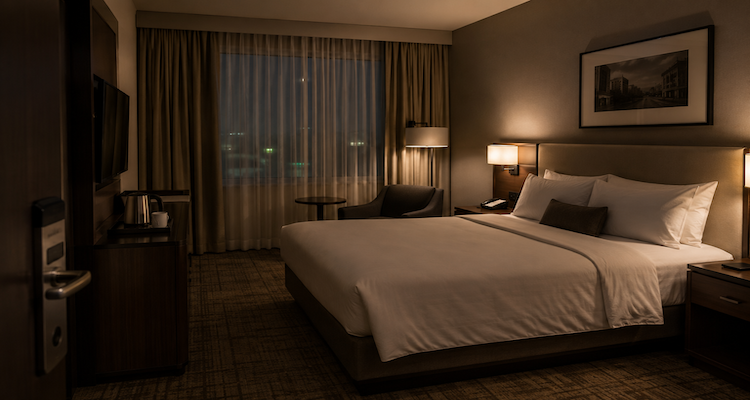
There is a peculiar feeling that some travelers struggle to describe. You check into a hotel after a long journey, unlock the door, and step inside what appears to be a perfectly clean, well-maintained room. Yet something feels unexpectedly unsettling. Nothing is obviously wrong, but the silence seems heavier, the space feels oddly vacant, and the atmosphere creates a quiet sense of discomfort.
Not every hotel room produces this reaction. Many feel warm, welcoming, and restful from the moment you enter. Others, despite offering the same amenities and similar décor, leave guests eager to switch on every light or keep the television playing in the background. The difference often has less to do with ghosts or supernatural stories than with the subtle ways human psychology responds to unfamiliar environments.
As travel has become more frequent and hotels increasingly standardized, conversations about these subtle emotional experiences have gained attention online. Travelers are sharing stories about rooms that simply “felt wrong,” prompting a broader discussion about how architecture, perception, memory, and design influence our comfort in temporary spaces.
The Psychology of Walking Into an Empty Space
Human beings instinctively read environments for signs of safety and familiarity. Our brains continuously process lighting, sound, spatial layout, and even scent without conscious effort. When these cues don’t align with what we expect, they can create a mild sense of unease.
An empty hotel room presents an unusual psychological situation. Unlike a home, it contains almost no evidence of ongoing life. Unlike a public space, it is unusually quiet. The room exists somewhere between personal and anonymous a place designed to feel welcoming while remaining intentionally neutral for every guest.
This absence of personal identity can create what psychologists sometimes describe as environmental ambiguity. The brain struggles to categorize the space, leaving some people feeling slightly unsettled even when there is no actual threat.
Silence Can Feel Louder Than Noise
One reason certain hotel rooms seem uncomfortable is their acoustic environment.
Homes usually contain familiar background sounds: distant traffic, neighbors, family members, heating systems, or pets. Hotels, particularly well-insulated ones, often remove many of these everyday noises.
Ironically, excessive silence can heighten awareness. Small sounds an elevator operating several floors away, plumbing inside walls, an air conditioner cycling on and off, or a building settling overnight become much more noticeable. Without familiar sounds to provide context, the brain pays greater attention to unexpected noises.
This heightened awareness may explain why ordinary building sounds can feel more mysterious late at night than during the day.
Lighting Shapes Emotional Comfort
Lighting is another surprisingly powerful influence.
Many hotel rooms rely on layered artificial lighting rather than abundant natural daylight. Warm bedside lamps, dim hallways, heavy curtains, and shadowed corners are often intended to create a relaxing atmosphere.
However, lighting affects emotional perception differently from person to person.
Rooms with limited daylight, uneven illumination, or deep shadows may subtly increase uncertainty because the brain prefers environments where it can easily interpret visual information. Bright, naturally lit rooms generally feel more open and reassuring, while darker spaces may encourage feelings of isolation.
Designers carefully balance comfort, energy efficiency, and aesthetics, but even small differences in lighting can change how welcoming a room feels.
Familiar Design Doesn’t Always Feel Personal
Major hotel brands invest heavily in creating consistent room designs so guests know what to expect wherever they travel.
Paradoxically, this consistency can sometimes contribute to emotional distance.
Neutral artwork, identical furniture, standardized layouts, and carefully selected colors create spaces that belong to everyone—and therefore no one in particular.
Unlike a friend’s guest room or a vacation rental filled with personal objects, hotel rooms intentionally avoid revealing much about previous occupants or owners. While this neutrality appeals to many travelers, others perceive it as emotionally empty.
The result is an environment that feels functional but not necessarily comforting.
Our Minds Fill in Missing Stories
Humans are natural storytellers.
When information is incomplete, the brain often fills in the gaps using imagination. An unfamiliar room provides countless unanswered questions. Who stayed here last? How many people have slept in this bed? What conversations took place within these walls?
Most of these thoughts remain brief and harmless. Yet during moments of fatigue, jet lag, or stress, imagination can become more active.
This is one reason eerie feelings often emerge during solo travel or late-night arrivals after long flights. Physical exhaustion reduces cognitive flexibility, making unusual environments feel more emotionally significant than they really are.
Expectations Influence What We Feel
Popular culture has also shaped how many people experience hotels.
Mystery novels, horror films, urban legends, and social media stories have repeatedly used isolated hotels as settings for suspense. Even people who do not believe in supernatural explanations may subconsciously associate long corridors, empty hallways, or unfamiliar rooms with fictional narratives.
Expectation strongly influences perception.
If someone checks into an older historic hotel expecting unusual experiences, ordinary sounds and visual details may attract more attention than they otherwise would.
The reverse is also true. Travelers arriving relaxed and well-rested often report feeling comfortable in exactly the same environment.
Why Some Hotels Feel Instantly Relaxing
The opposite experience is equally revealing.
Some hotels create an immediate sense of calm through thoughtful environmental design.
Natural materials, large windows, visible greenery, pleasant scents, soft textures, and welcoming communal spaces can reduce psychological distance between guests and their surroundings. Hotels that emphasize biophilic design incorporating elements inspired by nature often aim to make temporary spaces feel more restorative.
Small touches also matter.
A room with visible daylight, a comfortable reading chair, local artwork, or views of outdoor landscapes may feel more connected to its location rather than existing as an interchangeable space.
These design choices help transform accommodation from a place to sleep into a place where people genuinely feel at ease.
The Growing Focus on Emotional Hospitality
An emerging trend within hospitality goes beyond luxury amenities.
Hotels increasingly recognize that guest satisfaction depends not only on cleanliness or technology but also on emotional comfort. Designers now consider factors such as circadian lighting, acoustics, natural materials, indoor air quality, and sensory experiences alongside traditional features.
This shift reflects broader changes in travel itself.
Many people now seek restorative experiences rather than simply convenient accommodation. Whether traveling for work or leisure, guests increasingly value environments that reduce stress and promote relaxation.
The conversation around unsettling hotel rooms highlights an important reality: emotional experience is becoming part of modern hospitality.
A Feeling Worth Paying Attention To
Feeling uneasy in an empty hotel room does not necessarily indicate that something unusual is happening. More often, it reflects the remarkable way the human brain interprets unfamiliar environments using countless subtle signals.
Architecture, lighting, sound, fatigue, expectation, and personal experience all combine to shape how a space feels within moments of entering it.
Understanding these influences doesn’t remove the mystery entirely but it does reveal something fascinating about ourselves. The places we inhabit are never experienced through sight alone. They are filtered through memory, emotion, perception, and instinct.
The next time a hotel room feels unexpectedly comforting or strangely unsettling it may say as much about the invisible dialogue between environment and mind as it does about the room itself.
This content is published for informational or entertainment purposes. Facts, opinions, or references may evolve over time, and readers are encouraged to verify details from reliable sources.