










Why Always Feeling “Fine” Might Be Delaying Better Health Decisions
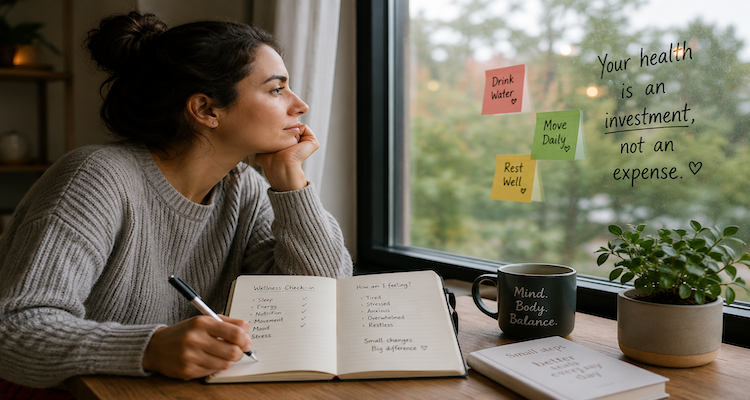
Many people measure their health by a simple question: Do I feel sick? If the answer is no, it’s easy to assume everything is on track. Yet that quiet confidence can sometimes become one of the biggest obstacles to better long-term health.
The word “fine” has become a catch-all response to everything from stress and fatigue to recurring aches and interrupted sleep. It often reflects a busy lifestyle more than a genuine assessment of physical or mental well-being. As work, family responsibilities, and constant digital connectivity normalize feeling slightly drained, subtle warning signs can fade into the background instead of prompting action.
This shift matters because many common health conditions develop gradually. Rather than arriving with dramatic symptoms, they often begin with changes that are easy to dismiss as part of everyday life. Feeling “fine” may not always mean feeling healthy it may simply mean becoming accustomed to a new normal.
When “Fine” Becomes the New Baseline
Human beings are remarkably adaptable. We adjust to changing routines, environments, and even discomfort without realizing it.
A person who gradually sleeps less each night may stop noticing constant tiredness. Someone under prolonged stress might accept headaches or digestive issues as ordinary. Minor shortness of breath, persistent stiffness, or declining energy can slowly become familiar enough that they no longer seem unusual.
This phenomenon doesn’t necessarily mean something serious is happening, but it highlights an important reality: our perception of health isn’t always an accurate reflection of our actual condition.
Unlike a broken bone or a sudden illness, many long-term health concerns evolve quietly. Blood pressure, blood sugar levels, cholesterol, hearing changes, vision problems, and even some mental health challenges can progress without obvious symptoms during their early stages.
Waiting until something feels “wrong” may mean waiting longer than necessary.
Why We Delay Acting
The tendency to postpone health decisions isn’t simply about neglect. It’s influenced by psychology, culture, and daily habits.
People often compare themselves with those around them. If coworkers complain about exhaustion, parents joke about never sleeping, or friends describe constant stress, these experiences begin to feel normal.
Modern lifestyles reinforce this mindset. Busy schedules encourage people to prioritize deadlines over doctor appointments. Smartphones and wearable technology may track activity, but they can also create the illusion that counting steps alone provides a complete picture of health.
There’s also an emotional element. Scheduling a checkup or discussing persistent symptoms can raise uncomfortable questions. For many, avoiding uncertainty feels easier than confronting it.
Ironically, the absence of obvious illness often becomes the reason people delay preventive care.
The Hidden Cost of Waiting
Preventive healthcare is built on a simple idea: identifying potential issues before they become larger problems.
Routine screenings, vaccinations, dental visits, eye examinations, and discussions with healthcare professionals are designed to catch changes early not because someone feels ill, but because they don’t.
When preventive care is postponed, opportunities for early intervention may also be delayed.
That doesn’t mean every symptom signals disease, nor does every health check uncover a serious issue. In many cases, reassurance is itself valuable. Knowing that your health markers are within normal ranges can reduce unnecessary worry while establishing a useful baseline for future comparisons.
The goal isn’t to search constantly for illness. It’s to avoid assuming that feeling “fine” automatically means nothing deserves attention.
Mental Health Often Hides Behind “I’m Fine”
The phrase “I’m fine” has become almost automatic in conversations about emotional well-being.
Many people continue working, socializing, and meeting responsibilities while quietly experiencing chronic stress, anxiety, burnout, or low mood. Because these changes often develop gradually, they may not feel dramatic enough to justify seeking support.
This gradual adjustment is especially common in demanding workplaces where long hours, constant notifications, and uninterrupted productivity are viewed as normal.
Mental health rarely follows a simple healthy-or-unhealthy pattern. Instead, emotional resilience can shift slowly over time, influenced by sleep quality, relationships, financial pressures, caregiving responsibilities, and everyday stress.
Recognizing these gradual changes early may allow people to make meaningful adjustments before reaching a crisis point.
Everyday Habits Can Mask Important Signals
Healthy choices are often discussed in terms of dramatic lifestyle transformations, but real life rarely works that way.
Someone may exercise regularly yet consistently sleep too little. Another person may eat nutritious meals while experiencing chronic stress. A busy professional might assume afternoon fatigue results solely from workload rather than considering hydration, nutrition, medication side effects, or another underlying factor.
Health isn’t determined by one habit alone.
Looking at patterns rather than isolated symptoms often provides a more realistic understanding of overall well-being.
This broader perspective is becoming increasingly important as wearable devices, health apps, and digital wellness tools encourage people to monitor daily metrics. While these technologies can be useful, they cannot replace professional medical evaluation or personal awareness of meaningful changes.
A Cultural Shift Toward Prevention
Healthcare conversations are gradually moving beyond treating illness toward maintaining wellness.
Employers increasingly promote wellness initiatives. Schools discuss mental health more openly. Fitness has expanded beyond appearance to include mobility, recovery, sleep, and stress management.
This cultural shift reflects a growing recognition that prevention often offers better outcomes than waiting for obvious symptoms.
The most valuable health decision may not be responding to illness it may be creating regular opportunities to notice change before it becomes disruptive.
That perspective also changes how people think about aging. Rather than viewing preventive care as something necessary only later in life, many now see it as an ongoing investment in future quality of life.
The Most Important Question Isn’t “Do I Feel Sick?”
A more useful question may be:
“Have I noticed any gradual changes that I’ve simply accepted?”
Perhaps climbing stairs feels slightly harder than last year. Sleep isn’t as refreshing. Concentration takes more effort. Energy fades earlier in the day. Mood feels flatter than it once did.
None of these observations automatically indicate a medical problem. They do, however, deserve thoughtful attention if they persist or interfere with daily life.
Listening to these subtle shifts can encourage conversations with qualified healthcare professionals rather than relying solely on self-assessment.
Why This Matters More Than Ever
Modern life rewards endurance. People celebrate pushing through fatigue, ignoring discomfort, and staying productive despite mounting stress.
But resilience shouldn’t mean overlooking persistent changes in health.
Feeling “fine” can sometimes represent genuine wellness. At other times, it reflects adaptation—a quiet adjustment to symptoms, stress, or habits that have gradually become familiar.
The distinction matters because the earlier people recognize meaningful changes, the more choices they often have.
Good health isn’t measured only by the absence of illness. It’s also shaped by awareness, prevention, and the willingness to question whether “fine” truly reflects how we’re doing.
By replacing automatic reassurance with occasional reflection, individuals may make better-informed decisions that support their health not only today but for years to come.
This article is provided for general informational and educational purposes. It is not medical advice, diagnosis, or a substitute for consultation with a qualified healthcare professional. Health evidence can change, and individual circumstances vary.