









Why Silent Weekends Are Becoming a Modern Luxury

The most sought-after weekend activity for a growing number of people is not travel, entertainment, shopping, or socializing. It is silence.
Across cities, suburbs, and increasingly connected communities, more individuals are intentionally spending parts of their weekends with fewer notifications, fewer plans, fewer conversations, and less digital input. What might once have seemed boring or unproductive is being redefined as a valuable form of recovery.
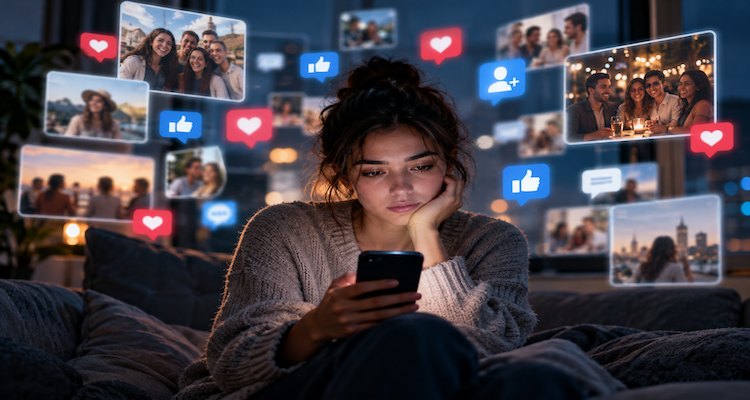
This shift is not simply about relaxation. It reflects a deeper response to the constant stimulation that now shapes everyday life. From work messages and social media feeds to streaming platforms and endless digital content, many people are discovering that their attention has become one of their most exhausted resources.
The rise of the “silent weekend” reveals something important about modern culture: in a world designed to capture attention, the ability to disconnect is becoming increasingly rare and increasingly attractive.
The Growing Fatigue of Constant Stimulation
Most people no longer experience true downtime.
Even moments that once involved waiting, reflection, or boredom are often filled with screens. A spare minute in a line becomes an opportunity to check notifications. A quiet evening turns into hours of scrolling. Commutes, meals, and breaks are frequently accompanied by podcasts, videos, music, or online conversations.
None of these activities are inherently harmful. The challenge emerges when stimulation becomes continuous.
Many people report feeling mentally tired despite spending large portions of their day sitting down. The exhaustion is often less physical and more cognitive. The brain is constantly processing information, making decisions, filtering content, and shifting attention between competing demands.
Silent weekends represent an attempt to interrupt that cycle.
Rather than seeking more experiences, participants seek fewer inputs. The goal is not necessarily complete isolation but a reduction in the volume of information competing for attention.
A Different Definition of Rest
Traditional ideas of rest often focused on stopping work. Today, many people are realizing that stopping work does not automatically mean resting the mind.
Someone can spend an entire Saturday away from professional responsibilities while still consuming hundreds of pieces of content, responding to messages, monitoring social platforms, and jumping between digital experiences.
Silent weekends challenge the assumption that entertainment and stimulation are the same as recovery.
For some, this means leaving phones in another room for several hours. For others, it involves long walks without headphones, reading physical books, gardening, spending time in nature, or simply sitting without a specific goal.
The common thread is intentional reduction rather than replacement.
Instead of filling every moment, people are creating space for mental quiet.
Why the Trend Is Gaining Momentum
Several cultural shifts are helping drive interest in low-stimulation weekends.
Remote and hybrid work arrangements have blurred the boundaries between professional and personal time. Many workers remain connected to colleagues and responsibilities long after traditional office hours end.
At the same time, digital platforms compete aggressively for attention. Algorithms are designed to keep users engaged, creating an environment where content is always available and often difficult to ignore.
As awareness of these dynamics grows, some people are becoming more deliberate about protecting their time and focus.
The appeal of silent weekends also reflects changing attitudes toward productivity. For years, many individuals approached weekends as opportunities to maximize experiences, complete tasks, and stay busy. Increasingly, however, there is recognition that constant activity can become another form of pressure.
Choosing a quieter weekend can feel less like missing out and more like reclaiming control.
The Hidden Shift From Consumption to Presence
One of the most interesting aspects of this trend is that it changes how people measure a successful weekend.
For decades, cultural signals often rewarded visible experiences. Vacations, events, purchases, and social activities created stories that could be shared and documented.
Silent weekends operate differently.
Their value is often internal rather than external. There may be no photographs, status updates, or achievements to display. Yet many participants describe feeling more refreshed, focused, and emotionally balanced afterward.
This points to a broader cultural transition.
In many areas of life, consumers have been encouraged to seek more content, more experiences, more choices, more connectivity. Silent weekends suggest that some people are beginning to experiment with the opposite approach.
The question is no longer, “What else can I add?” but “What can I remove?”
That subtle shift may be one of the most significant lifestyle changes emerging from the digital age.
Businesses Are Paying Attention
The demand for lower-stimulation experiences is beginning to influence industries beyond wellness.
Hospitality companies increasingly market quiet retreats, nature-focused accommodations, and technology-free experiences. Some travel providers highlight opportunities to disconnect rather than opportunities to stay connected.
Publishers continue to see interest in print books, journals, and other slower forms of media consumption. Even productivity experts are discussing attention management and digital boundaries as essential skills rather than optional habits.
This does not mean technology is being rejected.
Instead, many consumers appear to be seeking a healthier relationship with it. The goal is often selective engagement rather than complete withdrawal.
For businesses, understanding this distinction is important. Products and services that respect attention may become increasingly attractive in a marketplace where attention itself feels scarce.
Who Is Most Drawn to Silent Weekends?
The appeal spans multiple age groups, but the motivations vary.
Professionals facing high information workloads may use silent weekends to reduce mental fatigue.
Students navigating continuous digital engagement may seek periods of focus and reflection.
Parents often view quieter weekends as opportunities to create more meaningful family interactions without constant screen interruptions.
Even highly connected technology enthusiasts are participating. Many are not anti-technology; they simply recognize the value of stepping away periodically.
The trend highlights a growing awareness that attention is not an unlimited resource.
Just as people manage finances, nutrition, or physical health, they are beginning to think more carefully about how they manage mental bandwidth.
What Happens Next?
Silent weekends are unlikely to become a universal lifestyle movement. Many people enjoy active, social, and highly connected weekends—and there is nothing inherently wrong with that.
However, the broader ideas behind the trend may continue to expand.
As digital tools become more integrated into everyday life, people may place greater value on moments that feel intentionally disconnected. Quiet could increasingly be viewed not as the absence of activity but as a meaningful experience in its own right.
The future may involve a new balance rather than a complete retreat from technology. Instead of choosing between constant connectivity and total disconnection, people may become more intentional about when they engage and when they step back.
The rise of silent weekends suggests that the next major lifestyle aspiration may not be doing more. It may be learning how to experience less and discovering that less can sometimes feel like more.
This content is published for informational or entertainment purposes. Facts, opinions, or references may evolve over time, and readers are encouraged to verify details from reliable sources.