








How Renewable Energy Projects Are Becoming Unexpected Allies for Wildlife Recovery
A wind farm and a wildlife sanctuary are rarely imagined as part of the same story. One represents human efforts to reshape energy systems, while the other is associated with protecting nature from human impact. Yet in some regions, these two goals are beginning to intersect in surprising ways.
As renewable energy expands across landscapes once dominated by fossil fuel infrastructure, conservationists, planners, and researchers are observing an unexpected pattern. Certain renewable energy projects, when carefully designed and managed, are creating conditions that can support habitat restoration, reduce environmental pressure, and contribute to wildlife recovery. The relationship is not always straightforward, and it certainly is not universal, but it is changing how many people think about the connection between clean energy and biodiversity.
The conversation around renewable energy has traditionally focused on reducing carbon emissions. Increasingly, however, a broader question is emerging: can the transition to cleaner energy also help ecosystems recover?
Beyond Carbon Reduction
The primary purpose of renewable energy projects is to generate electricity with lower greenhouse gas emissions. Solar farms, wind installations, and other renewable technologies have become central to national and corporate sustainability strategies.
Yet their environmental influence extends beyond climate goals. Climate change itself is one of the greatest long-term threats to wildlife. Rising temperatures, shifting rainfall patterns, habitat disruption, and extreme weather events affect species across ecosystems. By helping reduce dependence on fossil fuels, renewable energy can indirectly support biodiversity by addressing one of the major drivers of ecological change.
What is attracting growing attention, however, is the direct impact some renewable projects can have on local landscapes.
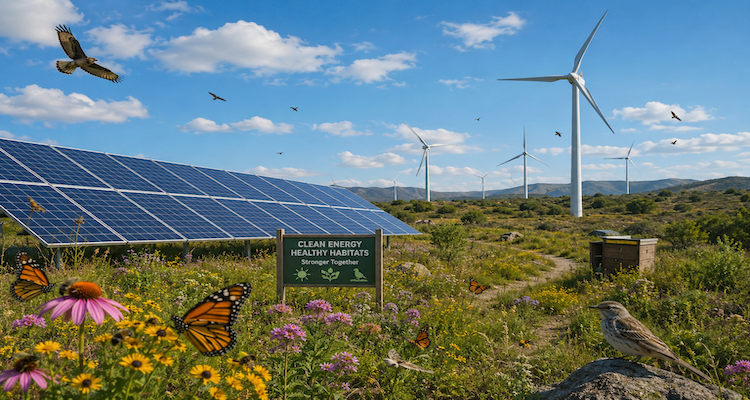
Large-scale solar installations, for example, often require significant land areas. While this has raised legitimate concerns about land use, some projects have adopted land management practices that encourage native vegetation growth beneath and around solar panels. In certain locations, these spaces have become refuges for pollinators such as bees and butterflies, while also supporting birds and small mammals.
The result is a shift in thinking. Instead of viewing energy infrastructure and wildlife habitat as mutually exclusive, some developers are exploring ways to make them complementary.
The Rise of Multi-Purpose Landscapes
One of the most significant trends behind this change is the growing concept of multi-purpose land use.
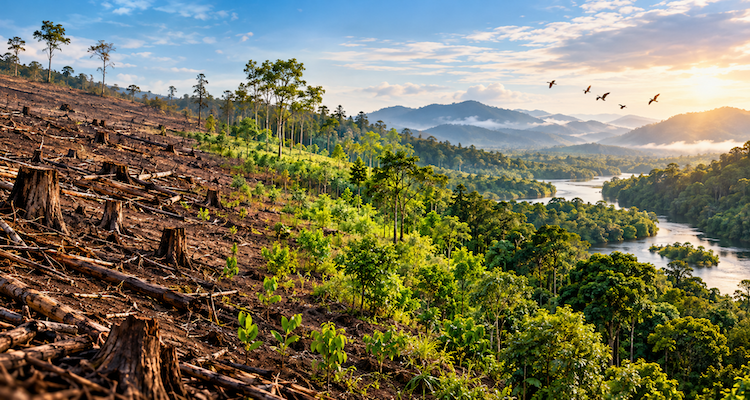
Historically, industrial infrastructure often displaced natural habitats with little consideration for ecological value. Today’s renewable projects face increasing expectations from regulators, communities, and investors to demonstrate broader environmental responsibility.
This has encouraged the development of renewable sites that serve multiple functions simultaneously. A solar farm may generate electricity while supporting native grasslands. A wind energy site may preserve large areas of undeveloped land that remain suitable for wildlife movement. In agricultural regions, renewable projects are sometimes integrated with conservation practices that improve soil health and biodiversity.
The idea is not that energy infrastructure becomes a nature reserve. Rather, it reflects a growing recognition that land can often be managed to deliver multiple environmental benefits instead of serving a single purpose.
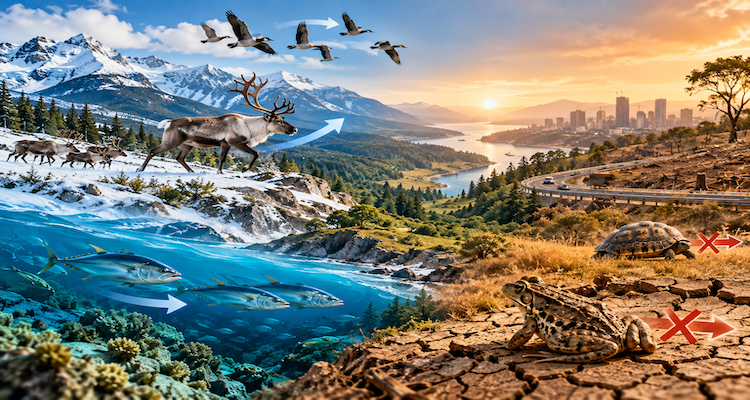
For wildlife, these spaces can become valuable buffers in landscapes increasingly fragmented by urban expansion, transportation networks, and intensive development.
Why Wildlife Recovery Is Gaining Attention
Public interest in wildlife recovery has grown alongside concerns about biodiversity loss. Many people now recognize that environmental challenges extend beyond climate change alone.
Species declines, habitat fragmentation, and ecosystem degradation have become visible issues in many parts of the world. As a result, environmental discussions are shifting from simply minimizing harm to actively restoring ecological health.
This change is influencing how renewable projects are evaluated. Communities and environmental groups increasingly ask not only whether a project reduces emissions but also whether it contributes positively to local ecosystems.
The expectation is raising the standard for what sustainable development means. Clean energy is no longer judged solely by the electricity it produces. It is increasingly assessed by how well it fits within the broader environmental landscape.
The Challenges Behind the Opportunity
The relationship between renewable energy and wildlife recovery should not be romanticized. Renewable infrastructure can create environmental challenges if poorly planned.
Wind turbines have raised concerns about bird and bat collisions. Large solar developments can alter habitats if placed in ecologically sensitive areas. Construction activities can disrupt wildlife movement and breeding patterns.
These concerns highlight an important reality: renewable energy is not automatically beneficial for biodiversity.
Project location, design, operation, and long-term management matter enormously. A poorly sited renewable installation may damage ecosystems, while a carefully planned one may support habitat restoration.
This distinction is becoming increasingly important as renewable deployment accelerates globally. The most successful projects are often those developed through collaboration among engineers, environmental experts, local communities, and conservation organizations.
A New Model for Environmental Progress
One of the most interesting developments is the emergence of a more integrated approach to environmental decision-making.
For decades, climate action and biodiversity conservation were often treated as separate priorities. Policymakers, businesses, and environmental advocates frequently approached them through different frameworks.
Today, those boundaries are beginning to blur.
The renewable energy sector is increasingly being asked to contribute to broader environmental outcomes, including habitat enhancement, ecological resilience, and species protection. At the same time, conservation strategies are recognizing that long-term wildlife recovery is difficult without addressing climate change.
This convergence represents a deeper shift in environmental thinking. Instead of solving one problem at a time, there is growing interest in solutions capable of addressing multiple challenges simultaneously.
The Hidden Insight Behind the Trend
Perhaps the most important lesson from this emerging relationship is that sustainability is becoming more interconnected.
Many people still view environmental progress through isolated categories: clean energy, wildlife protection, land conservation, or climate action. In reality, these issues are increasingly linked.
The most effective environmental projects of the future may not be those that optimize a single objective. They may be the ones that create positive outcomes across several systems at once.
Renewable energy projects that support habitat restoration illustrate this broader principle. They show how infrastructure can evolve from being merely less harmful to becoming actively beneficial under the right conditions.
That shift reflects a larger transformation occurring across industries. Businesses, governments, and communities are increasingly looking for solutions that generate multiple forms of value rather than addressing challenges in isolation.
What Could Happen Next
As renewable energy capacity continues to expand, pressure will grow to ensure that new projects deliver benefits beyond carbon reduction.
Future developments may place greater emphasis on biodiversity-friendly design, habitat restoration plans, and long-term ecological monitoring. Advances in planning technologies could help developers identify locations that minimize ecological disruption while maximizing environmental gains.
The outcome is unlikely to be a perfect balance between energy production and conservation. Trade-offs will remain inevitable. However, the growing effort to align renewable energy goals with wildlife recovery suggests a more sophisticated approach to sustainability than existed just a decade ago.
What once appeared to be competing priorities are increasingly being viewed as part of the same challenge. The transition to cleaner energy may ultimately be most successful when it helps both the climate and the ecosystems that depend on it.
This content is published for informational or entertainment purposes. Facts, opinions, or references may evolve over time, and readers are encouraged to verify details from reliable sources.