







Why Wildlife Is Quietly Moving Into Industrial Zones
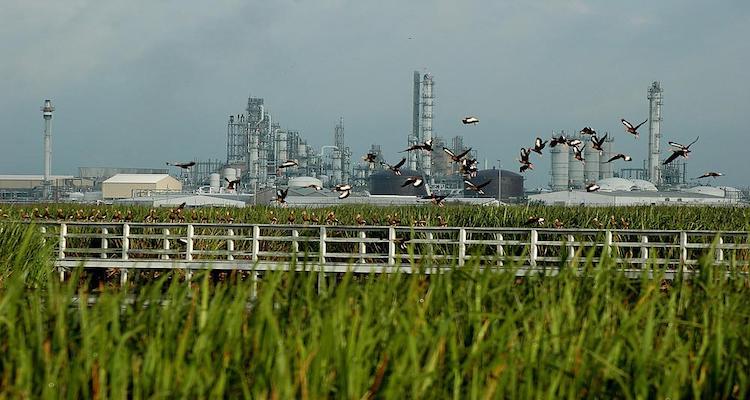
The image many people have of wildlife is tied to forests, wetlands, grasslands, and other natural landscapes. Industrial zones, by contrast, are often seen as places dominated by concrete, machinery, warehouses, and heavy human activity. Yet an unexpected shift is unfolding in many parts of the world: wildlife is increasingly appearing in and around industrial areas.
From birds nesting on factory structures to foxes roaming logistics parks and pollinators thriving on unused industrial land, animals are finding opportunities in places that were never designed for them. What may seem like isolated sightings are part of a broader pattern that reveals how wildlife is adapting to a rapidly changing world and how human development is reshaping ecosystems in ways that are not always obvious.
A New Kind of Habitat Is Emerging
Industrial zones are rarely viewed as ecological spaces. However, many contain features that can unintentionally support wildlife.
Large facilities often include undeveloped buffers, stormwater ponds, drainage corridors, patches of vegetation, and restricted-access land that experiences relatively little human disturbance outside working hours. In some cases, these areas provide shelter, nesting sites, or feeding opportunities that are becoming harder to find elsewhere.
For certain species, industrial landscapes can offer surprisingly stable conditions. Warehouses and factories may create warm microclimates, while artificial water bodies can attract birds, amphibians, and insects. Abandoned or underutilized industrial properties may gradually transform into pockets of vegetation that support a range of wildlife.
This does not mean industrial zones replace natural habitats. Rather, they are becoming part of a growing network of human-modified environments that some species are learning to use.
Why Wildlife Is Looking Beyond Traditional Habitats
One of the main drivers behind this shift is habitat loss and fragmentation.
As cities expand and infrastructure projects spread across landscapes, many species face shrinking natural territories. Forests are divided by roads, wetlands are altered for development, and open spaces become increasingly scarce.
Animals often respond by adapting rather than disappearing immediately. Some adjust their behavior, alter feeding patterns, or expand into new environments that offer the resources they need to survive.
Industrial areas can become attractive because they sit at the intersection of developed and undeveloped land. Many facilities are located near transportation corridors, waterways, agricultural regions, or urban edges, creating unexpected ecological connections.
Climate pressures may also play a role. As weather patterns change and environmental conditions become less predictable, species may seek alternative habitats that provide shelter, food, or more favorable temperatures.
The Species Most Likely to Adapt
Not all wildlife benefits equally from industrial environments.
Highly specialized species often struggle when natural habitats are disturbed. Animals that depend on specific plants, nesting sites, or ecological relationships may find industrial landscapes unsuitable.
The species most commonly observed in these areas tend to be adaptable generalists. Birds, small mammals, foxes, coyotes, bats, reptiles, and various insect species often demonstrate remarkable flexibility in how they use space.
Pollinators provide an especially interesting example. In some industrial regions, carefully managed green spaces and wildflower areas can support bees and butterflies, particularly where surrounding agricultural land offers limited biodiversity.
Certain bird species have also adapted to nesting on industrial structures that mimic cliffs, ledges, or other natural features. These behaviors highlight a broader trend: wildlife is not simply surviving human development but, in some cases, learning to exploit it.
What This Trend Reveals About Modern Ecosystems
The movement of wildlife into industrial zones reflects a larger ecological reality. The boundary between “natural” and “human-made” environments is becoming increasingly blurred.
For decades, conservation efforts often focused on protecting wilderness areas. While these remain essential, many scientists and environmental planners now recognize that biodiversity increasingly depends on how wildlife interacts with working landscapes, cities, transportation networks, and industrial infrastructure.
This represents an important shift in thinking.
The future of conservation may depend not only on preserving untouched habitats but also on making developed environments more compatible with nature. Industrial zones occupy vast areas globally, and even small improvements in ecological design can create meaningful benefits when multiplied across regions.
The question is no longer whether wildlife will enter human-dominated spaces. In many places, that process is already underway.
The Business Case for Paying Attention
Wildlife presence in industrial areas is not just an environmental story. It has practical implications for businesses, facility managers, and developers.
Companies increasingly face expectations related to sustainability, environmental responsibility, and biodiversity stewardship. Understanding how wildlife uses industrial properties can help organizations reduce conflicts, comply with regulations, and improve environmental performance.
Some businesses have begun integrating habitat-friendly landscaping, pollinator corridors, green roofs, and biodiversity monitoring into site management strategies. These efforts can support broader sustainability goals while helping create healthier environments for both wildlife and people.
At the same time, unmanaged wildlife interactions can create operational challenges. Birds nesting in infrastructure, animals accessing facilities, or ecological impacts associated with development projects may require careful planning and mitigation.
As biodiversity becomes a growing focus in environmental policy and corporate sustainability initiatives, industrial zones are likely to receive increased attention as part of the conservation conversation.
The Hidden Insight Behind the Trend
Perhaps the most important insight is that wildlife movement into industrial zones is not necessarily a sign of ecological success or failure. It can be both.
On one hand, it demonstrates the extraordinary adaptability of many species. Wildlife often proves far more resilient and resourceful than people expect.
On the other hand, adaptation can mask deeper environmental pressures. When animals appear in factories, logistics centers, or industrial parks, it may reflect their ability to cope with changing conditions but it may also indicate that traditional habitats have become less available or less suitable.
This distinction matters because visible wildlife presence does not automatically mean ecosystems are thriving. Understanding why species are moving and how they are using these spaces is essential for making informed conservation decisions.
What Could Happen Next
The relationship between industry and wildlife is likely to become more important in the coming decades.
Urban expansion, infrastructure development, renewable energy projects, and changing land-use patterns will continue reshaping landscapes. As this happens, industrial zones may increasingly function as transitional habitats, ecological corridors, or supplementary refuges for certain species.
Future industrial developments may be designed with biodiversity in mind from the outset. Features such as native vegetation, habitat corridors, stormwater ecosystems, and wildlife-friendly landscaping could become standard elements rather than afterthoughts.
The most successful approaches will likely recognize that economic activity and ecological value do not always have to compete. In some cases, carefully designed industrial environments can support both.
Wildlife’s quiet movement into industrial zones serves as a reminder that nature is constantly adapting to human change. The challenge now is deciding whether those adaptations will happen by accident or whether people will intentionally shape industrial landscapes that allow both industry and biodiversity to coexist more successfully.
This content is published for informational or entertainment purposes. Facts, opinions, or references may evolve over time, and readers are encouraged to verify details from reliable sources.