










Why Perfectly Clean Spaces Can Feel Strangely Uncomfortable
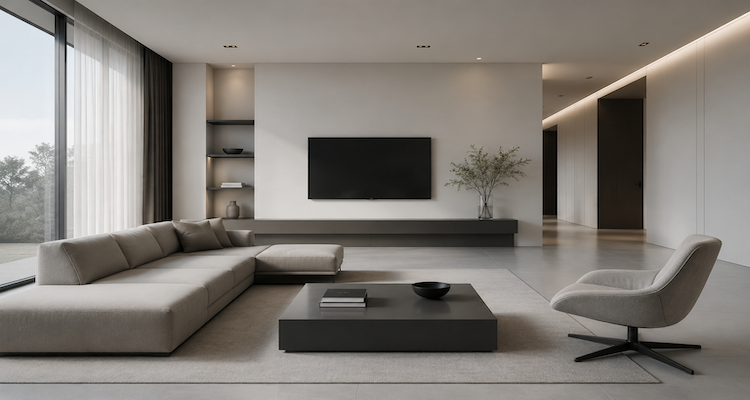
A spotless room is often seen as a sign of order, success, and control. Yet many people have experienced a curious feeling when walking into a space that appears almost too clean. Whether it is a pristine hotel lobby, a meticulously organized office, or a home where every object seems perfectly placed, the reaction is sometimes unexpected: discomfort rather than relief.
This response may seem irrational at first. After all, cleanliness is generally associated with safety, health, and well-being. Yet the growing popularity of conversations around “lived-in” interiors, cozy environments, and imperfect design suggests that people are increasingly recognizing a subtle psychological truth. Humans do not merely seek cleanliness. They also seek signs of life, familiarity, and human presence.
The tension between order and comfort reveals something deeper about how people relate to the spaces around them.
The Difference Between Clean and Comfortable
Cleanliness serves an important purpose. It reduces health risks, improves focus, and creates environments that feel manageable. Few people would choose a cluttered, unsanitary space over a clean one.
The discomfort emerges when cleanliness crosses into sterility.
A perfectly arranged room can sometimes feel less like a place for living and more like a display. The absence of personal traces a book left on a table, a slightly worn chair, a handwritten note—can make a space feel detached from everyday human experience.
Many hospitality brands, retailers, and workplace designers understand this distinction. Increasingly, they aim for environments that feel polished but not clinical. The goal is not perfection but balance.
People often describe these environments as warm, inviting, or authentic. What they are responding to is the presence of subtle imperfections that signal human activity.
Why the Human Brain Notices Imperfection
Human beings evolved in environments that were naturally irregular. Forests, landscapes, villages, and family homes rarely displayed perfect symmetry or flawless order.
As a result, many people unconsciously associate minor imperfections with normal life.
When a space appears unusually controlled, the brain may interpret it as unfamiliar. This does not necessarily create fear, but it can generate a mild sense of unease. Something feels missing, even if it is difficult to identify exactly what.
This reaction is similar to what designers and psychologists sometimes observe in highly artificial environments. Spaces that eliminate every sign of randomness can appear visually impressive while simultaneously feeling emotionally distant.
The issue is not cleanliness itself. It is the absence of cues that suggest human presence and activity.
The Rise of the “Lived-In” Aesthetic
An interesting cultural shift has emerged in recent years. Many homeowners, designers, and content creators are moving away from interiors that resemble showrooms.
Instead, there is growing appreciation for spaces that appear lived in.
Bookshelves filled with well-used books, visible kitchen tools, textured materials, and personal collections are often celebrated because they tell a story. They communicate that people actually inhabit the space rather than simply maintain it.
This trend reflects a broader desire for authenticity.
As more of daily life moves through digital platforms, carefully curated social media feeds, and polished online identities, people often crave environments that feel real rather than perfect. The appeal of imperfection may partly be a response to the pressure of constant optimization.
In this sense, interior design has become connected to larger cultural conversations about authenticity, well-being, and identity.
What Workplaces Have Learned
The relationship between cleanliness and comfort has also influenced workplace design.
Many organizations once embraced highly standardized office environments characterized by uniform desks, minimal decoration, and strict visual order. While these spaces projected professionalism, they sometimes lacked warmth.
Modern workplace design increasingly recognizes that employees benefit from environments that feel human-centered.
Flexible seating areas, personalized workstations, natural materials, and collaborative spaces are becoming more common. These elements introduce variety and personality without sacrificing cleanliness.
The lesson is straightforward: people perform best in environments that support both order and belonging.
A space can be highly organized while still allowing visible signs of human activity.
The Hidden Connection to Trust
One of the most interesting insights behind this phenomenon involves trust.
When people encounter environments that appear excessively polished, they may unconsciously question what they are seeing. The perfection can feel staged.
This effect appears in multiple areas of life. Consumers often respond more positively to brands that reveal behind-the-scenes processes rather than presenting only flawless marketing images. Audiences tend to trust creators who acknowledge mistakes rather than projecting constant perfection.
Physical spaces operate in a similar way.
Minor imperfections can signal honesty. They suggest that real people occupy the environment and that everyday life happens there.
Paradoxically, a space that appears slightly imperfect may sometimes feel more trustworthy than one that appears flawless.
How Hospitality and Retail Are Responding
Hotels, cafes, and retailers have increasingly embraced this understanding.
Many contemporary hospitality spaces intentionally incorporate natural materials, handcrafted elements, and unique design features. These choices create visual variation and help prevent environments from feeling overly manufactured.
Independent coffee shops often provide a useful example. Customers frequently describe them as comfortable and welcoming not because they are less clean, but because they contain visible signs of use and personality.
A worn wooden counter, locally created artwork, or mismatched furniture can contribute to a sense of character.
Large brands have also recognized the value of creating spaces that feel approachable rather than intimidatingly perfect.
The goal is to reduce psychological distance between the environment and the people using it.
The Emotional Cost of Perfection
The discomfort associated with perfectly clean spaces may also reflect broader social pressures.
Many people already feel pressure to optimize their appearance, productivity, careers, and homes. Environments that project flawless order can sometimes reinforce those expectations.
Instead of feeling inspired, some individuals may feel judged.
A perfectly maintained home featured in a magazine might be aesthetically impressive, but it can also remind viewers of standards that seem impossible to maintain in daily life.
By contrast, spaces that reveal signs of ordinary living often feel more achievable and relatable.
This may explain why comfort is increasingly becoming a design priority alongside beauty.
What This Trend Reveals About Modern Life
The growing conversation around perfectly clean spaces highlights a broader shift in cultural values.
For decades, efficiency, standardization, and optimization shaped many aspects of modern environments. Today, people are placing greater emphasis on authenticity, well-being, and emotional connection.
The most successful spaces often balance both needs.
They provide cleanliness and organization without erasing evidence of human life. They feel cared for rather than controlled. They create structure without sacrificing warmth.
Ultimately, the discomfort some people experience in perfectly clean spaces is not a rejection of cleanliness. It is a reminder that humans are emotional creatures as much as practical ones.
We do not simply want spaces that function well. We want spaces that feel alive.
And sometimes, a few signs of imperfection are exactly what make a place feel like home.
This content is published for informational or entertainment purposes. Facts, opinions, or references may evolve over time, and readers are encouraged to verify details from reliable sources.