









Why Your Hobbies Are Becoming Part of Who You Are
A curious shift is unfolding in how people talk about themselves. Not long ago, hobbies were largely viewed as ways to relax after work, fill weekends, or escape daily responsibilities. Today, they often serve a different purpose. People are increasingly introducing themselves through what they do outside of work: runners, gamers, climbers, readers, knitters, photographers, collectors, gardeners, and creators.
The change may seem subtle, but it reflects a deeper cultural transformation. Hobbies are no longer just activities. For many people, they have become identity markers, signals that communicate values, lifestyle choices, social belonging, and even personal aspirations.
This evolution says something important about how people are searching for meaning, connection, and self-definition in an increasingly fragmented world.
The Expanding Role of Hobbies
For much of modern history, identity was often tied to a handful of stable categories: occupation, family role, religion, nationality, or community. A person’s profession alone could reveal a great deal about how they saw themselves and how others perceived them.
That landscape has changed.
Work remains important, but many people no longer want their careers to define them entirely. Job changes have become more common, career paths less predictable, and professional identities more fluid. As a result, people often look elsewhere to answer a simple but powerful question: Who am I?
Hobbies provide an increasingly attractive answer.
Unlike job titles, hobbies are usually chosen freely. They reflect personal interests rather than economic necessity. Because of this, they often feel more authentic and representative of an individual’s true self.
Saying “I’m a cyclist” or “I’m a ceramic artist” can sometimes feel more personal than stating a professional role. One describes what someone does to earn a living; the other reveals how they choose to spend their time, energy, and attention.
The Rise of Identity-Based Communities
Digital platforms have accelerated this transformation.
Social media networks, online forums, video-sharing platforms, and specialized communities make it easier than ever for people to gather around shared interests. Whether someone enjoys birdwatching, vintage fashion, woodworking, chess, or long-distance running, there is likely a thriving online community built around that passion.
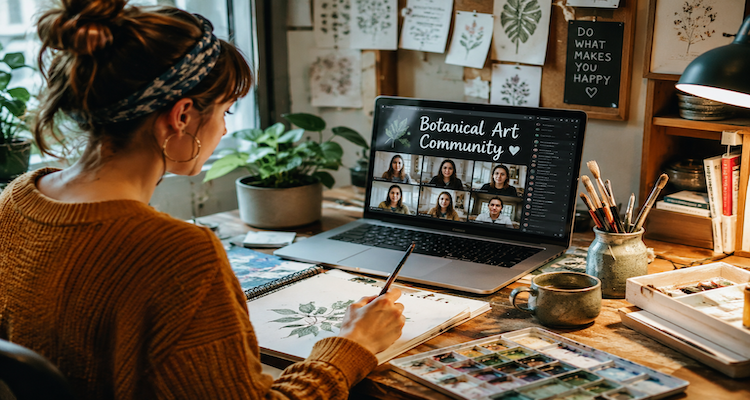
These communities do more than exchange information. They create belonging.
Participation in a hobby now often includes membership in a culture. Shared language, traditions, recommendations, achievements, and rituals help transform a simple activity into a social identity.
A runner is not merely someone who runs. They may follow races, discuss training strategies, share progress updates, wear certain brands, and connect with fellow enthusiasts. The hobby becomes part of a broader ecosystem that reinforces identity.
As digital communities grow stronger, hobbies increasingly function as social passports that connect people across geographic and cultural boundaries.
Why Identity Matters More Than Ever
One of the less discussed aspects of this trend is the growing complexity of modern identity.
Many traditional institutions that once provided a strong sense of belonging have weakened for some people. Geographic mobility, remote work, changing social structures, and digital lifestyles have altered how communities form and persist.
In response, people often seek alternative sources of meaning and connection.
Hobbies help fill that space.
They provide structure, goals, mastery, and social interaction. More importantly, they offer narratives people can tell about themselves.
A person who practices photography is not simply taking pictures. They may view themselves as curious, observant, creative, or adventurous. Someone dedicated to gardening may see their hobby as an expression of patience, sustainability, or self-sufficiency.
The activity becomes symbolic. It represents values that extend beyond the hobby itself.
The Consumer Economy Has Noticed
Businesses have been quick to recognize the growing power of hobby-driven identities.
Many industries no longer market products solely based on function. Instead, they market lifestyles and communities.
Outdoor brands often sell a vision of exploration. Fitness companies promote personal transformation. Gaming platforms foster social identity alongside entertainment. Crafting, cooking, fitness, and creative industries increasingly focus on belonging as much as participation.
Consumers are not simply purchasing equipment. They are often investing in identities they wish to strengthen or express.
This shift helps explain why hobby-related spending has become a significant area of consumer engagement. The emotional value attached to hobbies frequently extends beyond practical utility.
When a hobby becomes part of personal identity, investing in it feels less like consumption and more like self-expression.
The Hidden Insight: Hobbies Are Becoming Modern Reputation Signals
Perhaps the most interesting aspect of this trend is how hobbies now function as reputation signals.
Historically, status was often communicated through profession, wealth, education, or social position. While those factors still matter, hobbies increasingly provide additional signals about personality and values.
Someone known for long-distance running may be perceived as disciplined. A person dedicated to learning languages may be viewed as intellectually curious. A committed volunteer gardener may signal environmental awareness and community engagement.
These perceptions are not always accurate, but they influence social interactions.
As people spend more time online and less time in traditional community settings, hobbies offer visible and relatable ways to communicate identity quickly.
In many cases, hobbies have become a form of personal branding, not necessarily in a commercial sense, but in how individuals present themselves to the world.
The Benefits and Risks of Hobby-Based Identity
There are clear advantages to this cultural shift.
When people develop meaningful hobbies, they often gain skills, confidence, friendships, and a sense of purpose. Hobbies can support mental well-being, encourage lifelong learning, and create opportunities for genuine connection.
However, there can also be downsides.
When identity becomes heavily tied to a hobby, setbacks within that activity may feel more personal. Injuries can affect athletes. Creative burnout can impact artists. Changes in interest can sometimes create uncertainty about self-definition.
There is also a growing pressure to turn hobbies into achievements, side businesses, or public content. Activities that once existed purely for enjoyment may become performance-oriented when shared online.
The challenge is maintaining a balance between self-expression and self-worth.
A hobby can enrich identity without entirely defining it.
What This Trend Reveals About the Future
The growing importance of hobbies suggests that people are actively searching for more personalized forms of identity.
Rather than accepting predefined labels, many individuals are constructing identities through interests, skills, communities, and experiences they choose for themselves.
This may represent one of the most significant cultural shifts of the digital age.
As work becomes more flexible, communities become more decentralized, and personal expression becomes increasingly visible online, hobbies are likely to play an even larger role in how people understand themselves and connect with others.
What once occupied spare time is becoming something much bigger.
For many people, hobbies are no longer what they do after life happens. They are becoming part of the story people tell about who they are.
This content is published for informational or entertainment purposes. Facts, opinions, or references may evolve over time, and readers are encouraged to verify details from reliable sources.
Related News
- Why Communities Are Rediscovering Their Forgotten Local Legends
- When Language Becomes Invisible: How Translation Technology Is Reshaping Cultural Identity
- When Convenience Replaces Effort: The Hidden Cultural Costs of a Frictionless World
- Why Shared Experiences Are Replacing Shared Beliefs as the New Social Glue