










Why Food Origins Are Becoming a Bigger Factor in Consumer Choices
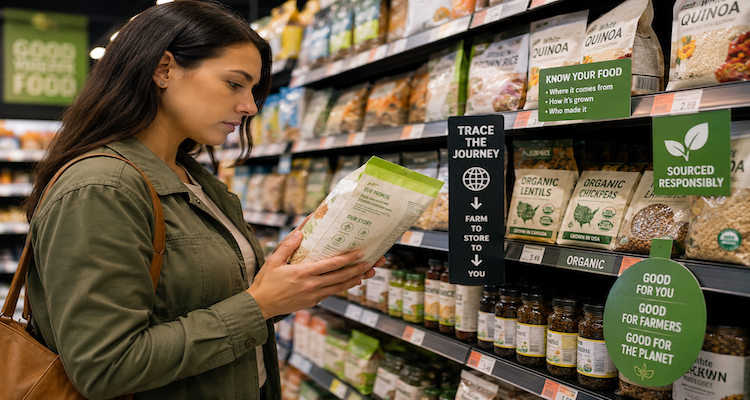
The simple question “Where did this food come from?” is carrying far more weight than it once did.
For decades, many shoppers focused primarily on price, convenience, and brand familiarity. Today, a growing number of consumers are looking beyond the packaging and paying closer attention to the journey food takes before it reaches their plate. Whether buying coffee, seafood, vegetables, meat, chocolate, or packaged snacks, people increasingly want to understand where products originate, how they were produced, and who was involved in bringing them to market.
This shift is not merely a passing trend. It reflects broader changes in consumer values, technological transparency, environmental awareness, and concerns about food quality. As food supply chains become more global and complex, consumers are seeking greater clarity about what they eat and how it fits into a larger system.
The Growing Desire for Transparency
Trust has become one of the most valuable ingredients in the food industry.
Many consumers no longer view food simply as a product. They see it as a reflection of health choices, environmental impact, and ethical considerations. When shoppers cannot easily understand where food comes from, uncertainty can influence purchasing decisions.
Food recalls, contamination incidents, and debates over production methods have encouraged people to ask more questions. Instead of relying solely on marketing claims, consumers increasingly want evidence of sourcing practices and production standards.
Labels that identify a product’s country of origin, farming region, production method, or certification often provide reassurance. Even when such information does not directly affect taste or quality, it can influence perceptions of trustworthiness and accountability.
Technology Has Made Food Origins More Visible
One reason interest in food origins has intensified is that information is now easier to access.
Consumers can scan QR codes, visit company websites, watch farm videos, and learn about production processes within seconds. Brands that once shared limited information can now tell detailed stories about sourcing, partnerships, and sustainability initiatives.
This increased visibility has changed expectations.
A decade ago, most shoppers had little opportunity to investigate where ingredients came from. Today, transparency is often viewed as a competitive advantage. Companies that openly discuss their supply chains can build stronger relationships with customers, while those that remain vague may face greater scrutiny.
The result is a marketplace where information itself has become part of the product experience.
Food Is Becoming Part of Personal Identity
Consumer choices increasingly reflect personal values.
Some shoppers prioritize local agriculture because they want to support regional economies. Others seek products connected to sustainable farming practices or responsible fishing methods. Many consumers are interested in animal welfare, fair labor conditions, or reduced environmental impact.
Food purchases can therefore become expressions of identity.
Choosing locally grown produce, fair-trade coffee, or region-specific specialty foods often communicates more than taste preferences. It signals alignment with broader beliefs about community, sustainability, and responsible consumption.
This cultural shift helps explain why food origins are attracting attention even among consumers who may not have considered the topic important in the past.
The Rise of Local and Regional Food Narratives
The popularity of farmers’ markets, regional food brands, and direct-to-consumer food businesses illustrates a growing appreciation for local connections.
Consumers often associate local sourcing with freshness, accountability, and community support. While local products are not automatically superior to imported alternatives, the perceived connection between producer and consumer can create a stronger sense of trust.
Regional food identities are also gaining visibility. Products associated with specific places whether cheeses, wines, spices, coffees, or agricultural specialties often carry stories that add meaning beyond the product itself.
These narratives transform food from a commodity into an experience linked to geography, tradition, and craftsmanship.
Environmental Concerns Are Influencing Purchasing Decisions
Climate discussions have expanded consumer awareness of how food systems affect the environment.
Many shoppers are paying attention to issues such as transportation distances, farming methods, resource usage, and packaging practices. Understanding where food originates can help consumers evaluate environmental considerations associated with production and distribution.
Although the environmental impact of food systems can be complex and difficult to measure accurately at the individual product level, consumers increasingly want information that helps them make informed choices.
This growing awareness has encouraged companies to provide more details about sourcing practices, sustainability efforts, and supply chain management.
A New Kind of Premium Value
Traditionally, premium food products were often associated with luxury ingredients, exclusive brands, or higher prices.
Today, origin itself can create perceived value.
Coffee sourced from a specific region, honey produced by local beekeepers, or seafood traced to particular fisheries often commands greater consumer interest because the origin story contributes to the product’s appeal.
What consumers are increasingly paying for is confidence.
They want confidence in quality, confidence in production standards, and confidence that the product aligns with their expectations. Food origin information helps provide that assurance.
This represents an important shift in consumer behavior. Value is no longer defined solely by what the product is, but also by the story behind it.
The Hidden Insight: Consumers Are Buying Information Alongside Food
One of the most significant changes may be that food and information are becoming inseparable.
Historically, food companies competed largely on taste, price, and availability. Increasingly, they are also competing on transparency.
Consumers are not simply purchasing a bag of coffee beans or a package of vegetables. They are purchasing a level of confidence supported by information about sourcing, production methods, and supply chains.
This suggests that the future of food marketing may rely as much on credibility and traceability as it does on traditional branding.
Businesses that can clearly explain where products come from and how they are produced may gain an advantage in an environment where consumers expect greater openness.
What This Means for the Food Industry
The growing focus on food origins is creating opportunities and challenges.
Producers, retailers, and food brands are under increasing pressure to provide accurate and accessible information. At the same time, transparency can help differentiate products in crowded markets.
Consumers are rewarding businesses that demonstrate accountability and authenticity. However, greater visibility also means that claims can face closer examination.
As supply chains continue to evolve, companies may invest more heavily in traceability technologies, digital labeling, and sourcing verification systems. These efforts are likely to become more important as consumers continue seeking greater confidence in the products they purchase.
Looking Ahead
Interest in food origins reflects a broader transformation in how people think about consumption.
Consumers are becoming more curious about the systems behind everyday products. Food happens to be one of the most personal examples because it directly affects health, lifestyle, culture, and the environment.
The question is no longer simply whether food tastes good or fits a budget. Increasingly, consumers want to understand its story.
That story—where food comes from, how it was produced, and who helped bring it to market—is becoming an essential part of the purchasing decision. As transparency expectations continue to rise, food origins are likely to remain a significant factor shaping consumer behavior for years to come.
This content is published for informational or entertainment purposes. Facts, opinions, or references may evolve over time, and readers are encouraged to verify details from reliable sources.