










Why Quiet Dining Spaces Are Becoming the Restaurant Experience People Crave
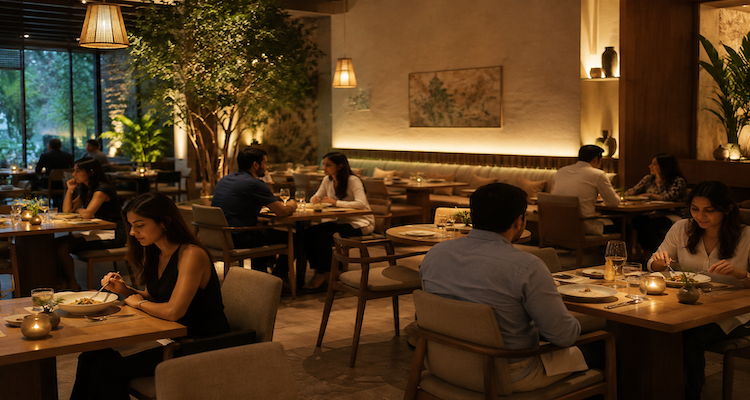
A restaurant once competed on food, service, and atmosphere. Increasingly, another factor is shaping where people choose to eat: noise.
Many diners are no longer looking for energetic dining rooms filled with loud music, crowded conversations, and constant activity. Instead, they are actively seeking restaurants, cafés, and hospitality spaces that offer something increasingly rare quiet. What might have once been considered a dull or uneventful atmosphere is now becoming a valued feature for customers who spend much of their day surrounded by notifications, screens, meetings, traffic, and digital distractions.
The growing demand for quieter dining environments reflects more than a preference for comfort. It signals a broader cultural shift in how people relate to attention, social interaction, and everyday experiences. In an age defined by constant stimulation, silence or at least a reduction in noise is emerging as a form of luxury.
The Hidden Cost of Constant Stimulation
Most people encounter an extraordinary amount of sensory input before they even sit down for dinner. Smartphones deliver a continuous stream of messages, alerts, videos, and updates. Workplaces often involve virtual meetings, open-office conversations, and digital multitasking. Even leisure activities increasingly revolve around screens and media consumption.
As a result, many individuals arrive at restaurants already mentally saturated.
Dining out has traditionally been associated with connection, conversation, and relaxation. Yet excessively loud environments can undermine those goals. When guests must raise their voices to be heard or struggle to maintain a conversation, the experience can become tiring rather than restorative.
The growing appeal of quiet dining spaces suggests that consumers are becoming more aware of how environmental noise affects their mood, energy, and ability to engage with others.
Restaurants Are Rethinking What Atmosphere Means
For years, many restaurants embraced high-energy environments as part of their brand identity. Loud music, bustling interiors, and dense seating arrangements were often associated with popularity and excitement.
However, some hospitality operators are beginning to recognize that atmosphere does not necessarily require volume.
A growing number of restaurants are paying closer attention to acoustics, sound-absorbing materials, seating layouts, and background music levels. Rather than creating excitement through noise, they are designing spaces that encourage conversation and comfort.
This shift is particularly noticeable in upscale dining establishments, boutique cafés, and hospitality concepts that emphasize mindfulness, wellness, or premium customer experiences.
The goal is not complete silence. Instead, it is creating an environment where guests can focus on the people and food in front of them without competing with overwhelming background noise.
The Rise of “Attention-Friendly” Experiences
One of the most interesting aspects of this trend is that it extends beyond restaurants.
Across multiple industries, businesses are discovering that consumers increasingly value experiences that reduce cognitive overload. Wellness retreats, digital detox programs, quiet hotel floors, meditation spaces, and distraction-free work environments have all gained attention in recent years.
Quiet dining fits naturally within this broader movement.
Consumers are becoming more selective about where they spend their limited attention. Rather than seeking maximum stimulation at all times, many are looking for spaces that help them slow down.
This represents a subtle but important change in consumer behavior. For decades, businesses often competed by adding more features, more entertainment, and more sensory engagement. Today, some of the most appealing experiences are defined by what they remove rather than what they add.
Why Younger Generations Are Part of the Trend
The desire for quieter dining is not limited to older customers seeking a calm environment. Many younger consumers are also contributing to the shift.
Despite growing up in highly connected digital environments, younger generations are increasingly aware of the effects of information overload. Discussions around mindfulness, mental well-being, screen fatigue, and intentional living have become more common among younger adults.
As a result, dining out is often viewed as an opportunity to disconnect from digital noise and reconnect with real-world interactions.
A restaurant that enables meaningful conversation can become more attractive than one that merely offers a lively social media backdrop.
This does not mean visually appealing spaces are losing importance. Rather, customers are beginning to value environments that support genuine experiences alongside aesthetics.
The Business Case for Quiet Dining
For restaurant owners, the demand for quieter spaces presents both opportunities and challenges.
On one hand, reducing noise can improve customer satisfaction, encourage longer visits, and enhance perceptions of service quality. Guests who can comfortably converse may be more likely to return and recommend the venue to others.
On the other hand, creating quieter environments often requires thoughtful design decisions. Acoustic treatments, furniture selection, room layouts, and sound management can involve additional investment.
Yet as customer expectations evolve, these investments may increasingly become competitive advantages.
Much like quality lighting, comfortable seating, or thoughtful menu design, sound management could become an important element of the overall guest experience rather than an afterthought.
Restaurants that understand this shift may find themselves appealing to a growing segment of customers who prioritize comfort and connection over excitement alone.
Quiet Spaces Reflect a Larger Cultural Change
The growing interest in quieter dining spaces reveals something deeper than a hospitality trend.
For much of modern history, busyness has often been associated with success, productivity, and relevance. Constant activity became a symbol of engagement with the world.
Today, many people are beginning to question whether endless stimulation actually improves their quality of life.
The popularity of quiet dining reflects a broader reevaluation of attention as a valuable resource. Consumers are becoming more conscious of how they spend their time, where they focus their energy, and which environments support meaningful experiences.
In this context, a peaceful restaurant is not simply a place to eat. It becomes a temporary refuge from the demands of modern life.
The appeal lies not only in the food but also in the opportunity to pause.
What the Future of Dining May Look Like
As awareness of sensory overload continues to grow, restaurants may increasingly differentiate themselves through experience design rather than entertainment alone.
Some venues may introduce designated quiet zones. Others may promote conversation-friendly dining rooms, lower-volume music policies, or architectural features that reduce noise. Hospitality brands focused on wellness may incorporate acoustic comfort into their core identity.
Consumer preferences are unlikely to move entirely away from energetic restaurants. There will always be demand for lively social spaces, celebrations, and high-energy dining experiences.
What is changing is the range of choices people expect.
Just as diners increasingly seek healthier menu options, sustainable sourcing, or personalized experiences, many may begin to view acoustic comfort as an essential part of hospitality quality.
The rise of quiet dining spaces suggests that people are searching for more than meals. They are looking for environments that help them reconnect with conversation, with presence, and with the simple pleasure of sharing a table without competing against the noise of the world.
This content is published for informational or entertainment purposes. Facts, opinions, or references may evolve over time, and readers are encouraged to verify details from reliable sources.