










Privacy Is Changing: How Modern Life Is Redefining What Feels Personal
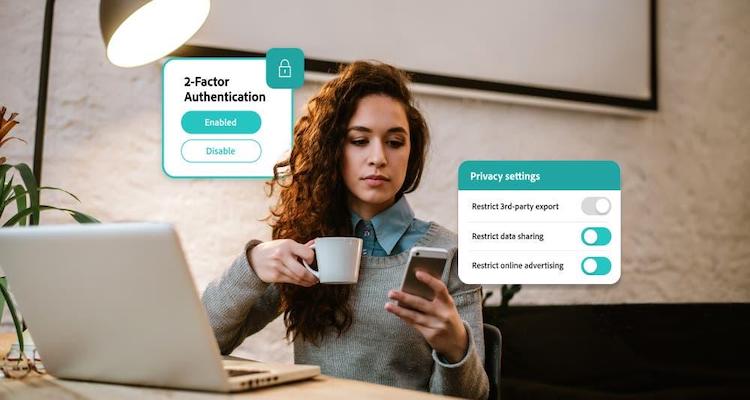
Privacy was once largely defined by physical boundaries. A closed door, a private conversation, or a personal diary represented spaces where individuals expected freedom from observation. Today, those boundaries are becoming harder to recognize. The shift is not simply about technology collecting data it is about a growing change in what people consider private in the first place.
Many behaviors that would have seemed intensely personal a generation ago are now routinely shared online. Daily routines, health journeys, relationship milestones, work challenges, and even emotional struggles increasingly appear on social platforms, professional networks, and public forums. At the same time, people are becoming more protective of other aspects of their lives that previous generations rarely considered sensitive, such as digital tracking, location data, browsing habits, and algorithmic profiling.
This changing definition of privacy reveals a broader cultural transformation. The question is no longer whether privacy matters. Instead, it is becoming a question of which parts of life people choose to protect and which parts they willingly expose.
The Shift From Secrecy to Selective Visibility
For much of modern history, privacy was closely associated with secrecy. Information remained private because sharing it was difficult. Family matters stayed within households. Personal opinions were often limited to close social circles. Records were stored in physical locations that required effort to access.
Digital platforms have dramatically altered that reality.
People now communicate through systems designed around visibility and connection. Sharing experiences can strengthen relationships, build communities, and create professional opportunities. What once felt private may now feel socially valuable when shared with the right audience.
This does not mean people care less about privacy. Instead, they are becoming more selective about it.
A person may willingly post vacation photos, fitness achievements, or career updates for hundreds of followers while simultaneously worrying about how apps collect location information or how advertisers track browsing behavior. The distinction highlights an important change: privacy is increasingly defined by control rather than concealment.
The issue is often less about whether information exists and more about who has access to it, how it is used, and whether individuals feel they have meaningful choices.
Why Privacy Feels Different Today
One reason privacy perceptions are changing is that modern life is increasingly digital by default.
Work meetings occur online. Shopping habits generate data trails. Entertainment platforms monitor viewing preferences. Smart devices collect information to personalize experiences. Even routine activities such as exercising, traveling, or ordering food often involve digital interactions.
As a result, people regularly exchange personal information for convenience.
Many consumers accept this tradeoff because the benefits are immediate and visible. Personalized recommendations save time. Navigation apps improve travel. Digital payment systems simplify transactions. Streaming platforms help users discover content more efficiently.
The challenge is that these exchanges are often invisible after they occur. While users experience convenience directly, they may have limited understanding of how their information moves through larger digital ecosystems.
This creates a paradox. Individuals may feel comfortable sharing personal stories publicly while remaining uneasy about data collection happening behind the scenes.
The Rise of Context-Based Privacy
One of the most significant developments in modern privacy is the growing importance of context.
People no longer think about information as simply public or private. Instead, they evaluate privacy based on where information appears and who can see it.
A photograph shared with close friends may feel private even when uploaded to a digital platform. The same image viewed by strangers may feel intrusive. Similarly, professional updates posted on a business network may seem appropriate, while the same information appearing in unrelated contexts could feel uncomfortable.
This shift reflects a deeper understanding that privacy is not always about hiding information. It is often about maintaining control over the audience and purpose associated with that information.
The concept helps explain why many users feel frustrated when old social media posts resurface years later or when online advertisements appear to know too much about recent interests. The information itself may not be secret, but its movement into unexpected contexts can feel invasive.
A New Generation’s Perspective
Younger generations are growing up in environments where digital sharing is deeply integrated into everyday life. Their approach to privacy often differs from that of older generations, not because they value privacy less, but because they navigate it differently.
Many younger users actively manage multiple digital identities. They may maintain separate spaces for friends, professional contacts, family members, and public audiences. Rather than treating privacy as a single setting, they view it as a series of choices that vary across platforms and situations.
This approach reflects a broader cultural adaptation. As digital life expands, individuals are learning to balance visibility and protection simultaneously.
The result is a more nuanced understanding of privacy than the traditional public-versus-private model.
The Hidden Impact on Relationships and Trust
Changes in privacy expectations are also reshaping human relationships.
Friendships, workplaces, schools, and families increasingly operate in environments where personal information can be shared, stored, and rediscovered indefinitely. This creates new questions about trust.
How much should employers know about employees outside work? How much should friends share about others online? How much personal information should educational institutions collect through digital systems?
These questions rarely have simple answers. Expectations continue to evolve alongside technology and social norms.
What remains constant is the importance of trust. Organizations that handle personal information responsibly often strengthen relationships with users. Those perceived as careless or overly intrusive may face growing skepticism.
In this sense, privacy is becoming a relationship issue as much as a technological one.
The Emerging Privacy Divide
An interesting trend is beginning to emerge across industries and consumer behavior.
For years, digital culture encouraged openness, sharing, and constant visibility. Today, signs of a counter-movement are becoming increasingly noticeable. Private communities, encrypted messaging services, invitation-only groups, and smaller online spaces are attracting attention from users seeking greater control over their interactions.
This does not necessarily signal a rejection of social media or digital life. Instead, it suggests that people are becoming more intentional about where they share information.
The most valuable insight may be that privacy is evolving from a defensive concept into a design preference.
Consumers increasingly want products, services, and digital experiences that respect personal boundaries while still offering convenience and connectivity. Businesses that recognize this shift may gain an advantage by building transparency and user control directly into their services.
What Happens Next?
The future of privacy will likely be shaped by an ongoing negotiation between convenience, personalization, transparency, and control.
Emerging technologies such as artificial intelligence, connected devices, digital identity systems, and predictive algorithms may create new opportunities while also introducing new privacy questions. As these technologies become more integrated into everyday life, public expectations will continue to evolve.
What feels private today may feel normal tomorrow. Likewise, practices currently accepted may face greater scrutiny in the future.
The larger trend is clear: privacy is no longer defined solely by what people hide. It is increasingly defined by what they choose to reveal, who they trust, and how much control they believe they have over their personal information.
Understanding that shift is essential because privacy is no longer just a legal or technological issue. It has become a reflection of how modern society defines identity, trust, and personal freedom in an increasingly connected world.
This content is published for informational or entertainment purposes. Facts, opinions, or references may evolve over time, and readers are encouraged to verify details from reliable sources.