









The Hidden Ecological Costs of the Outdoor Recreation Boom
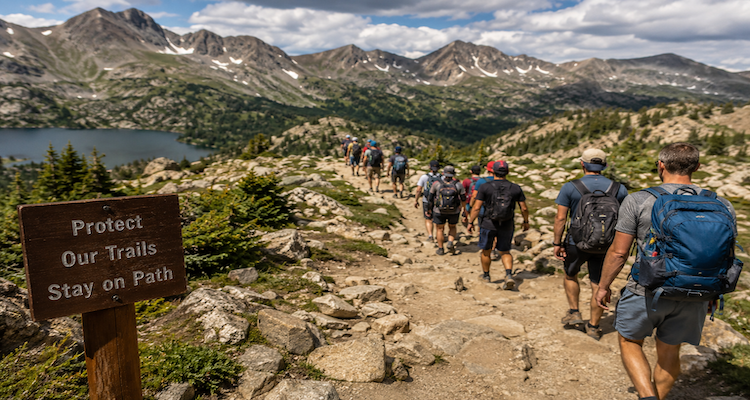
A crowded hiking trail might seem like a sign of something positive: more people spending time outdoors, reconnecting with nature, and prioritizing healthier lifestyles. National parks, mountain trails, lakes, forests, and wildlife reserves around the world have experienced surging visitor numbers as outdoor recreation has become increasingly popular.
Yet beneath the enthusiasm for hiking, camping, mountain biking, kayaking, and nature tourism lies a less visible story. The growing popularity of outdoor recreation is creating environmental pressures that many visitors never see. While individuals may believe they are enjoying nature responsibly, the combined impact of millions of people seeking outdoor experiences is reshaping ecosystems in ways that are becoming difficult for conservationists to ignore.
The challenge is not that people are spending time outdoors. The challenge is that natural spaces were often not designed to absorb recreation on the scale now being seen.
Nature’s Popularity Comes With a Price
Outdoor recreation has benefited from several cultural shifts. Remote work has given some people greater flexibility to travel. Social media has turned hidden viewpoints and scenic trails into global attractions. Health-conscious lifestyles have encouraged outdoor exercise, while growing awareness of mental well-being has increased interest in spending time in natural environments.
As a result, destinations that once welcomed a steady flow of visitors can suddenly experience overwhelming popularity.
A quiet waterfall featured in a viral video may receive thousands of additional visitors within weeks. A secluded hiking route shared by influencers can quickly become crowded. What begins as appreciation for nature can unintentionally place stress on fragile landscapes.
Foot traffic compacts soil, damages vegetation, and accelerates erosion. Informal trails often emerge as visitors seek shortcuts or alternative routes, expanding the area affected by human activity. Over time, ecosystems that evolved without constant disturbance can struggle to recover.
Wildlife Is Adapting But Not Always Successfully
One of the most significant yet overlooked consequences of recreation growth involves wildlife behavior.
Animals rely on predictable patterns for feeding, breeding, nesting, and migration. Increased human presence can disrupt these routines even when visitors do not directly interact with wildlife.
Bird species may abandon nesting sites near busy trails. Mammals can alter feeding schedules to avoid daytime visitors. Some animals retreat deeper into habitats, while others become habituated to humans and lose natural caution.
The shift is particularly noticeable in areas where recreation occurs year-round. Activities such as hiking, trail running, cycling, camping, and photography can create nearly constant disturbance.
In some locations, researchers and conservation managers have observed wildlife becoming increasingly nocturnal as a response to human activity. While adaptation may appear beneficial, altered behavior can carry hidden costs, affecting feeding efficiency, reproductive success, and long-term population stability.
The ecological impact is often subtle enough that casual visitors never notice it.
Social Media Has Changed Environmental Pressure
A major factor separating today’s recreation boom from previous generations is the influence of digital platforms.
Decades ago, discovering a remote location often required local knowledge, guidebooks, or personal recommendations. Today, a single viral post can expose an obscure destination to millions of people overnight.
This phenomenon has created what some land managers describe as “instant tourism.” Locations that previously experienced gradual visitor growth can suddenly receive levels of traffic far beyond their capacity.
The issue is not limited to famous landmarks. Small lakes, hidden beaches, alpine meadows, and lesser-known forest trails are increasingly vulnerable because they often lack the infrastructure needed to handle large crowds.
Parking areas overflow, waste management systems become strained, and fragile habitats face unexpected pressure. In many cases, conservation efforts struggle to keep pace with the speed at which online exposure can transform a destination.
The Infrastructure Dilemma
Outdoor recreation is frequently promoted as a sustainable alternative to many forms of tourism. Compared with large-scale urban attractions, nature-based activities may appear environmentally gentle.
However, accommodating growing visitor numbers often requires infrastructure development.
New parking lots, expanded roads, visitor centers, campsites, restrooms, and trail networks can help manage recreation but may also alter natural habitats. Balancing access and conservation becomes increasingly difficult as demand grows.
Land managers face a complex decision. Restricting access can frustrate visitors and local businesses that benefit from tourism revenue. Expanding access can increase environmental disturbance.
Neither option offers a perfect solution.
This tension is becoming a defining challenge for parks, protected areas, and recreational destinations around the world.
Local Communities Feel the Effects Too
The ecological impact of recreation growth extends beyond wildlife and landscapes.
Communities located near popular outdoor destinations often experience increased traffic, rising housing costs, seasonal overcrowding, and pressure on local infrastructure.
Nature-based tourism can generate valuable economic opportunities, supporting restaurants, lodging providers, guides, and outdoor equipment businesses. Yet rapid growth can also create concerns about sustainability and quality of life.
Some communities are beginning to rethink how they balance economic benefits with environmental protection. Reservation systems, visitor quotas, seasonal restrictions, and educational campaigns are becoming more common tools for managing demand.
The conversation is shifting from encouraging more visitors to encouraging smarter visitation.
A New Way of Thinking About Conservation
One of the most important insights emerging from the recreation boom is that environmental impact is no longer driven only by industries, urban expansion, or resource extraction.
Individual lifestyle choices, when adopted by millions of people simultaneously, can create significant ecological consequences.
Outdoor recreation highlights a modern paradox. The more people value nature, the greater the potential pressure on the very environments they seek to enjoy.
This does not mean people should avoid natural spaces. Rather, it suggests that conservation strategies must evolve alongside changing recreational habits.
Education, responsible tourism practices, better trail management, habitat restoration, and visitor distribution strategies are increasingly becoming essential components of environmental protection.
The future of conservation may depend as much on managing human behavior as protecting landscapes themselves.
What Happens Next?
Outdoor recreation is unlikely to lose popularity anytime soon. Interest in wellness, adventure travel, nature experiences, and digital detox lifestyles continues to grow across many parts of the world.
As participation expands, environmental managers, policymakers, local communities, and recreation enthusiasts will face important questions.
How much access should natural areas provide? How can ecosystems remain resilient while welcoming visitors? What responsibilities do travelers have when sharing destinations online? And how can recreation be encouraged without undermining conservation goals?
The answers will vary by location, but one reality is becoming increasingly clear: enjoying nature is no longer a passive act.
Every trail walked, campsite occupied, and destination shared online contributes to a larger ecological story. Recognizing that connection may be the first step toward ensuring that outdoor recreation remains compatible with the long-term health of the natural world.
This content is published for informational or entertainment purposes. Facts, opinions, or references may evolve over time, and readers are encouraged to verify details from reliable sources.