










When Food Becomes Identity: Why Younger Consumers Are Redefining What They Eat
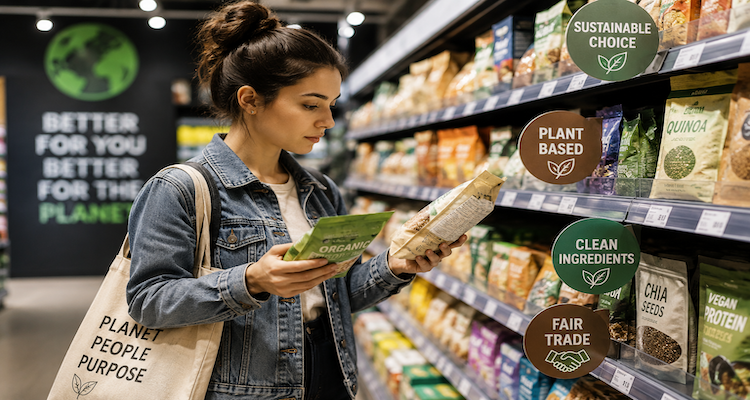
A grocery cart used to reveal little more than household preferences and budgets. Today, it often tells a much larger story. A package of plant-based burgers, a locally sourced coffee blend, a probiotic drink, or a sustainably packaged snack can signal values, priorities, and even social belonging. For many younger consumers, food is no longer just a necessity, it has become a form of self-expression.
This shift is changing how products are marketed, how brands communicate, and how people make everyday purchasing decisions. What appears to be a simple choice between two products may actually reflect concerns about health, environmental impact, cultural identity, ethics, or lifestyle aspirations. Food purchases are increasingly serving the same role that fashion, music, and technology once dominated: communicating who we are and what we stand for.
The Rise of Food as Personal Branding
Identity has always influenced consumption, but younger generations are expressing it in increasingly visible ways. Social media has amplified this trend by turning meals, snacks, and beverages into shareable content. A coffee order, a meal delivery, or a grocery haul can become part of an online persona.
Unlike previous generations, many younger consumers have grown up in a digital environment where personal branding is an everyday activity. What they eat often aligns with how they want to be perceived. Choosing organic products may signal concern for wellness. Supporting local businesses may reflect community-minded values. Selecting plant-based alternatives may communicate environmental awareness or ethical priorities.
The result is that food choices often carry symbolic meaning beyond taste or convenience.
Values Are Moving to the Checkout Counter
One of the most significant changes is the growing connection between purchasing decisions and personal values.
Consumers increasingly look beyond ingredients and price tags. They want to understand where products come from, how they are produced, and whether brands align with their beliefs. Questions about sustainability, labor practices, animal welfare, packaging waste, and ingredient transparency have become part of the shopping experience.
This does not mean every purchase is driven entirely by ideology. Budget, convenience, and availability still matter. However, values are becoming a more visible factor in decision-making than they were in the past.
Companies across the food industry have responded by emphasizing sourcing stories, environmental commitments, and social initiatives. Brands are no longer competing solely on flavor or affordability. They are increasingly competing on meaning.
Health Is Becoming Part of Personal Identity
Health-conscious eating is not a new phenomenon, but its role has evolved.
For many younger consumers, wellness extends beyond avoiding illness. It has become a lifestyle category connected to productivity, mental well-being, fitness goals, and long-term self-improvement. Food choices often serve as visible markers of those aspirations.
Products marketed around gut health, protein content, natural ingredients, or functional benefits appeal not only because of their nutritional claims but also because they fit into a broader identity narrative. Consumers are often buying into a lifestyle as much as a product.
This helps explain why certain food trends gain cultural momentum. The appeal frequently goes beyond the food itself and taps into a larger vision of who consumers want to become.
Communities Are Forming Around Food Choices
Food increasingly functions as a social connector.
People gather around shared dietary approaches, whether they are vegetarian, vegan, gluten-free, high-protein, organic-focused, or committed to locally sourced ingredients. These communities often exist both online and offline, creating a sense of belonging that reinforces purchasing behavior.
The influence of these communities can be powerful. Recommendations from creators, friends, and online groups often carry more weight than traditional advertising. Consumers frequently discover products through social networks where food choices are linked to identity and lifestyle discussions.
As a result, food brands are not simply selling products. They are participating in cultural conversations and community ecosystems.
The Hidden Shift: Food as a Statement of Agency
Perhaps the most interesting aspect of this trend is what it reveals about younger consumers’ relationship with the world around them.
Many large societal challenges, climate change, economic uncertainty, public health concerns, and technological disruption, can feel overwhelming and difficult to influence directly. Food purchases offer a tangible action that individuals can control.
Choosing a product becomes a way to participate in larger issues. Buying from a local producer may feel like supporting community resilience. Selecting sustainable packaging may feel like contributing to environmental responsibility. Choosing healthier alternatives may represent personal empowerment.
The insight here is that food is increasingly functioning as a form of everyday agency. Consumers are using routine purchases to express influence in areas where they might otherwise feel powerless.
Why Brands Are Paying Close Attention
For businesses, this shift represents both an opportunity and a challenge.
Brands that understand the emotional and cultural dimensions of food can build stronger customer relationships. Consumers are often willing to support companies that genuinely reflect their values and communicate them clearly.
However, authenticity has become critical. Younger consumers tend to scrutinize brand claims more closely than previous generations. Marketing messages that appear disconnected from actual business practices can quickly attract skepticism.
This means companies must ensure that their stated commitments are reflected in product development, sourcing, operations, and communication. Trust increasingly depends on consistency rather than slogans.
The Economic Impact of Identity-Driven Consumption
The influence of identity-based purchasing extends beyond individual brands.
Retailers are expanding product categories that cater to specific lifestyles and values. Restaurants are adapting menus to accommodate diverse dietary preferences. Food startups are emerging around niche consumer identities that might have been considered too small to serve in previous decades.
This fragmentation of demand is creating a more personalized food economy. Instead of a few mass-market choices dominating shelves, consumers now expect products tailored to different priorities and lifestyles.
The trend is also encouraging innovation. Companies are experimenting with alternative proteins, sustainable packaging, transparent supply chains, and functional ingredients in response to evolving consumer expectations.
What This Means for the Future
The relationship between food and identity is unlikely to disappear. If anything, it may become more sophisticated.
Emerging technologies could provide greater transparency into sourcing and production. Personalized nutrition may further connect food choices to individual goals and lifestyles. Environmental concerns may continue shaping purchasing behavior as sustainability becomes more central to consumer decision-making.
At the same time, economic pressures could create an interesting tension. Consumers may increasingly balance value-driven purchases with affordability concerns. The future may not be about choosing between identity and practicality but finding ways to combine both.
What is clear is that food has moved beyond its traditional role. For many younger consumers, it has become a language through which they communicate values, aspirations, and belonging.
The grocery aisle is no longer just a marketplace. It is increasingly a reflection of how people see themselves—and how they want the world to see them.
This content is published for informational or entertainment purposes. Facts, opinions, or references may evolve over time, and readers are encouraged to verify details from reliable sources.