










Why Power Infrastructure Is the New Foundation of Economic Growth
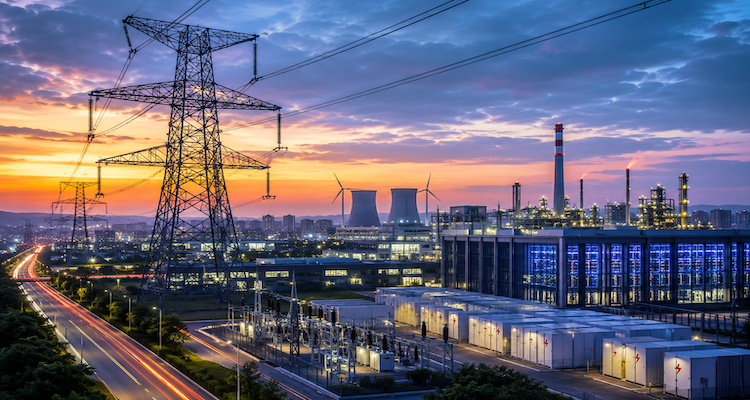
A decade ago, discussions about economic development often centered on highways, ports, airports, and digital connectivity. Today, a different asset is quietly moving to the center of those conversations: power infrastructure. From advanced manufacturing plants to artificial intelligence data centers, a reliable supply of electricity is becoming one of the most valuable prerequisites for growth.
The shift is happening so quickly that many regions are discovering a surprising reality. The ability to attract investment is no longer determined solely by tax incentives, labor availability, or geographic location. Increasingly, it depends on whether enough power can be generated, transmitted, and delivered when businesses need it.
This transformation is changing how governments, investors, and corporations think about economic competitiveness. Power infrastructure is no longer just a utility service operating in the background. It is becoming a strategic asset that can influence where industries emerge, where jobs are created, and which economies gain a long-term advantage.
The Growing Demand Behind the Shift
Electricity demand is entering a new phase. For years, improvements in efficiency helped moderate growth in power consumption. Today, several powerful trends are pushing demand upward again.
The rise of artificial intelligence is one of the most visible examples. Large-scale data centers require enormous amounts of electricity to operate servers, cooling systems, and networking equipment. Technology companies searching for locations to build these facilities often prioritize regions with stable and expandable power grids.
At the same time, manufacturing is becoming more energy-intensive in new ways. Electric vehicle production, battery manufacturing, semiconductor fabrication, and advanced industrial processes all require substantial and dependable electricity supplies.
The transition toward cleaner energy systems is also increasing dependence on electricity. As transportation, heating, and industrial operations become electrified, power infrastructure becomes even more central to everyday economic activity.
The result is a growing recognition that electricity is not simply supporting economic development, it is increasingly defining its limits and possibilities.
Why Businesses Are Following the Grid
When companies evaluate potential locations for expansion, power reliability has become a major factor.
A modern factory cannot afford frequent outages. A cloud computing facility cannot risk interruptions that affect customers around the world. Even logistics centers and commercial districts depend heavily on uninterrupted power to maintain operations.
As a result, regions with strong power infrastructure are gaining a competitive advantage. Businesses often view reliable electricity as a sign of broader economic readiness. It suggests that an area can support growth, handle future demand, and reduce operational risk.
In some cases, companies are encountering delays because local power systems cannot accommodate new projects quickly enough. This has elevated discussions about grid capacity from a technical concern to a boardroom priority.
The message is becoming clear: economic opportunity increasingly follows energy availability.
The Hidden Value of Transmission Networks
Public attention often focuses on power generation, whether it comes from solar farms, wind turbines, natural gas plants, hydroelectric facilities, or nuclear reactors. Yet one of the most valuable components of power infrastructure is less visible.
Transmission networks the systems that move electricity across regions are emerging as critical economic assets.
A region may generate abundant electricity, but without adequate transmission capacity, that energy cannot efficiently reach businesses and communities that need it. Expanding transmission networks allows economies to connect renewable energy resources, improve reliability, and support industrial development.
This creates an important insight often overlooked in discussions about economic growth: generating electricity is only part of the challenge. Delivering it where and when it is needed may be equally important.
Countries investing in modern transmission systems are not simply upgrading utilities. They are creating the foundation for future economic expansion.
Power Infrastructure and the Race for Investment
Global competition for investment is intensifying. Governments are working to attract manufacturers, technology companies, and emerging industries that can create jobs and stimulate growth.
In this environment, power infrastructure is becoming a differentiator.
A region capable of providing abundant, reliable electricity gains an advantage when competing for large-scale projects. Investors increasingly assess whether local grids can support future expansion rather than merely meet current demand.
This trend is especially visible in sectors linked to digital transformation. Data centers, cloud computing operations, AI development facilities, and advanced research campuses often require significant power commitments before construction begins.
For economic planners, the implication is significant. Infrastructure investments that once seemed routine may now determine whether a region participates in major growth opportunities.
The Emerging Connection Between Energy Security and Economic Security
The growing importance of power infrastructure reflects a broader shift in how economies view resilience.
Disruptions caused by extreme weather, geopolitical tensions, supply chain challenges, and cyber threats have highlighted the vulnerability of critical infrastructure systems. Reliable electricity has become closely linked to economic stability.
Businesses want assurance that operations can continue during periods of uncertainty. Communities depend on power systems for healthcare, communication, transportation, and public services. Financial markets increasingly recognize that energy reliability can influence economic performance.
This is changing investment priorities. Strengthening power infrastructure is no longer viewed solely as a utility expense. It is increasingly seen as a form of economic risk management.
The regions that invest proactively may be better positioned to handle future disruptions while maintaining growth momentum.
A New Era of Infrastructure Investment
One of the most significant developments is the changing perception of infrastructure itself.
Historically, power systems were often viewed as essential but relatively unexciting public assets. Today, investors, governments, and corporations are beginning to see them differently.
The expansion of renewable energy, energy storage technologies, smart grids, and digital monitoring systems is transforming traditional infrastructure into a platform for innovation.
Modern grids can improve efficiency, integrate diverse energy sources, and respond more dynamically to changing demand patterns. This technological evolution increases the strategic value of power infrastructure while creating opportunities for new business models.
The conversation is shifting from maintaining existing systems to building the energy foundations of future economies.
What This Means for Everyday Life
The importance of power infrastructure extends far beyond government planning or corporate strategy.
When regions attract new investment, communities often benefit through job creation, economic activity, and improved public services. Reliable electricity supports schools, hospitals, transportation systems, and digital connectivity.
Consumers may not think often about transmission lines, substations, or grid modernization projects. Yet these systems increasingly influence where economic opportunities emerge and how quickly communities can adapt to changing industries.
The connection between power infrastructure and everyday life is becoming more direct. As economies electrify and digital technologies expand, access to dependable energy becomes a key factor shaping local prosperity.
The Asset That May Define the Next Economic Cycle
Economic development has always depended on foundational infrastructure. What is changing is which infrastructure matters most.
Roads and ports remain essential, but the growing demands of digital economies, advanced manufacturing, artificial intelligence, and electrification are elevating power infrastructure to a new level of importance.
The most successful regions of the coming decades may not simply be those with the best incentives or the lowest costs. They may be the ones that invested early in the energy systems capable of supporting future growth.
Power infrastructure is no longer just a supporting asset. It is increasingly becoming the platform upon which modern economic development is built.
The information presented in this article is based on publicly available sources, reports, and factual material available at the time of publication. While efforts are made to ensure accuracy, details may change as new information emerges. The content is provided for general informational purposes only, and readers are advised to verify facts independently where necessary.
Related News
- The Energy Paradox of Efficiency: Why Using Less Electricity Does Not Always Mean Using Less Energy
- Why Extreme Weather Is Turning Electricity Resilience Into an Everyday Consumer Issue
- Why Energy Independence Is Becoming a Household Decision, Not Just a National Strategy
- The Hidden Energy Cost of Keeping Everything Available Instantly