









Why Energy Flexibility Is Turning Consumers Into Active Grid Participants
For decades, the relationship between consumers and the electricity grid was remarkably simple. Power companies generated electricity, households used it, and the flow moved in only one direction. Most people rarely thought about the grid beyond paying a monthly bill.
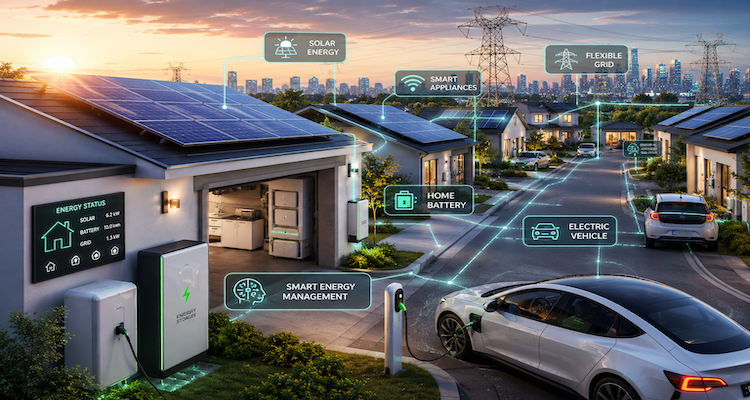
That arrangement is beginning to change. Across many parts of the world, consumers are becoming active participants in how electricity is generated, stored, and distributed. Rooftop solar panels, home batteries, electric vehicles, smart appliances, and connected energy management systems are transforming households from passive energy users into flexible energy resources. What was once a centralized system is evolving into a more interactive network where millions of individual decisions can influence the stability and efficiency of the grid.
This shift is often described as “energy flexibility,” and it may become one of the most important developments shaping the future of energy. While discussions about clean energy often focus on solar farms, wind turbines, or utility-scale batteries, the growing role of ordinary consumers is emerging as an equally significant story.
The Growing Importance of Energy Flexibility
Electricity grids face a complex challenge. Demand fluctuates throughout the day, while renewable energy sources such as solar and wind generate power based on weather conditions rather than consumer schedules.
Traditionally, utilities managed these fluctuations by increasing or decreasing power generation. However, as renewable energy becomes a larger part of the energy mix, balancing supply and demand is becoming more complicated.
Energy flexibility offers a different approach. Instead of relying solely on power producers to adjust output, consumers can help balance the system by shifting when and how they use electricity.
For example, a homeowner may charge an electric vehicle overnight when demand is lower. A smart thermostat may reduce energy consumption during peak demand periods. A home battery may store excess solar energy during the day and release it later when the grid is under greater strain.
Individually, these actions may appear small. Collectively, they can have a significant impact on grid performance.
Why Consumers Are Becoming More Involved
Several developments are driving this transformation.
The first is technology. Smart devices, connected appliances, and energy management software allow households to monitor and optimize energy use with far greater precision than in the past. Many adjustments can happen automatically without requiring constant attention from consumers.
The second factor is economics. Rising energy prices in some regions have encouraged households and businesses to look for ways to reduce costs. Flexible energy usage can help consumers take advantage of lower electricity rates during off-peak hours or earn incentives for reducing demand when the grid is stressed.
A third driver is the rapid adoption of distributed energy resources. Rooftop solar systems, home battery storage, and electric vehicles effectively turn consumers into small-scale energy producers and storage providers.
These technologies are no longer isolated devices. Increasingly, they are becoming interconnected components of a broader energy ecosystem.
The Rise of the “Prosumer”
One of the most notable changes is the emergence of the “prosumer”, a consumer who also produces energy.
Households with rooftop solar panels already generate electricity for their own use and, in some cases, export excess power back to the grid. As battery storage becomes more common, these homes gain additional flexibility by deciding when to consume, store, or share energy.
Electric vehicles add another layer of potential. In the future, many EVs may function as mobile energy storage units. When parked and connected, they could help support grid stability by supplying stored electricity during periods of high demand.
This evolution challenges the traditional distinction between producers and consumers. Increasingly, households may occupy both roles simultaneously.
A Hidden Shift in Consumer Behavior
Perhaps the most interesting aspect of energy flexibility is that it reflects a broader change in consumer behavior.
People are becoming more accustomed to managing resources dynamically. Streaming services personalize content. Smart homes automate daily routines. Digital platforms allow users to monitor finances, transportation, and health in real time.
Energy is following a similar path.
Rather than viewing electricity as an invisible utility that simply arrives when needed, consumers are beginning to see it as a resource that can be managed strategically. Decisions about when to charge a vehicle, run appliances, or store electricity are becoming part of everyday household management.
The significance of this shift extends beyond energy savings. It represents a growing willingness among consumers to engage with systems that were once controlled almost entirely by institutions and utilities.
Why Energy Flexibility Matters for the Clean Energy Transition
As countries pursue decarbonization goals, energy flexibility could play a crucial role in integrating renewable energy more effectively.
Solar energy production often peaks during daylight hours, while residential electricity demand tends to rise in the evening. Wind generation can vary depending on weather patterns.
Flexible consumption helps bridge these gaps. When consumers adjust energy usage to align with renewable generation, the overall system can operate more efficiently and with fewer emissions-intensive backup resources.
This does not eliminate the need for infrastructure investment, transmission upgrades, or utility-scale storage. However, it creates additional tools for managing a more complex energy landscape.
In many ways, consumer participation can be viewed as a distributed form of grid support that complements larger infrastructure solutions.
Industries Beyond Energy Are Feeling the Impact
The rise of energy flexibility is influencing industries far beyond traditional utilities.
Automotive manufacturers are increasingly positioning electric vehicles as part of broader energy ecosystems. Technology companies are developing platforms that connect homes, batteries, appliances, and charging systems. Real estate developers are incorporating energy-efficient technologies into residential projects.
Even appliance manufacturers are redesigning products to operate more intelligently within connected energy networks.
As a result, energy flexibility is becoming not only an infrastructure issue but also a business and innovation opportunity.
Companies that help consumers understand, automate, and optimize energy decisions may become increasingly important as the market evolves.
Challenges Still Remain
Despite growing momentum, several obstacles remain.
Not all households have access to solar panels, battery systems, or smart technologies. Upfront costs can limit participation, particularly in lower-income communities.
Privacy and cybersecurity concerns also require attention. As more devices become connected to energy networks, protecting consumer data and ensuring system security become increasingly important.
Regulatory frameworks present another challenge. In many regions, electricity markets and grid rules were designed for centralized power systems and may need updating to accommodate greater consumer participation.
The pace of adoption will likely vary across countries and regions depending on infrastructure, policy support, and economic conditions.
The Future Grid May Be More Collaborative Than Centralized
The traditional electricity model was built around large power plants supplying passive consumers. The emerging model is more decentralized, digital, and interactive.
Energy flexibility suggests that the future grid may rely not only on utilities and infrastructure operators but also on millions of households making small, coordinated decisions. Smart homes, electric vehicles, batteries, and connected devices could collectively become an essential part of maintaining grid reliability.
The most important takeaway is that energy consumers are no longer merely end users. They are becoming participants in a larger energy ecosystem.
As clean energy technologies continue to expand, the success of future power systems may depend as much on consumer engagement as on new generation capacity. The rise of energy flexibility is not simply changing how electricity is delivered it is redefining who plays a role in keeping the grid running.
The information presented in this article is based on publicly available sources, reports, and factual material available at the time of publication. While efforts are made to ensure accuracy, details may change as new information emerges. The content is provided for general informational purposes only, and readers are advised to verify facts independently where necessary.
Related News
- The Energy Paradox of Efficiency: Why Using Less Electricity Does Not Always Mean Using Less Energy
- Why Extreme Weather Is Turning Electricity Resilience Into an Everyday Consumer Issue
- Why Energy Independence Is Becoming a Household Decision, Not Just a National Strategy
- The Hidden Energy Cost of Keeping Everything Available Instantly