







Why Geological Landscapes Are Becoming a New Travel Obsession
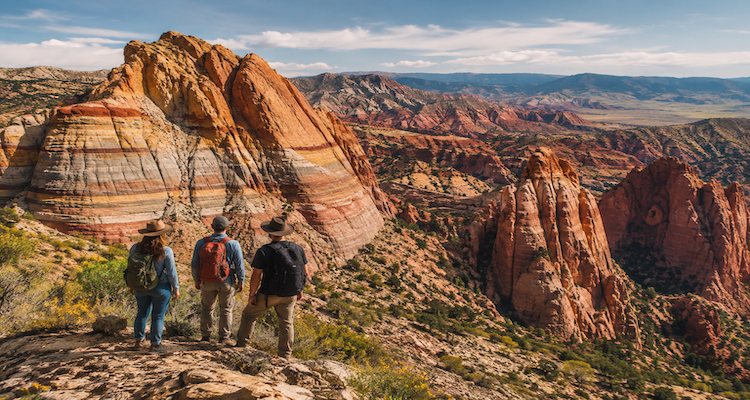
Not long ago, many travelers planned trips around famous landmarks, beaches, museums, or culinary experiences. Today, a different kind of destination is quietly attracting growing attention: geological landscapes. From dramatic canyons and volcanic fields to ancient rock formations and otherworldly deserts, places shaped by millions of years of Earth’s history are becoming major attractions for travelers seeking something deeper than a traditional vacation.
This shift reflects more than a change in destination preferences. It signals a broader transformation in how people experience travel. Increasingly, travelers are looking for places that offer perspective, authenticity, and a stronger connection to the natural world. Geological landscapes provide all three in ways that many conventional tourist attractions cannot.
What makes this trend particularly interesting is that it sits at the intersection of science, adventure, photography, wellness, and environmental awareness. As travelers become more selective about where they spend their time and money, landscapes that reveal the story of the planet itself are gaining new cultural significance.
The Appeal of Places Shaped by Deep Time
One of the most powerful aspects of geological landscapes is their ability to make human concerns feel small in comparison to Earth’s vast timeline.
Standing at the edge of a canyon carved over millions of years or walking across volcanic terrain formed by ancient eruptions offers a perspective that is difficult to find elsewhere. These environments reveal processes that have shaped continents, mountains, and ecosystems long before modern civilization existed.
Many travelers describe such experiences as humbling. Unlike attractions built by people, geological formations often inspire a sense of wonder because they represent natural forces operating on scales that are almost impossible to comprehend.
This growing fascination with “deep time” has become part of a wider cultural movement. In a fast-paced digital world dominated by constant updates and short attention spans, landscapes that tell stories spanning millions of years offer a rare opportunity to slow down and reflect.
Social Media Has Changed What Travelers Notice
Photography has always influenced travel decisions, but social media has amplified the visibility of geological destinations in unique ways.
Dramatic rock formations, colorful mineral landscapes, lava fields, slot canyons, and towering cliffs often create striking visual content. Their unusual textures, colors, and shapes stand out in crowded social feeds.
Yet the trend extends beyond aesthetics.
Many travelers are no longer satisfied with simply sharing beautiful images. They increasingly want to understand the stories behind the places they visit. Geological landscapes provide a compelling narrative layer. A photograph becomes more meaningful when it captures a location formed by tectonic movement, erosion, volcanic activity, or ancient oceans.
This combination of visual appeal and educational value helps explain why geological destinations often generate sustained interest rather than short-lived social media attention.
The Rise of Experience-Based Travel
Travel preferences have shifted noticeably toward experiences rather than checklists.
Instead of collecting famous landmarks, many travelers now seek memorable encounters that offer learning, personal growth, or a sense of discovery. Geological landscapes fit naturally within this trend.
Exploring a desert shaped by wind erosion, hiking through volcanic terrain, or visiting a geopark often feels more immersive than simply viewing a tourist attraction. The destination becomes a living classroom where travelers can engage with science, geography, ecology, and history simultaneously.
This preference is particularly visible among younger travelers who often value authenticity and meaningful experiences over traditional tourism symbols. For them, understanding how a landscape formed can be just as rewarding as seeing it.
Science Tourism Is Becoming More Mainstream
Another factor driving interest is the growing popularity of science-based tourism.
Museums, observatories, wildlife reserves, and geological sites are attracting visitors who want their travels to be educational as well as enjoyable. Geological landscapes benefit from this trend because they offer accessible opportunities to explore scientific concepts in real-world settings.
Many destinations have responded by developing visitor centers, guided tours, interpretive trails, and educational programs that explain local geological history. These initiatives help transform what might once have been viewed simply as scenic locations into destinations with richer intellectual appeal.
The result is a travel experience that combines recreation with curiosity a combination increasingly valued by modern travelers.
A Growing Desire for Nature Beyond Traditional Landscapes
For decades, nature tourism largely focused on forests, beaches, mountains, and wildlife. While these remain popular, geological landscapes are expanding the definition of what nature-based travel can mean.
Travelers are becoming more interested in environments that appear unusual, extreme, or even alien. Volcanic regions, salt flats, badlands, basalt columns, and desert formations offer visual experiences unlike those found in more conventional natural settings.
These places challenge expectations. They remind visitors that nature is not always lush or green. Some of the planet’s most remarkable landscapes are defined by rock, mineral deposits, erosion patterns, and geological forces rather than vegetation.
This broader appreciation for Earth’s diversity reflects a growing sophistication in traveler interests.
The Environmental Connection
Interest in geological landscapes is also linked to increasing environmental awareness.
As climate change, biodiversity loss, and environmental conservation become more prominent public concerns, many travelers are seeking a deeper understanding of natural systems. Geological landscapes provide context for understanding how the planet evolves over long periods and how environmental changes occur.
They can also reveal the delicate balance between natural processes and human activity. Coastal erosion, glacier retreat, desertification, and volcanic hazards all become easier to understand when observed directly.
This educational dimension helps transform travel from passive sightseeing into a more informed engagement with the natural world.
The Hidden Insight: Travelers Are Seeking Perspective, Not Just Places
Perhaps the most important reason behind the rise of geological tourism has less to do with geology itself and more to do with human psychology.
Many modern travel experiences are designed around convenience, entertainment, and consumption. Geological landscapes offer something increasingly rare: perspective.
When people encounter landscapes formed over millions of years, everyday concerns often feel less overwhelming. These places encourage reflection about humanity’s place within a much larger story.
This may explain why geological destinations appeal across different age groups and travel styles. Adventure seekers enjoy the exploration. Photographers appreciate the visuals. Science enthusiasts value the educational aspects. Wellness-focused travelers often find a sense of calm and perspective.
The common thread is not the landscape alone. It is the mindset these environments encourage.
What This Trend Means for the Future of Travel
The growing interest in geological landscapes points toward a broader evolution in travel behavior.
Travelers increasingly want experiences that combine beauty, knowledge, authenticity, and meaning. Destinations capable of offering all four are likely to attract sustained attention in the years ahead.
This shift may also encourage greater investment in geoparks, conservation efforts, educational tourism infrastructure, and sustainable destination management. As awareness grows, more regions may recognize the cultural and economic value of protecting unique geological heritage.
The popularity of these landscapes suggests that future travelers may not simply ask where they should go. They may increasingly ask what a place can teach them.
Geological landscapes answer that question in a distinctive way. They tell stories written not in books or museums but in cliffs, valleys, mountains, and deserts. And for a growing number of travelers, those stories are becoming impossible to ignore.
This content is published for informational or entertainment purposes. Facts, opinions, or references may evolve over time, and readers are encouraged to verify details from reliable sources.