









Why the Night Sky Is Disappearing in More Cities Than We Realize
For most of human history, darkness arrived every evening with remarkable consistency. Streets grew quiet, stars emerged overhead, and the natural rhythm between day and night shaped how people lived, worked, and rested. Today, that rhythm is changing in ways many residents barely notice.
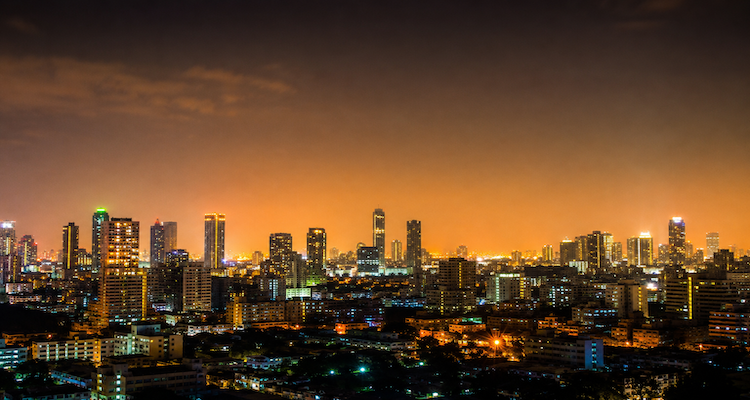
Across the world, an increasing number of cities are becoming brighter after sunset. New LED streetlights, illuminated buildings, digital billboards, sports facilities, logistics hubs, and around-the-clock commercial districts are creating an environment where true nighttime darkness is becoming rare. The change is often gradual, making it easy to overlook. Yet its effects reach far beyond the night sky.
The disappearance of darkness is no longer just an issue for astronomers or environmental advocates. It is becoming a question about urban design, public health, energy use, wildlife behavior, and even the future identity of cities themselves.
A Growing Glow Above Urban Areas
Anyone who has traveled from a major city into a rural region has likely noticed the difference. In urban centers, the sky often appears washed out, with only the brightest stars visible. Outside city limits, thousands of stars suddenly emerge.
This phenomenon is commonly associated with light pollution, a term that describes excessive or misdirected artificial light. Unlike air or water pollution, it is not always obvious because people often associate bright environments with safety, progress, and economic activity.
Modern lighting technologies have accelerated the trend. LEDs consume less energy than traditional lighting systems, making it more affordable for cities and businesses to illuminate larger areas for longer periods. While this can improve visibility and reduce certain costs, it can also encourage overuse.
As a result, many urban areas now emit a constant glow that extends far beyond their boundaries. The effect is visible from aircraft, satellites, and increasingly, from neighboring communities that once enjoyed darker skies.
The Hidden Cost of Losing Darkness
The most visible consequence is the loss of stargazing opportunities. Children growing up in heavily illuminated cities may never experience the night sky in the way previous generations did.
However, the impact goes much deeper.
Darkness plays a fundamental role in biological systems. Human bodies evolved under predictable cycles of light and darkness that help regulate sleep patterns and daily rhythms. Excessive nighttime illumination can interfere with these natural cycles, particularly when bright light enters homes through windows or remains present in public spaces throughout the night.
Wildlife is also affected. Many species depend on darkness for navigation, feeding, migration, and reproduction. Artificial lighting can alter these behaviors, sometimes disrupting ecosystems in unexpected ways.
Migratory birds, for example, often rely on natural light cues. Bright urban environments can disorient them, increasing risks during migration periods. Insects, which play important ecological roles, are also known to be attracted to artificial lights, potentially affecting local food chains.
The disappearance of darkness reveals an important reality: cities do not exist separately from nature. Even highly developed urban environments remain connected to ecological systems that respond to changes in light.
Why This Trend Is Accelerating
Several forces are driving the expansion of nighttime illumination.
Urban populations continue to grow, creating demand for transportation networks, commercial centers, entertainment districts, and residential developments that remain active well after sunset.
Consumer expectations are also changing. Many modern economies operate on a near-continuous schedule. Online shopping, food delivery services, logistics operations, data centers, and global business activities contribute to a culture where activity rarely stops.
Cities increasingly compete to attract tourism, investment, and events. Brightly illuminated skylines, landmark buildings, and vibrant nightlife districts often become part of a city’s brand identity.
At the same time, advances in lighting technology have made large-scale illumination easier and cheaper to deploy. When lighting becomes more affordable, organizations may install more of it than they truly need.
This creates a paradox. Technology designed to improve efficiency can sometimes increase overall consumption when lower costs encourage broader use.
The Cultural Meaning of Darkness
One of the least discussed consequences of light pollution is cultural rather than environmental.
For thousands of years, the night sky inspired mythology, navigation, religion, art, literature, and scientific discovery. Entire civilizations developed stories and traditions based on their relationship with the stars.
As urban populations become increasingly disconnected from natural darkness, that relationship weakens.
Many people now experience nighttime primarily through screens, illuminated streets, and indoor environments. The stars that once served as a universal reference point for humanity are becoming invisible to large portions of the global population.
This shift reflects a broader pattern of modern life. As cities become more technologically sophisticated, certain natural experiences that were once ordinary are gradually becoming rare.
The loss is subtle because nothing dramatic happens overnight. Yet over decades, the cumulative effect can reshape how people perceive nature, time, and their place within the larger world.
A New Urban Design Challenge
Not all lighting is problematic. Well-designed illumination can improve safety, accessibility, and quality of life.
The challenge lies in using light intelligently rather than excessively.
Urban planners, architects, and environmental organizations are increasingly exploring concepts such as dark-sky-friendly lighting. These approaches focus on directing light only where it is needed, reducing unnecessary brightness, limiting upward light spill, and using lighting systems that adapt to changing conditions.
Some cities and communities have begun experimenting with smarter lighting infrastructure that dims during periods of low activity while maintaining safety standards. Others are introducing regulations for outdoor advertising displays and architectural lighting.
These efforts suggest that the future may not require choosing between darkness and development. Instead, the goal may be to create cities that balance visibility, safety, economic activity, and environmental responsibility.
What the Loss of Darkness Reveals About Modern Life
The story of disappearing nighttime darkness is ultimately about more than lighting.
It reflects how modern societies increasingly prioritize constant activity, continuous connectivity, and 24-hour accessibility. The same forces that keep city lights glowing also power digital platforms, global commerce, and around-the-clock communication.
In that sense, the fading night sky becomes a symbol of a larger transformation. The boundaries between work and rest, online and offline, day and night are becoming less defined.
An important insight emerging from this trend is that darkness itself may become a valuable resource. Just as cities now preserve green spaces, clean waterways, and historic districts, future generations may view access to natural darkness as something worth protecting.
The question is no longer whether cities will continue to grow brighter. In many places, they almost certainly will. The more important question is whether urban societies can recognize the value of darkness before it becomes a rarity.
As planners, businesses, and residents think about the future of urban living, preserving at least some connection to the natural night may prove more important than many currently realize. After all, darkness is not simply the absence of light—it is an essential part of the environment that humans have always called home.
This content is published for informational or entertainment purposes. Facts, opinions, or references may evolve over time, and readers are encouraged to verify details from reliable sources.