







How Climate Change Is Redrawing the Map of Seasonal Allergies
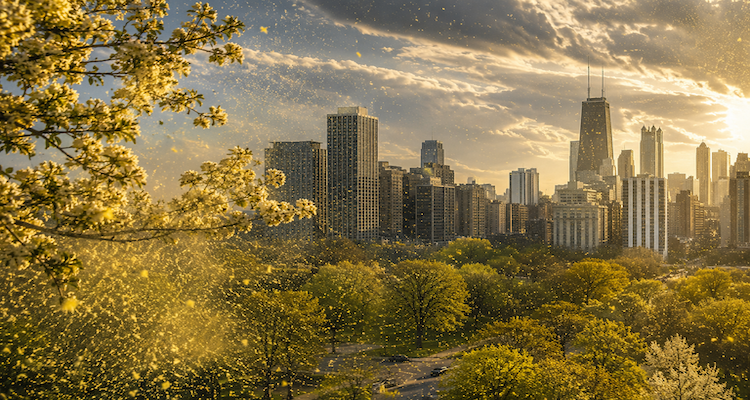
A generation ago, seasonal allergies were often seen as a predictable nuisance. People in certain regions expected a few weeks of sneezing, itchy eyes, and congestion during spring or fall, while others escaped relatively unaffected. Today, that predictability is beginning to fade. Communities that once experienced mild allergy seasons are reporting longer periods of discomfort, while some regions are encountering pollen-related challenges that were previously uncommon.
What makes this shift particularly significant is that it is not simply about having more pollen in the air. It is about a changing environmental landscape that is altering where allergenic plants thrive, when they release pollen, and how long they remain active. In effect, climate change is reshaping the geography of allergies, creating new patterns of exposure that affect millions of people.
For many individuals, the consequences are already becoming part of daily life. Allergy seasons appear to be arriving earlier, lasting longer, and affecting areas that historically faced lower risks. The result is a growing public health challenge that extends beyond seasonal discomfort.
A Changing Relationship Between Climate and Pollen
Plants respond closely to environmental conditions. Temperature, rainfall, humidity, and atmospheric carbon dioxide all influence plant growth and reproduction. When these conditions change, plant behavior changes as well.
Many allergy-triggering plants, including grasses, trees, and weeds, rely on pollen to reproduce. Warmer temperatures can extend growing seasons, allowing plants to begin releasing pollen earlier in the year and continue for longer periods. Changes in rainfall patterns may also create favorable conditions for certain species to spread into new territories.
This means that the pollen calendar many people have relied on for decades is becoming less reliable. Areas once dominated by one type of allergenic plant may gradually see the arrival of others, creating new combinations of seasonal triggers.
The implications are especially noticeable in regions experiencing rapid environmental shifts. As ecosystems adjust, so do the plants that inhabit them, bringing their pollen with them.
Why Allergy Seasons Seem Longer Than Before
One of the most widely discussed consequences of climate change is the extension of growing seasons. When winters become milder and spring temperatures arrive earlier, plants often begin their reproductive cycles sooner.
This can create a cascading effect throughout the year. Tree pollen may appear earlier in spring, grass pollen may remain active longer into summer, and weed pollen may persist further into autumn. Instead of distinct allergy seasons separated by periods of relief, many people experience overlapping exposures.
The practical impact can be substantial. Individuals who previously managed symptoms for a few weeks may now find themselves dealing with allergies for months. Healthcare providers, schools, and workplaces may also see increased disruptions as symptoms affect concentration, productivity, and overall well-being.
For families, this can alter everyday decisions—from outdoor activities and travel plans to home ventilation and air quality management.
New Regions, New Allergens
Perhaps the most underappreciated aspect of this trend is geographic expansion. As environmental conditions become suitable in new areas, certain allergenic plants can establish themselves where they were once uncommon.
This shift is not always dramatic or immediately visible. It often occurs gradually, as plant populations expand over time and local ecosystems adjust. Residents may begin experiencing allergy symptoms without realizing that the source is a relatively new addition to the local environment.
Urban areas face unique challenges. Cities often create localized warming effects due to dense infrastructure and limited vegetation diversity. These conditions can influence plant growth and pollen production, potentially increasing exposure for large populations concentrated in relatively small areas.
As a result, allergy risks are becoming less tied to historical expectations and more connected to evolving environmental conditions.
The Hidden Economic and Social Impact
Seasonal allergies are frequently treated as a minor health concern, yet their broader effects can be surprisingly significant.
Missed workdays, reduced productivity, disrupted sleep, and increased healthcare visits all carry economic consequences. Students struggling with allergy symptoms may find it harder to focus during critical academic periods. Outdoor workers may face additional challenges during peak pollen seasons.
Businesses that depend on outdoor experiences from tourism operators to event organizers may also feel indirect effects as environmental conditions influence visitor comfort and behavior.
An emerging insight is that allergies are becoming a climate adaptation issue. Discussions about climate resilience often focus on infrastructure, energy systems, or extreme weather. However, public health adaptation may increasingly require attention to everyday environmental exposures, including pollen.
This broader perspective helps explain why interest in allergy-related topics is growing. The issue touches health, economics, education, urban planning, and quality of life simultaneously.
Technology Is Changing How People Manage Allergies
As pollen patterns become less predictable, technology is playing a larger role in helping people navigate changing conditions.
Many weather and health applications now include pollen forecasts alongside temperature and precipitation data. Air quality monitoring tools are increasingly used to inform daily decisions about outdoor activities.
Smart home technologies are also influencing how people respond. Air purifiers, filtration systems, and connected indoor climate controls allow households to manage exposure more proactively.
What is notable is the shift in consumer behavior. Allergy management is evolving from a reactive approach taking medication after symptoms appear to a preventative strategy based on environmental awareness and real-time information.
This mirrors broader trends in health technology, where individuals increasingly seek personalized insights rather than generic recommendations.
What This Trend Reveals About a Larger Environmental Shift
The changing geography of allergies offers a unique lens through which to view climate change. Unlike distant projections or abstract environmental indicators, allergies create immediate and personal experiences.
People may not notice subtle changes in average temperatures over time, but they often notice when allergy symptoms arrive earlier, last longer, or become more severe. In this way, pollen can act as an everyday signal of broader environmental transformation.
The phenomenon also highlights the interconnected nature of environmental systems. A shift in climate affects plant behavior. Changes in plant behavior affect pollen production. Altered pollen patterns influence human health, productivity, and lifestyle choices.
What appears at first glance to be a simple seasonal inconvenience ultimately reflects a complex chain of ecological and societal changes.
Looking Ahead
The future of seasonal allergies will likely depend on a combination of environmental trends, public health responses, and individual adaptation strategies.
Researchers continue to study how changing climate conditions influence pollen production and plant distribution. Urban planners are increasingly considering environmental health factors when selecting vegetation for public spaces. Healthcare providers are paying closer attention to evolving allergy patterns among patients.
For individuals, awareness may become one of the most valuable tools. Understanding local pollen trends, monitoring environmental conditions, and taking preventative measures can help reduce the impact of longer and more unpredictable allergy seasons.
What is becoming increasingly clear is that seasonal allergies are no longer simply a matter of springtime discomfort. They are emerging as one of the many ways climate change is reshaping everyday life—quietly, gradually, and often in places where people least expect it.
This content is published for informational or entertainment purposes. Facts, opinions, or references may evolve over time, and readers are encouraged to verify details from reliable sources.