







Why Urban Trees Are Becoming Strategic Infrastructure in Modern Cities
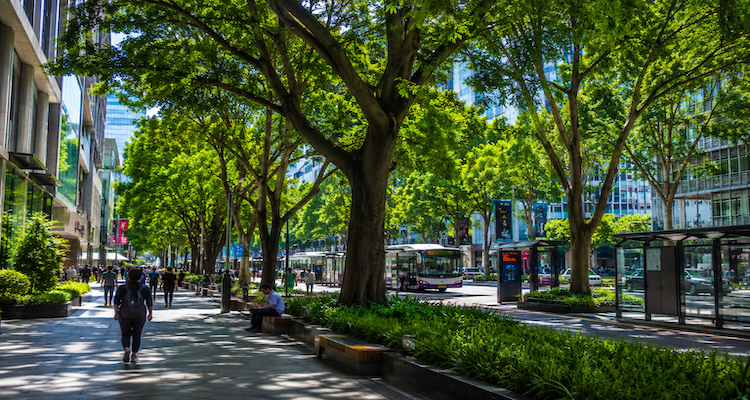
A tree planted along a city street used to be viewed as an aesthetic choice a way to soften concrete landscapes, beautify neighborhoods, or provide occasional shade. Today, that perception is changing rapidly. Across the world, urban trees are increasingly being treated not as decorative features but as essential infrastructure, standing alongside roads, drainage systems, power networks, and public transit.
This shift reflects a growing recognition that cities face a new set of challenges. Rising temperatures, heavier rainfall events, worsening air quality, and increasing pressure on public health systems are forcing urban planners to reconsider how cities function. In many cases, trees are proving to be one of the most cost-effective tools available for addressing multiple problems at once.
What makes this transformation particularly significant is that it reveals a broader change in how cities think about resilience. Urban trees are no longer simply part of the scenery. They are becoming active assets that help cities adapt, protect, and perform.
The Growing Cost of Urban Heat
One of the strongest drivers behind this change is the urban heat island effect. Dense concentrations of asphalt, concrete, glass, and steel absorb and retain heat, often making cities noticeably warmer than surrounding rural areas.
During heatwaves, this temperature difference can become more than a matter of comfort. Higher temperatures can increase energy consumption, strain electrical grids, worsen air pollution, and create serious health risks, particularly for older adults, children, and vulnerable populations.
Trees offer a remarkably practical response. Their canopies provide shade that cools streets, sidewalks, buildings, and public spaces. Through a process known as evapotranspiration, trees also release moisture into the air, helping lower surrounding temperatures.
As cities face increasingly frequent periods of extreme heat, urban forestry programs are being viewed less as environmental initiatives and more as public infrastructure investments designed to improve urban livability.
More Than Shade: A Multi-Function Asset
Traditional infrastructure often serves a single purpose. A road enables transportation. A drainage pipe moves water. A power line delivers electricity.
Trees are different because they perform multiple functions simultaneously.
A mature urban tree can help reduce heat, absorb stormwater, filter pollutants, improve biodiversity, reduce noise, enhance property values, and contribute to residents’ mental well-being. Few infrastructure assets offer such a wide range of benefits from a single investment.
This multi-functionality is one reason urban planners are paying closer attention to tree canopy coverage. Instead of measuring success solely through new construction projects, many cities are beginning to evaluate how natural systems contribute to urban performance.
The result is a growing movement toward integrating nature into city planning rather than treating it as a separate environmental concern.
Managing Water Through Living Infrastructure
Climate change is altering rainfall patterns in many regions. Some cities are experiencing longer dry periods punctuated by intense storms that overwhelm drainage systems.
Urban trees can play an important role in addressing this challenge. Their roots help absorb water, while their canopies intercept rainfall before it reaches the ground. This reduces runoff and can ease pressure on stormwater infrastructure.
In areas where traditional drainage systems are expensive to expand or upgrade, tree-based solutions often become attractive complements to engineered infrastructure.
This does not mean trees replace pipes, culverts, or flood-control systems. Instead, they become part of a broader network of resilience measures that work together to manage environmental stress.
Public Health Is Becoming Part of the Conversation
The growing importance of urban trees is also linked to public health.
Researchers and urban health experts have increasingly explored how access to green spaces influences physical and mental well-being. Tree-lined streets can encourage walking, improve neighborhood attractiveness, and create more comfortable outdoor environments.
There is also growing interest in the psychological effects of urban greenery. Many residents experience cities as increasingly dense, noisy, and digitally saturated environments. Trees provide a visible connection to nature that can help create a sense of balance within highly developed urban settings.
As healthcare systems and policymakers place greater emphasis on prevention and quality of life, investments in urban forests are beginning to intersect with broader health and wellness strategies.
The Hidden Economic Value of Urban Trees
One of the most overlooked aspects of urban trees is their economic significance.
Historically, trees were often viewed as maintenance expenses. Municipal budgets focused on planting costs, pruning schedules, and removal requirements. Today, many city governments and organizations are evaluating trees through a different lens.
When trees reduce cooling demands, lower stormwater management costs, improve neighborhood appeal, and help mitigate climate-related risks, they generate measurable value that extends beyond aesthetics.
Real estate markets frequently reflect this perception. Tree-rich neighborhoods are often associated with higher desirability and stronger community appeal. Businesses also benefit from attractive, walkable urban environments that encourage foot traffic and outdoor activity.
The emerging view is that trees are not simply costs to manage but assets that produce returns over time.
A New Planning Philosophy Is Emerging
Perhaps the most important shift is philosophical rather than environmental.
For decades, city development often treated nature as something separate from infrastructure. Urban growth focused primarily on engineered systems, while green spaces were considered optional amenities.
That distinction is becoming less clear.
Urban planners, architects, and policymakers increasingly discuss concepts such as green infrastructure, nature-based solutions, and climate-resilient design. These approaches recognize that natural systems can perform critical urban functions traditionally assigned only to engineered assets.
Trees are becoming a central example of this idea. Rather than asking where trees can fit within existing developments, planners are increasingly asking how urban development can be designed around the ecological services trees provide.
This represents a profound shift in urban thinking.
Why This Moment Feels Different
Cities have planted trees for generations. What makes the current moment different is the convergence of multiple pressures.
Climate adaptation, energy efficiency, public health concerns, biodiversity protection, and quality-of-life expectations are all influencing urban decision-making simultaneously.
As these challenges become more interconnected, solutions that address several issues at once become more valuable. Urban trees happen to fit that requirement remarkably well.
The growing interest is therefore not driven by a single environmental trend. It reflects a broader recognition that future cities must be designed to be more resilient, adaptable, and human-centered.
Looking Ahead
The future of urban development may depend as much on living systems as engineered ones.
Cities will continue to require roads, bridges, utilities, and digital networks. Yet the infrastructure of the future is likely to include something that previous generations often overlooked: thriving urban forests integrated into the fabric of everyday life.
The most successful cities may not be those that build the most infrastructure, but those that understand how natural and built systems can work together.
In that future, trees are no longer landscaping. They are part of the operating system of the city itself.
This content is published for informational or entertainment purposes. Facts, opinions, or references may evolve over time, and readers are encouraged to verify details from reliable sources.