







Why More Travelers Are Chasing Darkness Instead of Daylight
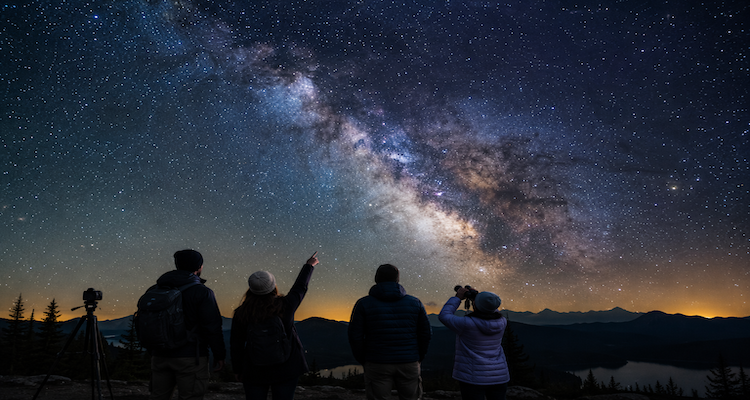
For generations, travel marketing revolved around sunshine. Brochures showcased bright beaches, clear skies, and endless daylight as symbols of the perfect getaway. Yet a surprising shift is quietly reshaping how people choose destinations. Increasingly, travelers are planning trips around darkness rather than daylight.
From remote deserts and mountain ranges to isolated islands and national parks, destinations known for exceptionally dark skies are attracting visitors seeking something many urban environments have lost: true night.
This emerging travel preference is about far more than stargazing. It reflects a growing desire to escape light pollution, digital overstimulation, crowded tourist hotspots, and the constant pace of modern life. In an age where cities rarely sleep and screens remain illuminated around the clock, darkness itself is becoming a sought-after experience.
The Growing Appeal of Dark-Sky Tourism
Dark-sky tourism refers to travel centered on locations where artificial light is minimal, allowing visitors to experience clear views of the night sky. These destinations often include protected parks, rural regions, deserts, high-altitude landscapes, and remote coastal areas.
For many travelers, the attraction begins with astronomy. Seeing the Milky Way stretch across the sky or witnessing a meteor shower without urban light interference offers a sense of wonder that many people have never experienced firsthand.
But astronomy is only part of the story.
Dark-sky destinations often provide a rare feeling of disconnection. Without bright city lights, advertising screens, traffic noise, and constant notifications, visitors encounter an environment that feels fundamentally different from everyday life. The absence of stimulation becomes part of the attraction.
In this sense, darkness is no longer viewed as something to avoid. It is increasingly seen as a luxury.
Why Cities Have Made Darkness Rare
The average urban resident experiences a world saturated with artificial light. Streetlights, office buildings, illuminated signs, vehicles, and electronic devices create an environment where true darkness is difficult to find.
As cities expand, light pollution continues to spread into surrounding regions. Many people can no longer see large portions of the night sky from their homes. For younger generations raised in highly urbanized areas, seeing thousands of stars at once can feel almost surreal.
This loss has transformed darkness into a scarce resource.
Just as travelers seek quiet destinations to escape noise pollution, many are now seeking dark destinations to escape light pollution. The experience offers a contrast that is increasingly difficult to find in daily life.
The Connection Between Darkness and Well-Being
Another reason interest is growing involves wellness.
Travel trends have increasingly moved toward experiences that promote mental restoration rather than nonstop activity. Travelers are looking for slower itineraries, nature immersion, and opportunities to recharge.
Dark environments naturally support these goals.
Without constant visual stimulation, people often become more aware of their surroundings. Night hikes, outdoor observation sessions, and evenings spent beneath open skies encourage a different pace of travel. Rather than rushing from attraction to attraction, visitors are encouraged to pause, observe, and reflect.
Some travelers describe dark-sky experiences as meditative. Others compare them to digital detox retreats. While individual experiences vary, the appeal often lies in the opportunity to experience stillness in a world that rarely slows down.
Destinations Turning Darkness Into an Attraction
Around the world, destinations are beginning to recognize darkness as an asset rather than a limitation.
Protected dark-sky parks have gained international attention for preserving natural nighttime environments. Regions with minimal light pollution are increasingly promoting astronomy events, guided night tours, astrophotography workshops, and overnight nature experiences.
Tourism organizations have also discovered that darkness can extend visitor activity beyond daytime hours. Instead of ending when the sun sets, experiences continue into the night through stargazing programs, nocturnal wildlife observation, and cultural storytelling events connected to the night sky.
For rural communities, this trend can create new tourism opportunities without requiring major infrastructure development. The very qualities that once seemed like disadvantages remoteness, low population density, and limited urban lighting—can become valuable attractions.
A Shift in What Travelers Value
Perhaps the most interesting aspect of this trend is what it reveals about changing consumer behavior.
For decades, travel was often associated with collecting experiences, checking landmarks off a list, and maximizing activity. Social media accelerated this mindset by rewarding highly visible, shareable moments.
Dark-sky travel represents a subtle departure from that model.
Instead of seeking more stimulation, many travelers are seeking less. Instead of chasing crowded attractions, they are pursuing environments that feel spacious, quiet, and contemplative.
This shift reflects a broader cultural movement toward experiences that offer emotional value rather than constant entertainment. The goal is not simply to see more places but to experience them more deeply.
That distinction may explain why darkness has become appealing. It creates conditions that encourage presence rather than distraction.
The Rise of Astrophotography and Night Experiences
Technology has also played an unexpected role in fueling interest.
Modern smartphone cameras and consumer photography equipment have made night-sky photography more accessible than ever before. Travelers who previously lacked specialized equipment can now capture stars, constellations, and celestial events with tools they already own.
Social platforms have amplified these experiences, exposing wider audiences to images of pristine night skies and inspiring interest in similar adventures.
Ironically, technology is helping people discover experiences centered on escaping technology.
The result is a growing awareness that remarkable travel moments do not always occur during daylight hours.
What This Trend Says About the Future of Travel
Dark-sky tourism is part of a larger transformation taking place across the travel industry.
Travelers are increasingly prioritizing authenticity, sustainability, wellness, and meaningful experiences. Rather than focusing exclusively on iconic landmarks, many are seeking environments that offer emotional connection and a sense of perspective.
Darkness delivers something that many destinations struggle to provide: awe.
Standing beneath a sky filled with stars can remind travelers of their place within a much larger world. It is an experience that feels both personal and universal, accessible yet increasingly rare.
As awareness of light pollution grows and urban environments become brighter, the demand for genuine darkness may continue to increase. Destinations capable of preserving natural nightscapes could find themselves at the center of a growing travel movement.
The most valuable travel resource of the future may not be sunshine, luxury, or convenience. It may be something far simpler—a place where the lights fade, the stars emerge, and people can reconnect with a night sky many have almost forgotten exists.
This content is published for informational or entertainment purposes. Facts, opinions, or references may evolve over time, and readers are encouraged to verify details from reliable sources.