










How Tourism Is Becoming an Unlikely Guardian of Biodiversity Hotspots
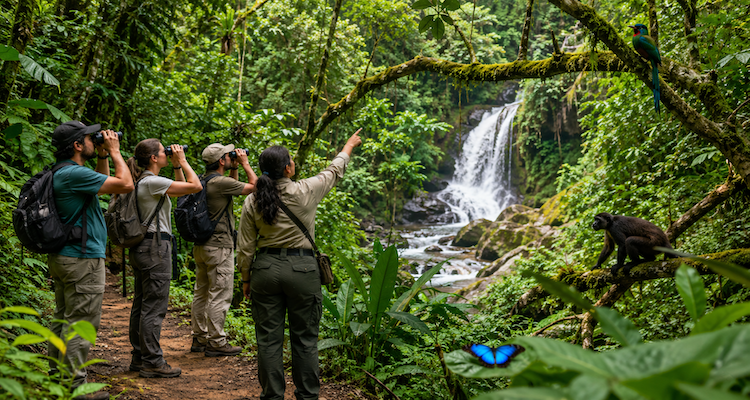
A remote rainforest, a coral reef teeming with marine life, or a mountain ecosystem filled with rare species may seem worlds apart from the tourism industry. Yet in many parts of the world, visitors are playing a surprisingly important role in protecting some of Earth’s most fragile biodiversity hotspots.
This shift challenges a long-standing assumption that tourism and conservation are naturally at odds. While poorly managed tourism can certainly damage ecosystems, a growing number of destinations are demonstrating that carefully planned visitor economies can help preserve habitats that might otherwise face far greater threats from logging, mining, unsustainable agriculture, or urban expansion.
The relationship is not always straightforward. However, as governments, local communities, and conservation organizations search for sustainable ways to protect biodiversity, tourism is increasingly emerging as an unexpected ally.
Why Biodiversity Hotspots Need New Sources of Protection
Biodiversity hotspots are regions that contain exceptional concentrations of plant and animal species, many of which exist nowhere else on Earth. These areas are often under pressure from habitat loss, climate change, pollution, and economic development.
Conservation efforts require funding, local support, and long-term incentives. Protected status alone is not always enough. In many cases, conservation initiatives struggle when nearby communities see few economic benefits from preserving natural landscapes.
This is where tourism can alter the equation.
When visitors travel specifically to experience wildlife, forests, wetlands, coral reefs, or unique ecosystems, those natural assets begin generating economic value without being extracted or destroyed. Local businesses, guides, transportation providers, accommodations, and service industries all benefit from keeping the environment intact.
The result is a powerful shift in incentives: preserving biodiversity can become more profitable than exploiting it.
The Rise of Nature-Based Travel
Travel preferences have changed significantly over the past decade. Many travelers are no longer seeking only traditional sightseeing experiences. Increasingly, they are looking for meaningful connections with nature, wildlife, and local cultures.
National parks, marine reserves, birdwatching destinations, wilderness areas, and eco-tourism experiences have gained broader appeal among travelers who want experiences that feel authentic and environmentally responsible.
This growing demand creates opportunities for conservation-oriented destinations.
Countries known for their biodiversity including Costa Rica, Rwanda, Botswana, Ecuador, and New Zealand have invested heavily in nature-focused tourism. Their experiences illustrate how conservation and tourism can reinforce one another when managed carefully.
Visitors are often willing to pay entrance fees, conservation charges, guided tour fees, or eco-certification premiums that directly or indirectly support environmental protection efforts.
Conservation Through Economic Incentives
One of the most overlooked aspects of biodiversity protection is economics.
Conservation discussions frequently focus on science, policy, and environmental ethics. Yet local communities often face practical decisions about land use and livelihoods.
If preserving a forest creates jobs, income, and business opportunities, support for conservation can grow significantly.
For example, communities living near protected wildlife areas may benefit from guiding services, eco-lodges, handicrafts, transportation, or conservation-related employment. As tourism revenue becomes linked to healthy ecosystems, local stakeholders gain a direct interest in maintaining environmental quality.
This economic connection can be particularly important in developing regions where conservation goals compete with immediate financial pressures.
The key insight is that biodiversity protection becomes more resilient when it is tied not only to environmental values but also to local prosperity.
Tourism Is Changing How Conservation Is Funded
Traditional conservation funding often relies on government budgets, grants, or charitable donations. While these sources remain essential, they can be vulnerable to political shifts and economic downturns.
Tourism introduces a different funding stream.
Park entrance fees, visitor permits, eco-tourism programs, and private conservation initiatives can generate recurring revenue that helps support habitat restoration, wildlife monitoring, research, and enforcement activities.
Marine protected areas provide a useful example. In some coastal destinations, diving and snorkeling tourism create strong incentives to maintain healthy coral reef ecosystems. Healthy reefs attract visitors, while degraded reefs reduce tourism value.
This creates a feedback loop where environmental protection supports economic activity, which in turn supports further conservation.
The model is not perfect, but it offers a level of financial sustainability that many conservation programs seek.
The Hidden Role of Local Communities
Perhaps the most important factor in successful biodiversity tourism is community participation.
For decades, some conservation projects struggled because local residents were excluded from decision-making or received limited benefits from protected areas. Modern conservation strategies increasingly recognize that long-term success depends on local support.
Tourism can provide that connection.
When communities help manage tourism activities, guide visitors, operate businesses, or participate in conservation planning, environmental protection becomes a shared interest rather than an external requirement.
This approach often leads to stronger stewardship of natural resources and greater resilience against illegal activities such as poaching or habitat destruction.
In many cases, local knowledge also improves visitor experiences while strengthening cultural preservation alongside biodiversity protection.
The Risks of Getting It Wrong
Tourism is not automatically beneficial for biodiversity.
Unregulated visitor growth can damage fragile ecosystems, disturb wildlife, increase waste, strain water resources, and contribute to habitat degradation. Popular destinations around the world have faced challenges associated with overtourism, demonstrating that conservation and tourism must remain carefully balanced.
The difference lies in management.
Visitor limits, protected zones, environmental regulations, sustainable infrastructure, and responsible tourism practices are essential for ensuring that tourism supports rather than undermines conservation goals.
The most successful biodiversity destinations often prioritize quality over quantity, focusing on sustainable visitor experiences rather than maximizing tourist numbers.
This shift reflects a broader evolution in how the travel industry views environmental responsibility.
What This Trend Reveals About the Future
The growing connection between tourism and biodiversity highlights a larger trend in global sustainability efforts.
Conservation is increasingly moving beyond the idea that nature must simply be fenced off and protected from human activity. Instead, many successful models are finding ways to align environmental protection with economic opportunity.
Travel sits at the center of this transition because it transforms natural ecosystems into renewable assets rather than extractive resources.
As travelers become more environmentally conscious and destinations seek sustainable development strategies, biodiversity-focused tourism is likely to play an increasingly significant role in conservation planning.
The future of many biodiversity hotspots may depend not only on environmental policies but also on whether local communities, governments, businesses, and visitors can work together to create lasting incentives for preservation.
That possibility represents one of tourism’s most unexpected contributions. Far from being merely a consumer of natural beauty, tourism is gradually becoming a mechanism through which some of the world’s most valuable ecosystems can survive, adapt, and thrive.
This content is published for informational or entertainment purposes. Facts, opinions, or references may evolve over time, and readers are encouraged to verify details from reliable sources.