










How Extreme Heat Is Reshaping the Economics of Electricity Around
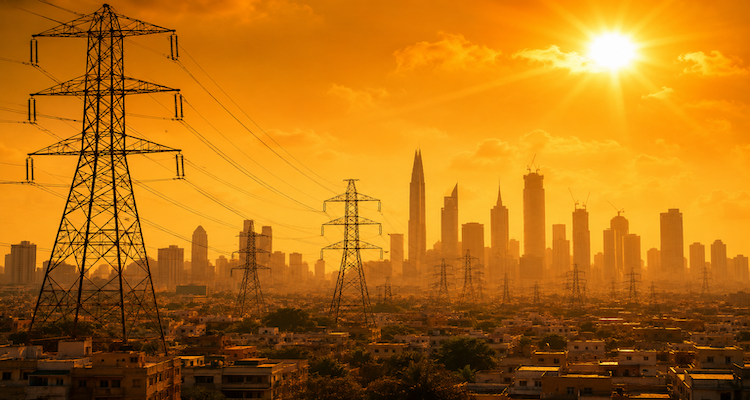
Electricity has always been shaped by supply and demand. What is changing now is the force driving both sides of that equation. Across continents, extreme heat is emerging as one of the most influential factors in energy markets, altering consumption patterns, stressing infrastructure, and forcing governments, utilities, and businesses to rethink how electricity is generated, delivered, and priced.
The effects extend far beyond uncomfortable summer days. Heat waves are increasingly becoming economic events. They influence household budgets, industrial productivity, utility investment decisions, and even national energy security strategies. As temperatures rise in many parts of the world, the economics of electricity are being rewritten in ways that affect nearly everyone.
When Hot Weather Becomes an Energy Market Shock
For decades, electricity demand followed relatively predictable patterns. Winter heating needs dominated in colder regions, while summer cooling created seasonal spikes in warmer climates. Today, extreme heat is pushing those patterns to new extremes.
Air conditioning has become one of the fastest-growing sources of electricity demand globally. During major heat waves, millions of homes, offices, shopping centers, hospitals, and data centers simultaneously increase electricity consumption. This surge can place enormous pressure on power grids.
Unlike gradual demand growth, heat-driven demand often arrives suddenly. Utilities may need to activate additional power generation capacity, purchase expensive electricity from neighboring markets, or implement emergency measures to prevent outages.
In many regions, the highest electricity prices of the year now occur during periods of extreme heat. These spikes reveal a growing reality: climate conditions are becoming a major economic variable in energy planning.
The Hidden Cost of Keeping Cool
The most visible impact of extreme heat is the rising cost of cooling.
Households in cities already experiencing prolonged heat waves often see significant increases in electricity bills during summer months. Businesses face similar challenges. Retail stores, office buildings, warehouses, and manufacturing facilities consume more energy simply to maintain safe and productive indoor environments.
For industries that rely on temperature-sensitive operations, cooling is no longer a minor operating expense. It is becoming a strategic cost consideration.
The situation is especially significant in developing economies, where air conditioner ownership is expanding rapidly as incomes rise. Millions of first-time buyers are entering the market not because cooling is a luxury, but because it is increasingly viewed as a necessity.
This creates a feedback loop. Hotter temperatures drive greater air conditioning adoption, which increases electricity demand, requiring more investment in generation and transmission infrastructure.
Why Power Systems Struggle During Heat Waves
Extreme heat affects more than demand. It can also reduce the efficiency of energy systems themselves.
Power plants often depend on water for cooling. During exceptionally hot periods, water temperatures may rise, making cooling processes less effective. Some facilities may need to reduce output to operate safely.
Transmission lines also become less efficient in high temperatures. As metal conductors heat up, they expand and sag, limiting the amount of electricity they can safely carry.
Solar panels, despite benefiting from sunny conditions, can experience reduced efficiency when temperatures become excessively high. Batteries and other energy storage technologies also require thermal management systems to maintain performance.
The result is a challenging combination: demand rises sharply at the same time portions of the electricity system may become less efficient.
This dual pressure increases costs throughout the energy value chain.
A New Investment Race Is Emerging
One of the most significant economic shifts involves infrastructure investment.
Utilities around the world are increasingly allocating capital toward grid modernization, energy storage systems, demand-response programs, and more resilient transmission networks.
Historically, power systems were designed around average conditions. Today’s planners must prepare for extreme scenarios that occur more frequently and last longer.
This means building infrastructure capable of handling peak demand events that may only occur several days each year. While necessary, such investments raise important economic questions. Who pays for capacity that is only occasionally used? How should utilities recover those costs? And how can governments balance affordability with resilience?
These questions are becoming central to energy policy discussions in many countries.
The Data Center Challenge
The rise of artificial intelligence, cloud computing, and digital services adds another layer to the story.
Modern data centers require substantial amounts of electricity. They also generate heat internally and depend on cooling systems to maintain reliable operation.
As global temperatures rise, cooling demands within data centers can increase. Operators may need to invest in more advanced cooling technologies, relocate facilities to cooler climates, or seek regions with abundant renewable energy and stable power supplies.
This creates an interesting economic dynamic. The digital economy depends on reliable electricity, yet the infrastructure supporting that economy becomes more expensive to operate during periods of extreme heat.
In some cases, future decisions about where to build major technology facilities may be influenced as much by climate conditions as by traditional factors such as taxes or labor costs.
Consumers Are Becoming Active Participants
One underreported consequence of extreme heat is how it is changing consumer behavior.
Historically, most electricity users paid little attention to when they consumed power. Today, time-of-use pricing programs, smart thermostats, connected appliances, and home energy management systems are encouraging more active participation.
As electricity prices fluctuate during heat-driven demand peaks, consumers are increasingly being rewarded for shifting energy use to off-peak periods.
This represents a subtle but important transformation. Instead of being passive consumers, households are gradually becoming participants in energy markets.
The trend could accelerate as smart technologies become more affordable and utilities seek new ways to reduce strain on power grids.
Renewable Energy Gains New Importance
Extreme heat is also influencing discussions about renewable energy.
Solar generation often aligns with daytime cooling demand, making it an attractive resource during hot weather. However, solar production alone cannot fully address peak demand challenges, particularly during evening hours when air conditioning use remains high but sunlight declines.
This is increasing interest in battery storage, grid flexibility, and diversified energy portfolios.
Rather than viewing electricity generation as a simple question of producing more power, many energy planners now focus on producing the right power at the right time.
The economics of flexibility are becoming just as important as the economics of generation.
What This Trend Reveals About the Future
The growing relationship between extreme heat and electricity costs reflects a broader shift occurring across the global economy.
Climate conditions are no longer merely environmental considerations. They are becoming operational, financial, and strategic variables.
Energy systems designed for historical weather patterns may need significant adaptation as heat waves become more common in many regions. Businesses may reconsider facility locations. Cities may invest more heavily in energy-efficient buildings. Consumers may prioritize efficient appliances and home upgrades.
Perhaps the most important insight is that the value of resilience is rising. For decades, energy systems focused heavily on efficiency and cost reduction. Increasingly, resilience—the ability to withstand extreme conditions without disruption—is becoming an economic asset in its own right.
The future of electricity will not be determined solely by fuel prices, technology innovation, or government policy. It will also be shaped by how societies respond to a warmer world and the growing demand for reliable cooling.
As extreme heat becomes a defining feature of the global energy landscape, the economics of electricity are evolving from a question of supply and demand into a question of adaptation. The regions that successfully balance affordability, reliability, and resilience may gain a significant advantage in the decades ahead.
The information presented in this article is based on publicly available sources, reports, and factual material available at the time of publication. While efforts are made to ensure accuracy, details may change as new information emerges. The content is provided for general informational purposes only, and readers are advised to verify facts independently where necessary.
Related News
- The Energy Paradox of Efficiency: Why Using Less Electricity Does Not Always Mean Using Less Energy
- Why Extreme Weather Is Turning Electricity Resilience Into an Everyday Consumer Issue
- Why Energy Independence Is Becoming a Household Decision, Not Just a National Strategy
- The Hidden Energy Cost of Keeping Everything Available Instantly