





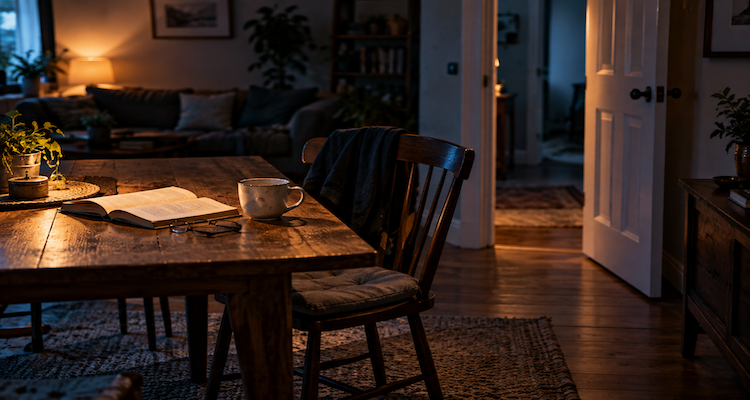




Why People Are Designing Their Homes Around Mental Wellness Instead of Style
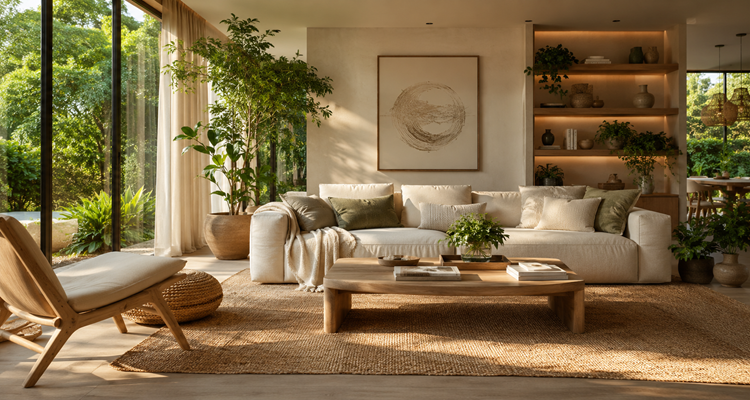
A beautiful home was once measured by its appearance. Clean lines, trendy furniture, and carefully curated décor often defined what good design looked like. Today, a different priority is quietly reshaping living spaces: how a home makes people feel.
The shift is subtle but significant. More homeowners and renters are asking whether a room feels calming, supports focus, reduces stress, or encourages better sleep. Instead of designing spaces primarily for visual impact, many are designing them around mental wellness.
This change reflects a broader realization that our surroundings influence far more than aesthetics. The layout of a room, the amount of natural light, the level of noise, and even the presence of plants can shape daily experiences in ways that are easy to overlook.
The Home Has Become More Than a Place to Live
For much of modern history, homes served as places to rest between work, school, and social activities. Today, the boundaries between these activities have become less distinct.
Many people now work remotely, study online, manage personal projects, exercise, and socialize digitally from the same space. As homes take on more functions, the emotional impact of the environment becomes harder to ignore.
A room that feels cluttered, noisy, or overstimulating can make concentration more difficult. Conversely, a space designed to support comfort and balance can make daily routines feel more manageable.
The result is a growing interest in design choices that prioritize well-being over visual trends.
Why Mental Wellness Is Influencing Interior Design
The connection between environment and emotional state is not a new idea. What has changed is how consciously people are applying it to their homes.
Rather than chasing the latest design trend, many homeowners are asking practical questions:
Does this space help me relax?
Can I focus here without distractions?
Does this room feel comfortable at different times of day?
Will this design still support my lifestyle a year from now?
These questions shift the focus from appearance alone to experience. The goal is not necessarily to create a perfect-looking home but a home that supports daily mental and emotional needs.
Natural Light Has Become a Priority
One of the most noticeable changes in wellness-focused design is the emphasis on natural light.
Large windows, lighter color palettes, and layouts that maximize daylight are increasingly valued. People often seek spaces that feel open and bright rather than visually dramatic but dim.
Natural light can influence how a room feels throughout the day. Bright spaces often feel more energizing in the morning, while softer lighting can create a sense of calm in the evening.
As a result, lighting is no longer viewed as a purely decorative element. It has become part of how people shape the mood and function of their homes.
The Growing Demand for Quiet Spaces
Modern life is filled with notifications, traffic noise, streaming content, and constant digital engagement. In response, many people are seeking greater control over their home environment.
Sound-absorbing materials, soft furnishings, rugs, curtains, and designated quiet areas are becoming more common. Some homeowners are even creating rooms or corners specifically intended for reading, reflection, or uninterrupted work.
This trend highlights a simple but powerful idea: reducing sensory overload can be just as important as adding attractive design features.
A peaceful space often delivers value long after a decorative trend has faded.
Bringing Nature Indoors
Nature-inspired design continues to gain popularity because it addresses both aesthetic and emotional needs.
Indoor plants, natural materials, earthy color schemes, and organic textures help create a stronger connection between indoor and outdoor environments. Wood, stone, linen, and other natural elements are increasingly chosen for their ability to make spaces feel grounded and welcoming.
The appeal goes beyond visual beauty. Nature-inspired environments often feel less artificial and more restorative, especially for people who spend large portions of their day indoors.
This preference reflects a broader cultural movement toward balance, simplicity, and intentional living.
The Rise of Digital-Free Zones
Perhaps one of the most interesting developments in wellness-focused design is the emergence of technology-free areas within the home.
Bedrooms, reading corners, dining spaces, and relaxation areas are increasingly being designed to minimize digital distractions. The goal is not to eliminate technology entirely but to create moments where attention can shift away from screens.
This reflects a growing awareness that constant connectivity can make it difficult to fully relax.
By creating physical spaces associated with rest, conversation, or reflection, people are using design as a tool to establish healthier boundaries with technology.
A Valuable Insight: Wellness Design Is Becoming Preventive Design
One of the most important shifts is that wellness-focused homes are not merely reacting to stress, they are attempting to prevent it.
Traditional home design often focused on solving visible problems such as storage limitations or outdated aesthetics. Wellness-oriented design focuses on reducing hidden friction before it becomes overwhelming.
For example, a dedicated workspace may reduce distractions before they affect productivity. A calming bedroom environment may encourage better evening routines. A clutter-free living area may make daily tasks feel less mentally demanding.
This preventive mindset is transforming how people evaluate the success of a living space. A room is no longer judged only by how it looks but by how effectively it supports everyday life.
Businesses Are Responding to the Trend
The growing focus on mental wellness is influencing industries far beyond interior design.
Furniture companies are highlighting comfort and functionality. Smart lighting systems are increasingly marketed around mood and daily routines. Home improvement brands are emphasizing peaceful environments, flexible spaces, and wellness-oriented features.
Even real estate marketing has begun reflecting this shift. Features such as natural light, outdoor access, quiet workspaces, and wellness-friendly layouts are receiving greater attention.
The message is clear: people increasingly view their homes as tools for supporting overall quality of life.
What Comes Next
The move toward wellness-centered design does not mean style is disappearing. Rather, style is being redefined.
Instead of choosing design elements solely because they are fashionable, people are increasingly selecting them because they contribute to comfort, focus, relaxation, or emotional balance.
Future homes may continue blending aesthetics with psychology, creating spaces that look appealing while also supporting healthier daily experiences.
As lifestyles become more complex and digital demands continue to grow, the desire for homes that feel restorative rather than merely impressive is likely to remain strong.
A home’s layout, lighting, noise level, and atmosphere may never be as visible as a statement piece of furniture. Yet these invisible qualities often shape daily well-being far more than people realize. That realization is changing the way homes are designed and perhaps redefining what good design truly means.
This content is published for informational or entertainment purposes. Facts, opinions, or references may evolve over time, and readers are encouraged to verify details from reliable sources.