








Why More Travelers Want to Live Like Locals, Not Tourists
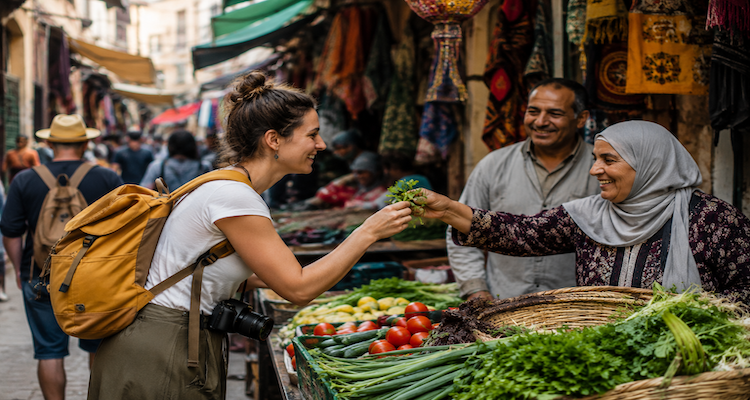
The souvenir shop is no longer the center of many travel experiences. Instead of rushing between landmarks, checking off attractions, and returning home with a camera roll full of famous sights, a growing number of travelers are choosing a different approach. They are spending more time in one place, shopping at neighborhood markets, working from local cafés, and participating in daily routines that residents take for granted.
This shift is changing not only how people travel but also what they hope to gain from the experience. Travel is increasingly becoming less about seeing a destination and more about understanding it. The goal is no longer simply to visit a place. It is to briefly become part of it.
The trend reflects a broader cultural change in how people define meaningful experiences, identity, and connection in an increasingly digital world.
The End of the Checklist Vacation
For decades, tourism often followed a familiar formula. Travelers arrived with a list of must-see attractions, spent a few days moving quickly from one landmark to another, and then departed for the next destination.
That model still exists, but many travelers are beginning to question its value.
Social media, travel blogs, and online reviews have made iconic destinations more accessible than ever. Ironically, that accessibility has also made some experiences feel predictable. When millions of people photograph the same viewpoint and follow the same itinerary, the experience can start to feel less personal.
As a result, many travelers are seeking something that cannot be replicated through a search engine or social media feed: genuine immersion.
They want to discover the neighborhood bakery that locals recommend, learn the rhythm of a city’s daily life, and experience moments that are unlikely to appear in a travel brochure.
Why Authenticity Has Become the New Luxury
Luxury travel was once associated with exclusive resorts, premium services, and carefully curated experiences. Today, authenticity is increasingly becoming its own form of luxury.
Many travelers value experiences that feel real rather than staged. A conversation with a local shop owner, participation in a community event, or understanding regional customs often leaves a stronger impression than another visit to a crowded tourist attraction.
This does not mean travelers are abandoning comfort. Instead, they are prioritizing experiences that create a deeper sense of place.
The popularity of homestays, neighborhood rentals, cultural workshops, food tours led by residents, and community-based tourism reflects this changing preference. Travelers are willing to invest time and money in experiences that offer insight rather than simply entertainment.
Remote Work Changed the Relationship Between Travel and Place
One major factor behind this shift is the growing flexibility of work.
Remote and hybrid work arrangements have made it possible for some people to spend weeks or even months in destinations that would previously have been limited to short vacations.
Instead of seeing travel as a temporary escape from daily life, many individuals now blend travel and everyday living. They work during the day, shop for groceries locally, develop routines, and build temporary connections within communities.
The rise of digital nomad lifestyles has amplified this trend, but it extends beyond remote workers. Retirees, freelancers, students, and long-term travelers are also embracing slower forms of exploration.
When people stay longer, their priorities naturally change. They become less interested in collecting attractions and more interested in understanding how a place functions.
Travelers Are Searching for Human Connection
Behind the desire to become a temporary local lies a deeper motivation: connection.
Many aspects of modern life have become increasingly digital. Shopping, communication, entertainment, and even work often happen through screens. While technology offers convenience, it can also create a sense of distance from communities and physical environments.
Travel provides an opportunity to reverse that feeling.
Learning a few words of a local language, attending a neighborhood gathering, or sharing a meal with residents creates a type of connection that digital interactions cannot easily replicate.
For many travelers, these experiences become the most memorable part of a trip, not because they are spectacular, but because they feel personal.
The Hidden Economic Impact
The shift toward local-style travel also has economic implications.
Traditional tourism often concentrates spending around major attractions, large hotels, and established tourism districts. Travelers seeking local experiences frequently distribute their spending more broadly throughout communities.
Independent cafés, family-owned restaurants, neighborhood markets, local guides, artisans, and small businesses may benefit from visitors who spend time outside traditional tourist zones.
This does not automatically solve challenges associated with tourism. Popular destinations still face concerns about overcrowding, housing pressures, and environmental impacts. However, the trend highlights an important possibility: travel can support local economies in more diverse ways when visitors engage more deeply with communities.
A New Definition of Travel Success
One of the most interesting aspects of this trend is how it changes the way people measure a successful trip.
Traditional tourism often focuses on quantity: How many cities were visited? How many attractions were seen? How many photos were taken?
The temporary-local mindset emphasizes quality instead.
Success becomes linked to experiences such as understanding local customs, discovering favorite neighborhood spots, building relationships, or gaining a different perspective on everyday life.
This represents a broader shift in consumer behavior. Across many industries, people are increasingly prioritizing meaningful experiences over simple consumption. Travel is becoming another expression of that value system.
What This Trend Reveals About Modern Culture
The growing appeal of local-style travel reveals something larger than changing vacation preferences.
It suggests that many people are searching for a stronger sense of belonging in a fast-moving and highly connected world. Travel is no longer only about escape. It is becoming a way to explore alternative ways of living, working, and connecting with others.
In some cases, travelers return home with practical insights about community, lifestyle, sustainability, or work-life balance. The experience can influence how they think about their own routines and priorities.
The destination becomes more than a place on a map. It becomes a temporary lens through which people examine their own lives.
What Comes Next
As travelers continue seeking deeper experiences, the tourism industry is likely to adapt.
Destinations may place greater emphasis on cultural immersion, community participation, local storytelling, and longer stays. Businesses that help visitors engage meaningfully with neighborhoods rather than simply observe them could become increasingly valuable.
Not every traveler will want to become a temporary local, and traditional sightseeing will remain popular. Yet the growing interest in slower, more immersive travel suggests that expectations are changing.
People are discovering that the most memorable journeys are not always defined by what they see. Often, they are defined by how deeply they experience a place and how briefly they feel they belong there.
This content is published for informational or entertainment purposes. Facts, opinions, or references may evolve over time, and readers are encouraged to verify details from reliable sources.