



Why Longevity Culture Is Changing the Way People Think About Normal Aging
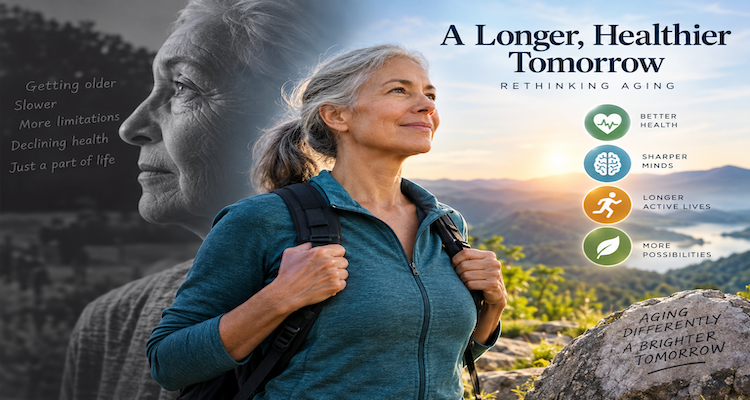
For much of modern history, aging was treated as a largely unavoidable progression: people grew older, physical capacity gradually declined, and certain illnesses were simply considered part of getting old. Longevity culture is challenging that assumption.
The growing interest in healthspan, preventive health, exercise, nutrition, wearable technology, biological-age measurements and emerging longevity research is changing the question people ask about aging. Instead of asking only, “How long will I live?” many are increasingly asking, “How long can I remain healthy, independent and capable?”
That distinction matters. The scientific study of aging does not say that every age-related change can be prevented or reversed. In fact, researchers continue to distinguish normal biological changes from disease, while recognizing that people age at very different rates. The National Institute on Aging’s Baltimore Longitudinal Study of Aging has found that there is no single chronological timetable for human aging and that changes associated with aging do not inevitably lead to diseases such as dementia, diabetes or hypertension.
The result is a cultural shift with consequences extending beyond medicine. Longevity is becoming a way of thinking about lifestyle, work, technology, consumption and even identity. But the same culture that encourages people to remain active and independent can also create unrealistic expectations about what aging should look like.
Key Takeaways
- Longevity culture is shifting attention from simply extending lifespan toward preserving health, function and independence.
- Scientific research shows that chronological age alone does not determine how quickly individuals experience physical or cognitive decline.
- Healthy aging is broader than avoiding disease; it includes mobility, relationships, purpose, participation and the ability to make decisions.
- Wearables, health tracking and online information can support prevention but can also encourage excessive self-monitoring or misinformation.
- The growing longevity economy is changing how businesses think about healthcare, finance, work, housing and services for older populations.
- A healthier view of aging may mean accepting some biological change while refusing to treat disease, disability or social exclusion as inevitable.
From “Getting Old” to Measuring Healthspan
One of the most important changes in longevity culture is the growing distinction between lifespan and healthspan.
Lifespan refers broadly to how long a person lives. Healthspan is generally used to describe the period of life spent in relatively good health and functional capacity. Researchers do not use one universally standardized definition of healthspan, but the concept has become increasingly important because living longer is not necessarily the same as living well.
The distinction changes the goal.
If the only objective is a longer lifespan, an additional year of life can be considered a success regardless of physical independence or quality of life. A healthspan perspective asks a different question: Can people remain mobile, mentally capable, socially connected and able to participate in activities that matter to them for more of their lives?
That idea closely resembles the World Health Organization’s definition of healthy aging, which focuses on maintaining the functional ability that enables well-being in older age.
This is a significant cultural departure from treating age itself as the primary measure of health.
Normal Aging Is More Complicated Than People Think
The phrase “normal aging” can be misleading.
Some biological changes occur as people grow older. Muscle mass, bone density, cardiovascular function, sensory abilities and other systems can change over time. But aging does not happen at the same speed in every person, and an age-related change is not automatically a disease.
Research from the National Institute on Aging’s Baltimore Longitudinal Study of Aging has helped establish an important distinction: normal aging should not simply be equated with illness.
Dementia, for example, is not considered an inevitable part of aging. Nor does growing older mean that a person must become physically inactive, socially isolated or incapable of learning new skills.
This distinction is increasingly relevant because longevity culture can sometimes produce an unintended paradox. It may challenge the idea that decline is inevitable while simultaneously creating the impression that every sign of aging is a problem that must be eliminated.
Neither extreme accurately describes the science.
Aging involves real biological changes. But there is also considerable variation in how those changes affect individuals.
Why Technology Has Become Part of the Longevity Conversation
Technology has given people new ways to observe their health between traditional medical appointments.
Smartwatches and fitness trackers can monitor activity, heart rate and sleep-related measures. Digital health platforms can organize health information. Consumers can increasingly track exercise patterns, nutrition, body composition and other indicators.
This has changed the psychological relationship many people have with aging.
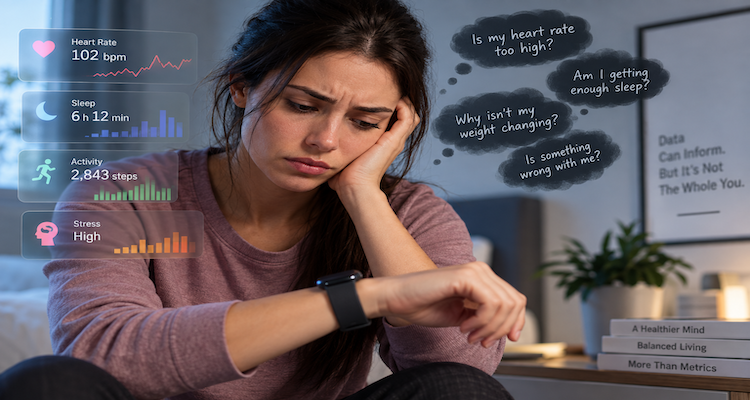
Instead of waiting for an obvious health problem, people can become more focused on measurements that appear to indicate whether they are “aging well.” The attraction is understandable: numbers can make an abstract process feel measurable.
But measurement has limits.
A biological-age score, wearable metric or wellness dashboard is not equivalent to a comprehensive assessment of someone’s health. Even the scientific concept of healthspan itself does not yet have one standardized definition across research.
This matters because longevity culture can turn measurement into a form of reassurance or anxiety. A person may become preoccupied with improving a number without understanding whether the number has meaningful consequences for their long-term health.
Technology is therefore most useful when it helps people make better-informed decisions rather than when it turns aging into a permanent performance test.
The Lifestyle Side of Longevity Is Less Exotic Than the Marketing
The public image of longevity can sometimes focus on futuristic interventions, specialized clinics, supplements or experimental treatments.
Yet much of the evidence-based foundation of healthy aging is considerably less glamorous.
Physical activity remains important. The National Institute on Aging notes that exercise can benefit older adults at any age and can support cardiovascular health, physical function, mental well-being and management of some chronic conditions.
Nutrition, adequate sleep, social connection and meaningful activity also matter.
A 2026 population-cohort study using UK Biobank data examined combinations of sleep, physical activity and diet in relation to lifespan and healthspan. The study illustrates an important point about longevity research: multiple everyday behaviors can interact, rather than there being one single “longevity hack.”
Recent systematic-review evidence has also found support for exercise and multidomain interventions in improving measures of intrinsic capacity and quality of life, while emphasizing that evidence for many other proposed healthspan interventions remains insufficient.
That is an important corrective to the commercial side of longevity culture.
The most useful question may not be, “What new product can make me younger?”
It may be, “What can help me preserve the abilities I value for longer?”
Longevity Culture Is Also Changing the Meaning of Age
The cultural impact goes beyond health behavior.
If people increasingly expect to remain active into their 60s, 70s, 80s and beyond, traditional assumptions about what those decades are supposed to look like begin to change.
Retirement, work, education, relationships, travel, volunteering and physical activity no longer fit neatly into rigid age categories.
The WHO’s healthy-aging framework explicitly emphasizes the ability to learn, make decisions, remain mobile, build relationships and contribute to society. In that framework, an older person is not defined simply by medical needs but by what they are able to do and what their environment allows them to do.
This is where longevity culture can have a constructive effect. It can encourage society to stop treating older age as a single, uniform experience.
An 80-year-old who remains physically active and socially engaged and an 80-year-old who requires substantial assistance may have the same chronological age but very different circumstances.
Age alone tells only part of the story.
The Risk: When Healthy Aging Becomes an Obligation
There is another side to the longevity movement.
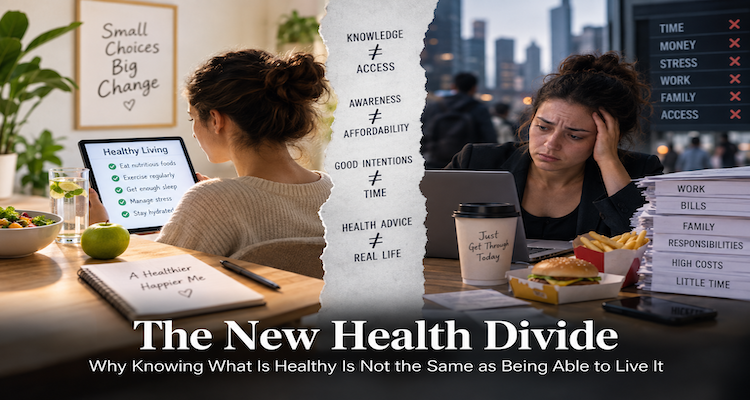
The message that people can influence how they age can be empowering. But it can become problematic if it turns aging into an individual responsibility in which every decline is interpreted as a personal failure.
Not every health outcome is determined by lifestyle choices. Genetics, disease, socioeconomic circumstances, education, environment, access to healthcare and accumulated advantages and disadvantages across the life course all influence how people age.
The WHO also identifies ageism as a major barrier to healthy aging. Its definition includes stereotypes, prejudice and discrimination based on age, including attitudes people direct toward themselves.
This creates an important tension.
A society can encourage healthy behaviors without implying that older people are valuable only when they appear young, productive or physically fit.
Healthy aging should not mean disguising age.
It should mean giving people a better chance to live with dignity, independence and participation while recognizing that illness, disability and dependence can also be part of human life.
The Longevity Economy Is Expanding the Conversation
Population aging is also changing business.
The World Economic Forum’s work on the “longevity economy” points to implications for retirement systems, financial planning, caregiving, long-term care and employment. As populations live longer and birth rates decline in many countries, businesses and governments face questions that extend far beyond healthcare.
What happens when people spend more years in retirement?
How should financial products change when working lives become less predictable?
How should workplaces accommodate older employees?
What kinds of housing and community infrastructure support independence?
How should technology be designed for people with changing sensory, physical or cognitive abilities?
These are not hypothetical questions. Population aging is already forcing societies to reconsider how services and institutions are designed.
The most interesting consequence of longevity culture may therefore be broader than the search for longer life. It could encourage businesses and governments to redesign the systems surrounding longer lives.
The Information Problem Behind the Longevity Boom
There is one reason consumers should remain cautious: the internet has made longevity information abundant without making it equally reliable.
A supplement, test, diet or intervention can become popular online long before strong evidence establishes its long-term benefits and risks.
Research published in 2025 found substantial prevalence of health misinformation among older adults across the studies included in its meta-analysis, although the researchers also noted methodological variation. A 2026 systematic review likewise found that research into older adults and online health misinformation remains limited by differences in methods, definitions and geographical coverage.
The problem is not simply that people encounter false information.
Longevity itself is a complicated scientific field. Researchers are studying biological mechanisms of aging and potential interventions, but promising laboratory findings do not automatically translate into proven methods for extending healthy human life.
That distinction should remain central as longevity becomes more commercialized.
Consumers need to distinguish between established health advice, emerging research, preliminary evidence and marketing claims.
A More Useful Definition of “Aging Well”
The most constructive development in longevity culture may be the gradual movement away from the idea that successful aging means looking younger.
A person can have wrinkles, gray hair or reduced athletic performance and still be aging well.
Aging well can instead be understood through function: Can a person move around? Think and communicate? Maintain relationships? Make decisions? Participate in meaningful activities? Adapt to changing circumstances? Receive appropriate support when they need it?
That perspective is much closer to the WHO’s concept of functional ability than to the cosmetic idea of reversing age.
It also leaves room for medical treatment without turning every normal physical change into a disease.
Conclusion
Longevity culture is changing the conversation about aging because it has introduced a more nuanced question: not simply how many years people can live, but what kind of life those years contain.
Science supports the idea that people age differently and that many aspects of health and function can be influenced. It does not support the idea that aging can simply be defeated or that every age-related change represents a failure.
The distinction is important.
The most valuable legacy of the longevity movement may not be a promise of radically extended human lifespans. It may be a better cultural understanding of later life—one in which prevention matters, technology is used carefully, healthspan receives as much attention as lifespan, and older age is not automatically treated as a period of inevitable decline.
The goal should not be to make people feel they have failed because they are getting older.
It should be to make growing older a stage of life in which health, independence, contribution and dignity remain possible for as long as circumstances allow.
This article is intended for general awareness and educational purposes only. It should not be considered medical advice. Readers are encouraged to consult qualified healthcare professionals for personal health decisions.