
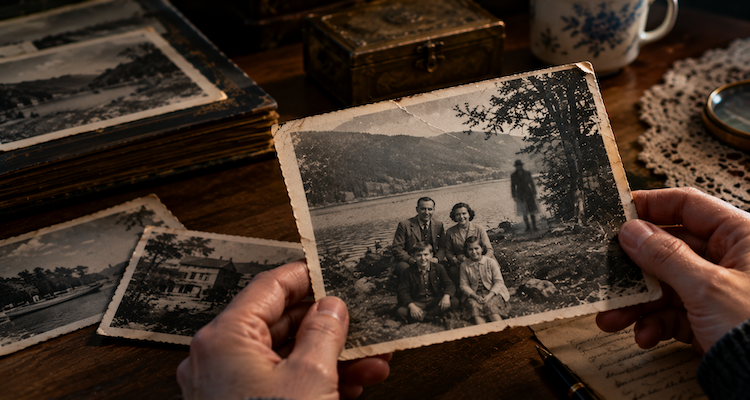








Why a Movie Scene Can Feel Different the Second Time You Watch It
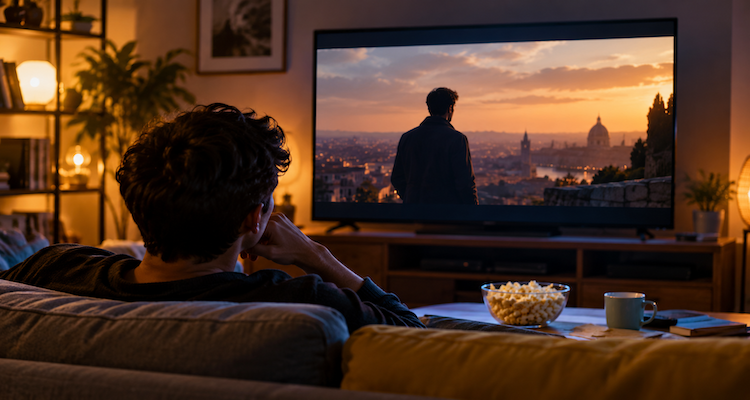
The first time you watch a movie, you are trying to understand what is happening. You follow the characters, wait for answers, and wonder how the story will end. Every conversation carries a question, every unexpected event creates uncertainty, and even a quiet moment can feel important because you do not yet know what comes next.
But when you watch the same movie again, something changes. A scene that once seemed ordinary may suddenly feel heartbreaking. A character who appeared confident may now seem frightened. A short conversation may reveal a hidden warning that was almost impossible to notice the first time.
The movie has not changed. Your understanding of it has.
This experience reveals something fascinating about the relationship between storytelling, memory, attention, and human emotion. We do not simply watch films and store what happens. We interpret what we see, and those interpretations can change as new information reshapes our understanding of the story.
The First Viewing Is About Finding Out What Happens
During a first viewing, much of your attention is directed towards uncertainty. You want to know who can be trusted, why a character behaves strangely, and whether an apparently harmless detail will become important later.
This uncertainty influences how you experience individual scenes.
Imagine a character standing silently near a doorway while two other people argue. The first time you watch, you may barely notice the character because the argument seems more important. Your attention follows the dialogue, the conflict, and the possibility that someone will reveal a secret.
After the ending explains that the silent character already knew the truth, the same scene takes on a different meaning.
The silence no longer feels empty. It may suggest fear, guilt, calculation, or an attempt to hide something. A detail that previously seemed unimportant becomes central to your interpretation.
This is one reason filmmakers can communicate important information without explicitly explaining it. They allow viewers to discover its significance later.
On a second viewing, you are no longer simply asking what happens next. You are examining how the story was constructed.
Knowing the Ending Changes What You Notice
One of the strongest reasons a scene feels different on a second viewing is that the ending changes the context in which you understand earlier events.
Human beings naturally use new information to reinterpret what they already know. When a mystery is solved, earlier clues become easier to recognise. When a character’s true motives are revealed, seemingly innocent remarks may acquire a second meaning.
Consider a thriller in which a character repeatedly asks another person whether they remember a particular evening.
Before the truth is revealed, the question might seem like ordinary dialogue. Perhaps the character is worried, curious, or trying to settle an argument.
After the ending reveals that the evening involved a serious betrayal, the repeated question becomes more suspicious. It may have been an attempt to test someone’s memory, discover what they know, or determine whether a secret remains safe.
The words are identical, but the information surrounding them has changed.
This process is closely related to how context influences memory and interpretation. We rarely understand individual moments entirely on their own. We connect them to other events, expectations, and explanations.
A second viewing gives the brain a different framework for making those connections.
Your Attention Moves Away From the Obvious
During a first viewing, viewers often concentrate on the main action. A dramatic argument, an emotional confession, or a sudden revelation naturally attracts attention.
However, filmmakers frequently place meaningful details in the background. These might include a character’s brief glance, an object placed in an unusual location, a hesitation before answering, or a change in the way two people occupy the same space.
When you already know the main events, you can pay more attention to these smaller details.
A character who looks away at a particular moment may reveal discomfort. A seemingly casual movement might show that someone recognises an object they claim never to have seen. Even the distance between two characters can suggest a relationship that the dialogue does not openly describe.
Film language often relies on this combination of visible action and implied meaning. Lighting, camera placement, editing, music, and performance can communicate information without turning it into an explicit statement.
On a second viewing, details that were previously overshadowed by the plot have more room to attract your attention.
This does not mean that every background detail contains a secret. Sometimes a glance is simply a glance. But when a detail fits the larger story, noticing it can make a familiar scene feel unexpectedly rich.
The Emotional Experience Can Change Too
The difference between first and second viewings is not limited to understanding. It can also change how a scene makes you feel.
A reunion between two characters may initially seem joyful. You watch them embrace, hear the music rise, and feel relieved that they have finally found each other.
Later, you discover that one character had been hiding a painful truth throughout their relationship. When you revisit the reunion, the same embrace may feel uncomfortable. The happiness remains visible, but so does the possibility of deception.
In another film, a character’s final appearance might seem ordinary until the ending reveals that it was their last meaningful interaction with someone they loved. The scene may then feel much more emotional, even though nothing in the scene itself has changed.
Psychological research on emotion and memory helps explain why this can happen. The meaning we assign to an event influences how we remember and respond to it. When our understanding changes, the emotional associations attached to that event can change as well.
Sometimes, however, the second viewing produces the opposite effect. A frightening scene may feel less intense because you already know what will happen. Anticipation and surprise have disappeared, allowing you to watch the sequence with greater distance.
The second viewing can therefore deepen an emotion, weaken it, or replace it with something entirely different.
Familiarity Reveals the Craft Behind the Story
There is another reason familiar scenes can become more interesting: repeated viewing allows you to appreciate the decisions behind them.
During the first viewing, you may be too involved in the story to notice how carefully a scene has been assembled. On a second viewing, you might recognise how the camera gradually moves closer to a character, how a conversation becomes quieter before an important revelation, or how the music subtly changes when a familiar subject appears.
You may also notice how an actor communicates uncertainty through a pause rather than a line of dialogue.
These details can reveal the difference between a scene that simply conveys information and one that creates an experience.
A well-constructed film often encourages viewers to look back. Early dialogue may prepare the audience for a later revelation, while a visual pattern may establish a connection that becomes meaningful only after the ending.
This is particularly noticeable in mystery films, psychological dramas, character studies, and stories built around unreliable narrators. Their structure rewards viewers who return with greater knowledge.
However, the same effect can occur in an ordinary romantic comedy or family drama. Once you understand a character’s fears or motivations, small interactions may become more revealing than the major plot events.
Why the Second Viewing Is Sometimes More Powerful
A second viewing removes one kind of uncertainty but creates an opportunity for another kind of discovery.
You already know what happens, but you may not fully understand why it happens or how the film prepared you for it. Instead of following the story towards its conclusion, you begin exploring the relationships between its individual moments.
This shift can make a movie feel more carefully designed. It can also reveal weaknesses that were less noticeable when the suspense was carrying you forward.
Not every film improves with repetition. Some depend heavily on surprise, and their impact may diminish once the central revelation is known. Others become more rewarding because their emotional meaning does not depend entirely on suspense.
Your own circumstances matter, too. Your mood, experiences, relationships, and changing perspective can influence how you interpret a character. A scene that seemed frustrating years ago may later feel understandable because you have experienced something similar yourself.
The film remains the same, but the person watching it does not.
The Movie Has Not Changed, but You Have
Perhaps the most interesting thing about rewatching a film is that it exposes how much interpretation contributes to what we experience.
We often imagine that a movie contains a fixed meaning and that watching it simply allows us to receive that meaning. In reality, the film provides images, sounds, dialogue, and events that we continually connect and interpret.
The first viewing creates an initial understanding. The ending adds new information. The second viewing allows that information to reshape earlier moments.
A glance becomes a warning. A silence becomes an admission. A happy memory becomes bittersweet.
Sometimes, the scene you remember most clearly is not the scene that changes the most. The real transformation happens in the smaller moments that were waiting for you to understand them.
That is why returning to a familiar movie can feel like discovering a different story inside the same one. You are not merely watching the events again. You are seeing how they fit together.
And occasionally, the second viewing reveals something even more surprising: the meaning was there all along. You simply did not have the knowledge to recognise it.
This content is published for informational or entertainment purposes. Facts, opinions, or references may evolve over time, and readers are encouraged to verify details from reliable sources.
Related News
- Netflix’s 2026 Book Options Reveal What Stories It May Be Betting On Next
- Why Video Game Adaptations Are Finally Winning Over Audiences
- From Fan Fiction to Blockbusters: How Online Communities Are Changing Storytelling
- The Death of Channel Surfing: How Streaming Changed the Way We Discover Entertainment