






The Hidden Wildlife That Keeps Farms Productive and Food on Our Tables
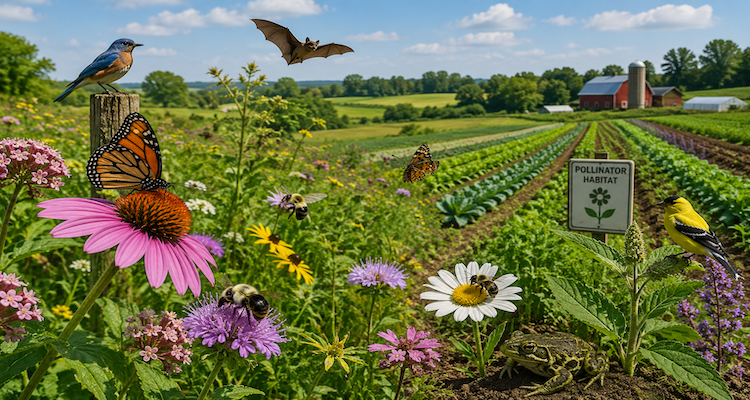
A quiet workforce supports global agriculture every day, yet most people rarely notice it. It does not operate machinery, apply fertilizer, or manage irrigation systems. Instead, it flies between flowers, burrows through soil, hunts crop-damaging pests, and helps maintain the ecological balance that modern farming depends upon.
As agriculture becomes increasingly focused on efficiency and production, attention often centers on technology, genetics, and machinery. Yet an equally important story is unfolding in fields, forests, wetlands, and hedgerows. Wildlife species that were once considered background elements of the landscape are now being recognized as essential contributors to food production.
The growing awareness of this relationship is revealing a surprising truth: some of the most valuable workers in agriculture are wild animals that never appear on payrolls, yet their services are difficult and sometimes impossible to replace.
Nature’s Unseen Agricultural Workforce
When people think about agriculture, pollinators such as bees often come to mind first. Their role is undeniably important. Many fruits, vegetables, nuts, and seeds depend on pollination to produce reliable harvests. While managed honeybee colonies receive much of the attention, wild pollinators, including native bees, butterflies, moths, beetles, and even certain bird species, play a significant role in maintaining crop productivity.
What makes wild pollinators particularly valuable is their diversity. Different species are active at different times, under different weather conditions, and with different plants. This creates a more resilient pollination system than reliance on a single species alone.
Yet pollinators represent only one part of a much larger ecological network.
Predatory birds, bats, spiders, amphibians, and beneficial insects help control agricultural pests. By feeding on insects that damage crops, these species can reduce pest populations naturally. In many farming regions, they act as a biological defense system that limits outbreaks before they become economically damaging.
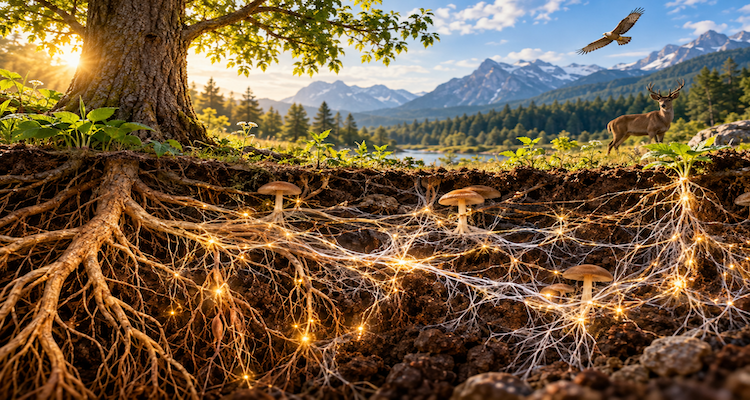
Beneath the surface, earthworms, microorganisms, and other soil-dwelling organisms improve soil structure, nutrient cycling, and water retention. Healthy soils support stronger crops while reducing vulnerability to drought and erosion.
Together, these wildlife communities perform functions that agriculture has depended on for centuries, often without fully recognizing their value.
Why Interest Is Growing Now
The renewed focus on wildlife’s role in agriculture reflects several broader shifts.
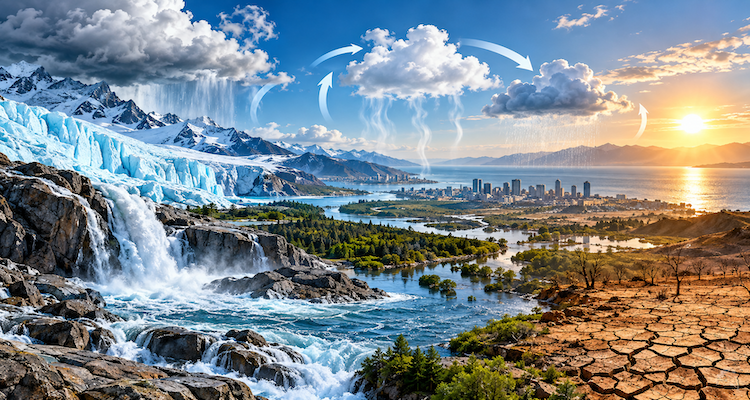
Farmers around the world are facing increasing challenges, including changing weather patterns, rising input costs, soil degradation, and pressure to maintain productivity while reducing environmental impacts.
These pressures have encouraged greater interest in natural systems that support agricultural resilience.
Researchers and land managers increasingly view biodiversity not as something separate from farming but as part of the infrastructure that keeps farms functioning effectively. Wildlife habitats, once considered unproductive land, are being reevaluated for the services they provide.
Hedgerows, field margins, wetlands, and patches of native vegetation can serve as shelter and breeding grounds for beneficial species. Maintaining these habitats often strengthens the ecological relationships that support crop production.
This shift reflects a broader understanding that agriculture and conservation are not always competing interests. In many cases, they are interconnected.
The Cost of Losing Wildlife
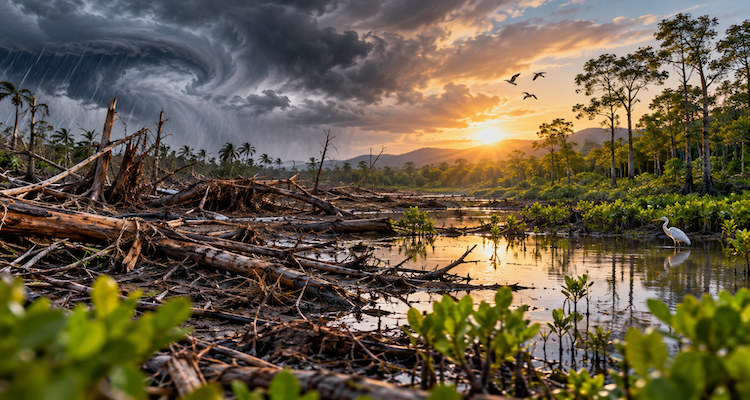
The importance of wildlife often becomes most visible when it disappears.
Pollinator declines have raised concerns in many regions because reduced pollination can affect crop yields and quality. Similarly, the loss of natural predators may contribute to increased pest pressure, potentially leading to greater dependence on chemical controls.
The consequences extend beyond individual farms.
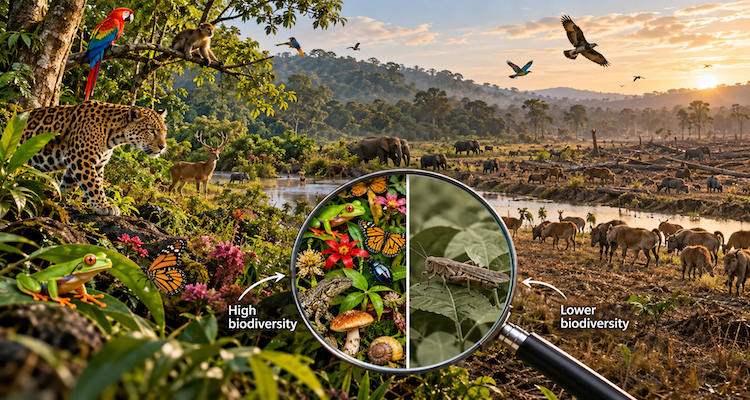
Agricultural ecosystems function as networks. When one component weakens, other parts may become less stable. Reduced biodiversity can make farming systems more vulnerable to disease outbreaks, invasive species, and environmental stress.
This does not mean wildlife alone can solve every agricultural challenge. Modern farming requires a combination of science, technology, management practices, and ecological understanding. However, removing wildlife from the equation often creates new vulnerabilities that can be costly and difficult to address.
A Different Way to Think About Productivity
One of the most important insights emerging from this conversation is that productivity and biodiversity are not necessarily opposites.
For decades, agricultural success was often measured primarily by output per acre. While production remains essential, many experts now recognize that long-term productivity depends on maintaining the natural systems that support it.
This represents a subtle but significant change in thinking.
Instead of viewing wildlife as something that exists outside the farm boundary, more agricultural strategies are treating biodiversity as an asset. Wildlife habitats can become part of a farm’s operational framework, contributing to pollination, pest management, soil health, and resilience.
The shift mirrors changes occurring in other industries, where resilience and sustainability are increasingly valued alongside efficiency.
In agriculture, the most productive farm over the next several decades may not simply be the one that maximizes short-term output. It may be the one that successfully integrates natural ecological services with modern agricultural practices.
Farmers and Conservation Are Finding Common Ground
Across many agricultural regions, collaboration between farmers, conservation organizations, and researchers is becoming more common.
Rather than focusing solely on protecting wildlife for its own sake, many initiatives emphasize practical benefits for both biodiversity and agricultural productivity.
Wildlife corridors, restored wetlands, flowering field margins, and habitat-friendly farming practices can create conditions that support beneficial species while maintaining agricultural operations.
Importantly, these approaches are often tailored to local conditions. What works in one landscape may not work in another. Effective solutions depend on understanding regional ecosystems, crop types, and wildlife communities.
This practical, place-based approach has helped move the conversation beyond simple debates about farming versus conservation.
What This Means for Consumers
Most consumers rarely see the wildlife that supports food production.
A bat feeding on crop pests at night, a native bee pollinating fruit blossoms, or an earthworm improving soil health often remains invisible within the supply chain. Yet these ecological services influence the availability, quality, and resilience of food systems.
Growing public interest in sustainable agriculture is partly driven by this realization. Food production is not solely an industrial process; it is also an ecological one.
Understanding that connection encourages a broader view of what supports agriculture. It highlights the importance of healthy landscapes, biodiversity, and responsible land management alongside technological innovation.
The Future of Farming May Depend on What We Overlook Today
Agriculture has always relied on partnerships with nature, even when those partnerships went unnoticed.
As environmental pressures increase and food systems face new challenges, wildlife is gaining recognition not simply as something to protect, but as something that actively contributes to agricultural success.
The future of farming will likely involve more sophisticated technology, improved crop science, and smarter resource management. But it may also depend on preserving the countless species that quietly pollinate crops, control pests, enrich soils, and strengthen ecosystems.
The hidden wildlife supporting agriculture is not merely part of the landscape. It is part of the agricultural workforce itself and one of the most important resources many people never think about until it is gone.
This content is published for informational or entertainment purposes. Facts, opinions, or references may evolve over time, and readers are encouraged to verify details from reliable sources.