








When Predators Return: The Surprising Wildlife Comeback Reshaping Ecosystems
For decades, the disappearance of large predators was treated as an unavoidable consequence of human expansion. Wolves vanished from vast stretches of Europe and North America. Big cats retreated from landscapes they had occupied for centuries. Bears, lynx, and other apex hunters were pushed into isolated pockets of wilderness as roads, farms, cities, and industrial development transformed natural habitats.
Yet something unexpected is happening.
In a growing number of regions, predators are returning to places where they once seemed permanently lost. Wolves have reappeared in parts of Western Europe. Lynx populations have expanded into areas where they had been absent for generations. In several countries, bears are being sighted farther beyond their traditional strongholds. These returns are not simply wildlife stories. They represent one of the most significant ecological shifts of the modern conservation era.
The return of predators is forcing scientists, policymakers, landowners, and communities to rethink what coexistence with nature actually means.
A Different Kind of Conservation Success
Conservation is often measured by what has been protected from further decline. Predator recovery tells a different story. It is about species actively reclaiming territory.
Improved legal protections, habitat restoration efforts, reduced hunting pressures, and changing public attitudes have helped create conditions that allow some predator populations to recover. In many cases, younger animals naturally disperse beyond established territories, seeking new areas to hunt and reproduce.
This expansion challenges a long-held assumption that once a predator disappears from a landscape, its return is unlikely. Instead, certain species are demonstrating remarkable resilience.
What makes this trend especially notable is that many of these animals are returning not only to remote wilderness areas but also to landscapes shaped by human activity. Forests, agricultural zones, and even regions near urban centers are increasingly becoming part of their range.
Why Predators Matter More Than Many People Realize
The importance of predators extends far beyond the animals they hunt.
Ecologists have long observed that apex predators influence entire ecosystems through what are often called trophic cascades. By regulating populations of herbivores and smaller predators, they help maintain balance across multiple layers of the food web.
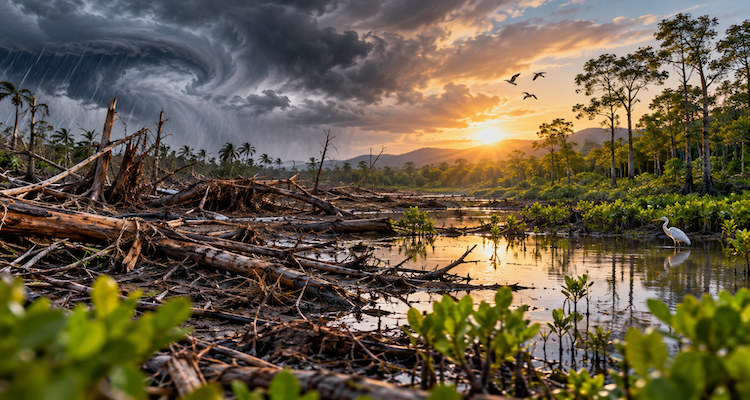
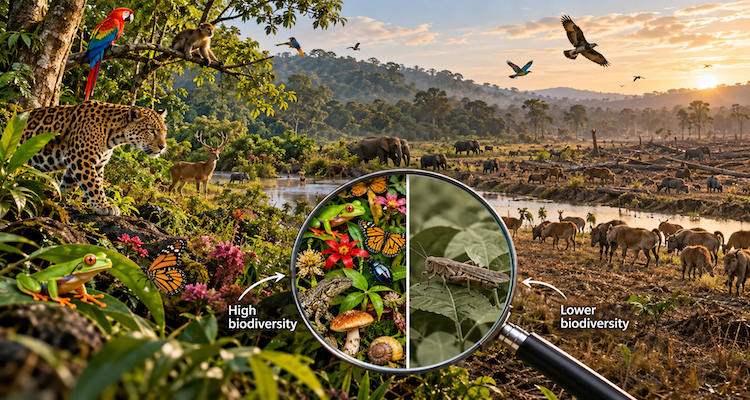
When large predators disappear, prey populations can grow unchecked. Overgrazing may damage vegetation, reduce biodiversity, and alter habitat conditions for numerous other species.
The return of predators can trigger a chain reaction of ecological effects. Healthier plant communities, improved habitat diversity, and shifts in animal behavior often follow. In some cases, ecosystems begin recovering in ways that would be difficult to achieve through direct human intervention alone.
The key insight is that predators do not simply occupy ecosystems, they help shape them.
The Human Side of the Comeback
While conservationists often celebrate predator recovery, the reality on the ground can be more complicated.
Farmers may face concerns about livestock losses. Rural communities sometimes worry about safety, even when actual risks remain low. Hunters may see changes in local game populations. Land managers must navigate competing interests among conservation groups, businesses, and residents.
These tensions reveal an important truth: successful conservation is not only about wildlife. It is also about people.
Predator recovery often succeeds when practical coexistence measures accompany ecological goals. Livestock protection strategies, compensation programs, community engagement, and public education can help reduce conflicts and build support.
The challenge is not simply bringing predators back. It is learning how to live alongside them in landscapes where human and wildlife interests overlap.
A Sign of a Larger Environmental Shift
The return of predators reflects a broader change in how societies view nature.
For much of the twentieth century, conservation frequently focused on protecting isolated reserves while accepting environmental degradation elsewhere. Today, a growing movement emphasizes ecological connectivity, linking habitats through wildlife corridors, restoring natural processes, and allowing species greater freedom to move across landscapes.
Predator recovery is often a visible outcome of this philosophy.
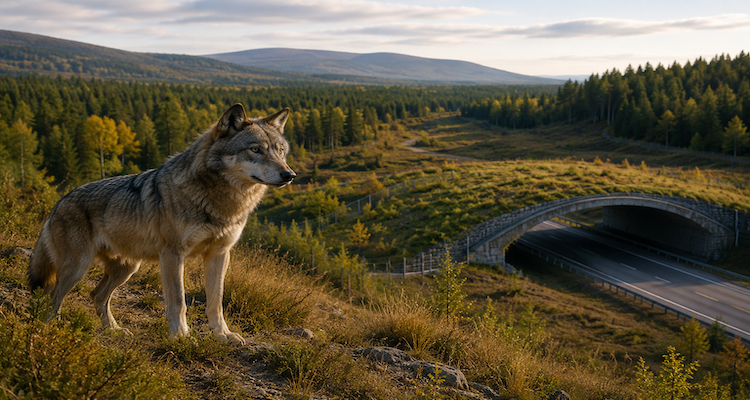
Wildlife crossings over highways, reforestation projects, and habitat restoration initiatives are helping reconnect fragmented ecosystems. As landscapes become more connected, species gain opportunities to expand into areas that were previously inaccessible.
This shift represents a move away from preserving nature as something separate from human life. Instead, it recognizes that functioning ecosystems often require room for wildlife to move, adapt, and evolve.
Why Public Interest Is Growing
Predators capture public attention in a way few conservation topics can.
Part of the fascination comes from symbolism. Wolves, bears, big cats, and other apex predators occupy a unique place in human culture. They appear in myths, folklore, literature, and popular media. Their return evokes powerful emotions ranging from excitement and admiration to concern and uncertainty.
But interest is also growing because predator recovery intersects with larger conversations about climate resilience, biodiversity loss, and sustainable land management.
Many people are beginning to recognize that ecosystem health is not an abstract environmental issue. It influences agriculture, water systems, tourism, recreation, and community well-being.
The return of predators offers a tangible example of how ecological systems can recover when given the opportunity.
The Unexpected Economic Dimension
One of the less discussed aspects of predator recovery is its economic impact.
Wildlife tourism has become a significant source of income in many regions. Visitors travel considerable distances for opportunities to observe iconic species in their natural habitats. Local businesses, guides, accommodations, and tourism operators often benefit from increased interest.
At the same time, predator management requires investment. Monitoring programs, compensation mechanisms, and conflict prevention efforts can carry substantial costs.
The economic conversation is therefore more nuanced than simple gains or losses. Communities increasingly face decisions about how to balance conservation benefits with practical realities.
Understanding this balance will become increasingly important as predator populations continue to expand.
What Happens Next?
The future of predator recovery remains uncertain and will likely vary from region to region.
Some populations may continue expanding into new territories. Others could encounter limits imposed by habitat availability, human conflict, or changing environmental conditions.
Climate change adds another layer of complexity. Shifting ecosystems may alter prey availability, migration patterns, and habitat suitability, influencing where predators can successfully establish themselves.
What seems increasingly clear, however, is that the return of predators is not an isolated phenomenon. It reflects broader ecological processes that are reshaping landscapes across the world.
The most important question may no longer be whether predators can return. In many places, they already have.
The more pressing challenge is how societies adapt to their presence.
Predator recovery reminds us that nature is not static. Ecosystems can regain lost functions, species can reclaim former territories, and landscapes can evolve in unexpected ways. The return of these animals is more than a conservation milestone, it is evidence that ecological recovery remains possible, even after decades of decline.
That possibility may be one of the most important environmental stories of our time.
This content is published for informational or entertainment purposes. Facts, opinions, or references may evolve over time, and readers are encouraged to verify details from reliable sources.