






Digital Habits on Autopilot: The Routines You Didn’t Choose
Technology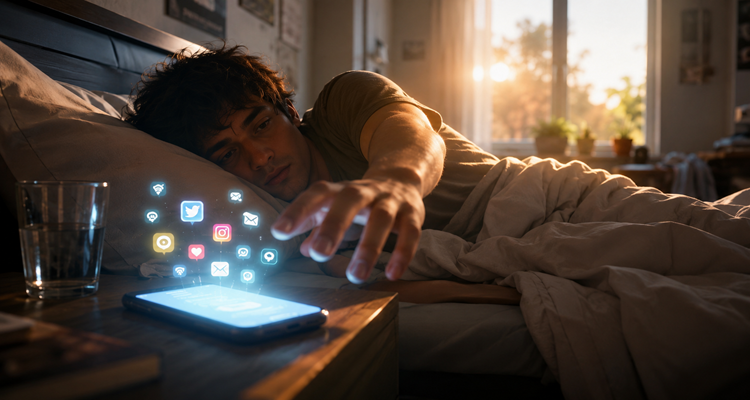
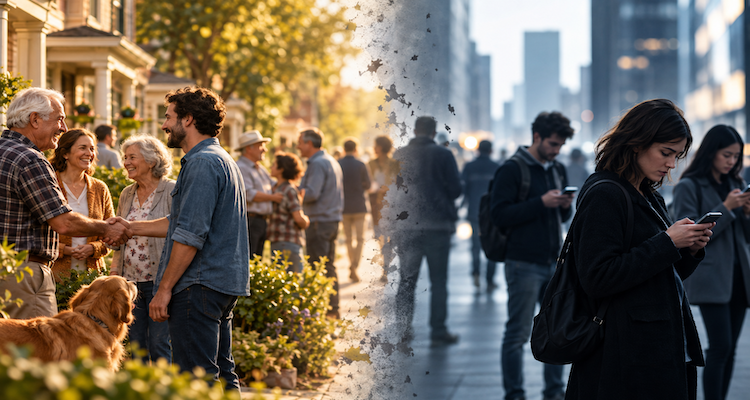
Imagine waking up, stretching out your hand, and tapping your smartphone’s screen before you even sit up. By the time you get dressed, you’ve scrolled through news headlines, checked messages, and perhaps even watched a video, all without really deciding to. These everyday tech routines feel natural, but in reality they’re built into our lives by design. In fact, 89% of people admit to checking their phones within 10 minutes of waking up. Our devices, apps, and social media platforms are engineered to tug at our attention with notifications, infinite feeds, and updates. The result? Powerful digital habits we never consciously chose but follow automatically. In this post, we’ll peel back the curtain on these habits- how they form, why they matter, and how recognizing them can help you reclaim your focus.
Key Takeaways
- Notifications, infinite-scroll feeds, and cues like FOMO turn tiny actions (a swipe or tap) into automatic routines we follow every day.
- Studies show push notifications dramatically boost engagement (e.g., daily adherence jumped from ~50% to 82% in one trial), but only while reminders last.
- Digital platforms are designed around capturing attention: for example, 70% of YouTube watch time comes from recommended videos, showing how our choices often feed right into hidden algorithms.
- Our brains adapt to these cues: we reflexively check phones during boredom or stress. Habits like “doomscrolling” (relentlessly reading bad news) can spike anxiety.
- Research links this automation to real effects: heavy smartphone use correlates with anxiety, disrupted sleep, and a sense of loss of control.
- Recognizing these invisible triggers- from the alarm clock app to the endless feed is the first step in breaking autopilot and taking back control of your day.
Invisible Cues, Automatic Routines
Modern apps and devices are built to hijack our attention. Each incoming ping or algorithmic suggestion is a cue that can trigger a habitual response. For example, a push notification is not a neutral prompt: it’s timed and worded to pull you back into an app. A recent experiment in mobile learning showed exactly how powerful this is. Participants who received algorithmically timed reminders completed a daily task 82% of the time, far higher than the 49% adherence of those without reminders. The catch? Once the notifications stopped, most people quickly reverted to their old habits. In short, push alerts worked as a dual-edged digital nudge: they spiked engagement temporarily but didn’t build lasting willpower.
This isn’t a mistake; it’s by design. Tech companies rely on the attention economy. Each tap, scroll, or glance can become data to sell ads or train algorithms. As writer Hooria Akbar notes, “Every swipe. Every pause. Every like. What you make isn’t just noticed. It’s recorded, analyzed, and used to shape what comes next.” The goal isn’t simply to serve content but to capture your attention. Over time, we start to “think in rhythms shaped by infinite scroll and persistent notifications”. In other words, our brains adapt to these cues and begin to expect them.
This adaptation is precisely what psychologists call a habit loop. A cue (phone buzz) leads to a routine (unlock and check), which gives a reward (new content or social validation). It feels almost reflexive: people report glancing at their phones dozens or even hundreds of times per day. Because these behaviors happen outside conscious thought, they can become invisible digital rituals. You might not notice how often you do them, but the patterns are there. In fact, one analysis calls smartphones the “invisible infrastructure of everyday life”, quietly organizing how we pay attention, relate to others, and even think about ourselves.
Morning to Midnight: Common Unwitting Routines
These autopilot habits pepper every part of the day. Consider the morning: a survey found that 89% of smartphone users check their phone within 10 minutes of waking. Many do this almost unconsciously, often while still half-asleep. The moment the alarm buzzes or the screen lights up, our fingers are already on the power button. From there it’s easy to slide straight into checking email, news, and social apps. One writer described this morning cascade of tasks as going “from calm to crazy” in seconds: a tiny morning habit trigger yields stress and urgency long before you’ve even left the house.
This “roll call” habit isn’t the only one. Throughout the day, common situations cue our phones. Idle moments (waiting in line, pauses in meetings) often become reflexive scrolling sessions. Chaotic signals like a notification pop-up or a friend tagging you can interrupt anything, pulling you back into a loop of checks and replies. Even meals and breaks can turn into screen time sessions without us realizing.
Some habits have earned names. “Doomscrolling,” endlessly reading headline after headline of bad news, became widely discussed during the pandemic. Harvard experts note that scanning negative news first thing (or any time) triggers stress responses: our brains search for threats, and the more we scroll, the more anxious we become. Yet the habit persists. By late at night, many people find themselves only sleeping because the only remaining notifications are bedtime reminders. According to one industry survey, 60% of people sleep with their phone by the bed, a habit we never signed up for but perform nightly.
Other routines slip in quietly. The smartphone-as-alarm example is revealing: by using our phone for mundane tasks (alarm clock, calculator, weather), it becomes part of every ritual. Indeed, one person found that just switching her alarm to a voice assistant broke her need to immediately dive into email and social media upon waking. It seems small, but skipping that first involuntary swipe made a big difference. It shows how a tiny change in cue or context can interrupt a chain reaction of digital habits.
All these cues, notifications, home screen icons, autoplay queues- are strategically placed. Algorithms watch what you tap. As Write-A-Catalyst author Hooria Akbar explains, we are adjusting to an environment designed to maximize engagement. Every piece of content is selected to be just relevant enough to keep us watching. For example, YouTube’s algorithm now drives 70% of watch time on the platform. In practice, this means most of what we end up watching was quietly suggested by an algorithm rather than a conscious search. These small, daily interactions add up: they ensure that our focus is constantly guided by something, usually not our own plan.
The Psychological and Real-World Toll
When our attention is on autopilot, it affects us in deeper ways. Behavior researchers have linked heavy phone use to anxiety, disrupted sleep, and even depression. The constant stimulation of incoming updates keeps our “fight or flight” system in a mild alarm state. Harvard psychiatrists note that doomscrolling floods us with a sense of threat; our brains think we’re scanning for safety, but all it gets is more stress. Physically, this can cause headaches, tense muscles, and insomnia. Mentally, we feel drained and anxious.
On top of stress, there’s a subtle identity shift. Social media feeds give quick feedback (likes, comments), which “calibrates how we present ourselves”. In other words, we may unconsciously edit our behavior to fit what the algorithm rewards. Donna Roberts, a psychology writer, points out that we shape our posts for likes and shares, “performing” not just for people but for algorithms. This can narrow our self-expression and reinforce echo chambers. Over time, our “informational landscape” narrows because feeds favor content similar to what we’ve already seen.
These changes in thinking and culture are hard to see on a day-to-day basis. But multiplied by billions of users, they steer entire social norms. Roberts observes that when people reflexively check phones in “micro-moments of boredom or stress,” the device becomes our default coping mechanism. We start to expect constant connection and instantaneous response. This changes what we consider polite or normal behavior: friends expect quick replies, workplaces expect email on weekends, and free time is often punctuated by pings. In short, what we repeatedly see and do digitally starts to redefine what being connected means.
Neurologically, this loop can become addictive. ReFlections (RGA) explains that each hit of interaction releases dopamine in the brain’s reward circuitry. Over time, we need more frequent checks to get the same satisfaction. In their view, “excessive phone use has been described as the biggest non-drug addiction of the 21st century”. Smartphones aren’t a drug, but the effect is similar: we crave the reward of a notification light or new content, even when it pulls us away from other things we want to do.
A Less Obvious Perspective
If we zoom out, these habits hint at much broader shifts. We tend to think of tech as neutral tools, but it’s shaping us in unseen ways. As one expert puts it, algorithms have effectively become “infrastructures of your digital life”. In practice, this means our daily habits are part of a vast experimental design. Everything from a tapping sound to a color scheme is optimized to keep us engaged. When “every swipe, every pause” is recorded, our human behavior becomes data to refine the system further.
Psychologically, it means our autonomy is subtly constrained. Behavioral economists talk about “choice architecture,” the idea that the way choices are presented influences us. In the digital world, the choice architecture is set by tech platforms. When Hooria Akbar says “when systems predict, nudge, and recommend, your autonomy exists within the constraints they set”, she’s highlighting that most of the time we’re clicking options that were put in front of us, not ones we discovered ourselves. For example, social apps show you certain highlights or news stories because they think you’ll click, and by doing so, they shape what you think is normal or important.
Culturally, these daily habits reinforce a kind of collective behavior change. Roberts points out that as smartphones became ubiquitous, they “quietly [organized] how we pay attention, relate to others, and even think about ourselves”. Constant connectivity is redefining social expectations: it’s now normal to check your phone at dinner, to expect instant feedback on a message, or to have breaking news pop up at every moment. These shifts aren’t debated on Capitol Hill, but they happen in everyday life, one swipe and like at a time.
The scary part is that these shifts feed back into the real world. For instance, narrow feeds can polarize news consumption. If your algorithm only shows you headlines it thinks you’ll agree with, your worldview can shrink. Social norms around attention are also changing: we tolerate, or even expect, that people will ignore face-to-face interaction for a few moments to reply to a text. Over time, the line between “digital self” and “real self” blurs; we curate profiles and use online feedback to influence our offscreen identity. Essentially, the invisible digital routines of each person accumulate into a society-wide pattern.
Regaining Control of Your Day
We don’t have to be entirely at the mercy of these autopilot routines. The first step is awareness. When you recognize that buzzing and scrolling are serving an algorithm and not truly helping you, you can choose to pause. Some strategies can help shift small habits. For example, try moving your phone farther from your bed (so you have to get up to turn off the alarm). This simple trick, endorsed by productivity experts, interrupts the reflex to immediately dive into apps. Others find it helpful to customize notifications and only allow the most important alerts so fewer cues hijack your attention.
In fact, swapping a screen task for another mode can break the chain. One user noted that turning off her morning alarm with a voice assistant (instead of grabbing the phone) kept her from the usual spiral of checking emails and social media. Likewise, setting specific times to check news or social media rather than constantly refreshing can rebuild a sense of choice. Even just being mindful of the impulse to tap “refresh” can weaken its grip over time.
The broader point is this: the habits are powerful because they’re mostly invisible. By shining a light on them, you regain a bit of the steering wheel. It’s similar to realizing you’ve been sleepwalking and gently setting a path to wake up. Being deliberate, even occasionally, about how you interact with technology can prevent those dark spirals of doomscrolling or endless distraction. You might install apps that track screen time or put your phone in another room during meals or meetings, creating friction in the habit loop.
Ultimately, these digital routines aren’t going away, and they will probably intensify as tech advances. But knowledge is power. When you understand why your thumb goes for Instagram by default, you can start to click pause instead. Over time, that could mean choosing more of your day consciously, rather than letting every beep and feed dictate it for you.
Modern technology is reshaping our lives in ways most of us never intended. But by understanding the habits we didn’t pick, we take the first step toward reclaiming our time and focus.
Did you catch yourself on autopilot just now? If so, you’re already on your way to rewiring that digital routine into a more mindful one.
The views and opinions expressed in this article are those of the author and are intended for informational and educational purposes only. While every effort is made to ensure accuracy, Wiobs does not guarantee the completeness, reliability, or timeliness of the information presented. Readers are encouraged to verify facts independently and use their own judgment before making decisions based on this content.
Stay Connected with Wiobs
Explore more insights on technology, artificial intelligence, science, business, and innovation. Follow Wiobs and never miss an update.