







Ghost Forests Are Expanding Across the Globe and They’re Rewriting Our Understanding of Environmental Change
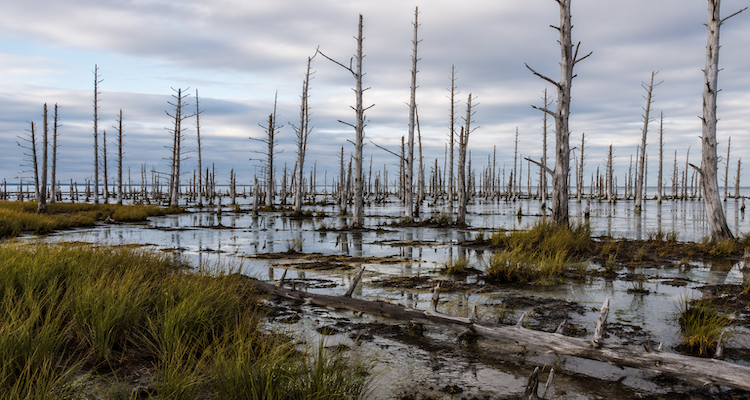
Along coastlines from North America to Australia, something unsettling is happening. Stands of once-thriving trees are dying in place, their pale trunks left standing like skeletal monuments across wetlands, shorelines, and riverbanks. Scientists have a name for these landscapes: ghost forests.
What makes ghost forests particularly striking is not simply that trees are dying. Forests have always experienced cycles of growth, decline, fire, and regeneration. The concern is the speed, scale, and geographic spread of these transformations. In many regions, ecosystems that remained relatively stable for centuries are changing within a single human lifetime.
The rise of ghost forests is becoming one of the clearest visual signals of environmental change. More importantly, these silent landscapes reveal how interconnected climate, water systems, biodiversity, and human communities truly are.
What Exactly Is a Ghost Forest?
A ghost forest forms when large numbers of trees die, often remaining upright for years or even decades after death. The phenomenon is especially common in coastal areas, where rising sea levels and saltwater intrusion gradually poison freshwater ecosystems.
As seawater moves inland, soils become increasingly saline. Many tree species, including pines, cedars, and hardwoods adapted to freshwater environments, cannot tolerate prolonged exposure to salt. Their roots weaken, growth slows, and eventually entire stands perish.
The result is a haunting landscape: expanses of gray, leafless trunks standing amid marsh grasses or shallow water.
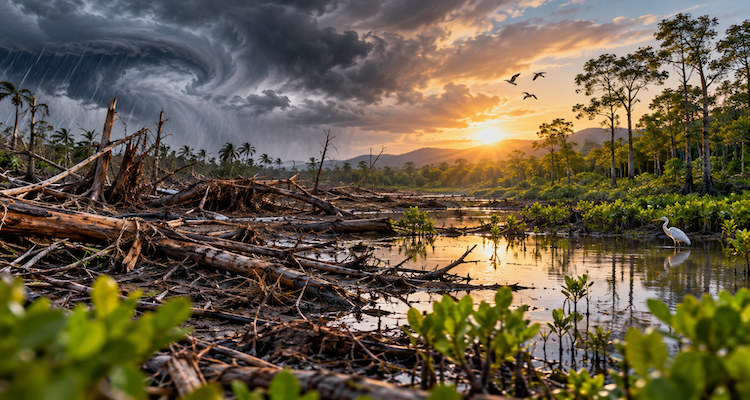
While sea-level rise is among the most visible drivers, ghost forests can emerge through several pathways, including prolonged drought, insect outbreaks, extreme flooding, wildfire, and changing groundwater patterns. In many cases, multiple stressors combine, leaving forests unable to recover.
Why Ghost Forests Are Appearing More Frequently
Researchers have documented ghost forests in numerous parts of the world, including the Atlantic coast of the United States, low-lying regions of Europe, parts of Australia, and vulnerable delta systems in Asia.
The increasing frequency of extreme weather events appears to be accelerating the process.
Storm surges can push saltwater far inland, damaging forests that historically experienced only occasional exposure. Repeated coastal flooding prevents young trees from establishing, meaning forests lose their ability to regenerate naturally.
Extended droughts create another pathway. Trees weakened by water stress become more vulnerable to pests and disease. In some regions, warming temperatures have enabled bark beetles and other insects to expand their ranges, contributing to widespread tree mortality.
The key difference today is that many forests are facing multiple pressures simultaneously. A stand weakened by drought may later experience flooding, insect attacks, or wildfire, reducing resilience and increasing the likelihood of permanent transformation.
More Than Dead Trees: Ecosystems in Transition
Ghost forests are often portrayed as ecological disasters, but the reality is more complex.
In some coastal areas, dying forests are giving way to salt marshes. These marsh ecosystems can provide valuable habitat for fish, birds, shellfish, and other wildlife while also storing significant amounts of carbon.
Yet this transition comes with trade-offs.
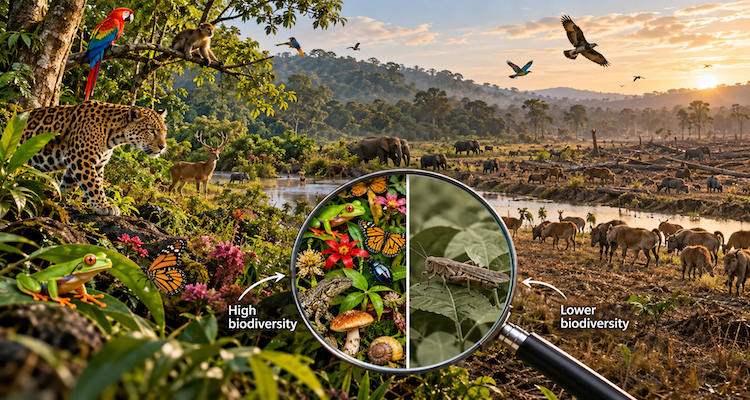
Species that depend on mature forests, including certain migratory birds, mammals, and insects, may lose critical habitat. Freshwater wetlands can disappear, altering food webs and changing local biodiversity.
For communities that rely on forests for recreation, cultural identity, or economic activity, these changes can be profound.
A coastal landscape familiar for generations may gradually transform into open marshland, fundamentally altering how people experience and relate to place.
The Hidden Message Inside Ghost Forests
Perhaps the most important lesson from ghost forests is that environmental change rarely occurs as a single dramatic event.
Public discussions often focus on sudden disasters, major hurricanes, catastrophic wildfires, or severe floods. Ghost forests tell a different story. They represent slow-moving change unfolding year after year, often unnoticed until a tipping point is reached.
This gradual transformation poses a challenge for policymakers and communities alike.
People tend to respond more quickly to immediate crises than to subtle environmental shifts. A forest may appear healthy from a distance even as salt levels rise underground and tree growth declines. By the time visible die-off occurs, the ecosystem may already have crossed a threshold beyond which recovery becomes difficult.
This “slow emergency” dynamic is increasingly recognized across environmental science. Similar patterns can be observed in coral reef decline, groundwater depletion, and shifts in agricultural productivity.
Ghost forests remind us that environmental change is not always explosive. Sometimes it is quiet, incremental, and irreversible.
Why Businesses, Communities, and Land Managers Are Paying Attention
The spread of ghost forests carries practical implications far beyond ecology.
Coastal communities face growing challenges related to infrastructure planning, flood management, and land use. Forest loss can alter drainage patterns, increase erosion, and reduce natural protection against storm impacts.
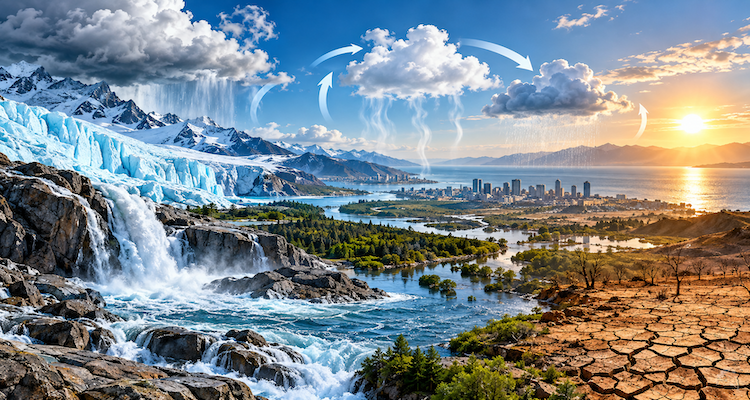
Agriculture may also be affected. Saltwater intrusion can extend beyond forests into nearby farmland, reducing soil productivity and forcing shifts in crop selection.
Insurance providers, real estate developers, and local governments are increasingly incorporating environmental risk assessments into long-term planning. Understanding where landscapes are likely to transition has become economically important.
Land managers are exploring various adaptation strategies. These include restoring wetlands, allowing natural marsh migration, protecting inland forest corridors, and reconsidering development in highly vulnerable areas.
In some locations, efforts focus not on preserving every existing forest, but on managing an orderly ecological transition.
What Ghost Forests Reveal About the Future
One of the most revealing aspects of ghost forests is that they function as ecological early-warning systems.
Because trees respond directly to changes in water availability, temperature, and soil chemistry, forests often provide visible evidence of broader environmental shifts long before those changes become obvious elsewhere.
In this sense, ghost forests are not merely local phenomena. They are indicators of larger planetary processes reshaping landscapes worldwide.
Their expansion suggests that future ecosystems may look very different from those of the past. Conservation strategies built around maintaining historical conditions may increasingly give way to approaches focused on resilience, adaptation, and ecological transition.
This does not mean environmental decline is inevitable everywhere. Many ecosystems retain remarkable capacity to adapt when stressors are reduced and habitats remain connected.
But ghost forests underscore an emerging reality: environmental change is no longer solely a prediction for future generations. In many places, it is already visible in the landscapes around us.
The silent trunks standing along vulnerable coastlines are more than remnants of dying forests. They are markers of transformation, evidence that the relationship between climate, ecosystems, and human society is entering a new chapter.
As these ghostly landscapes continue to spread, they challenge us to rethink not only how we protect nature, but also how we prepare for a world in transition.
This content is published for informational or entertainment purposes. Facts, opinions, or references may evolve over time, and readers are encouraged to verify details from reliable sources.