




Exploring the World, One Experience at a Time
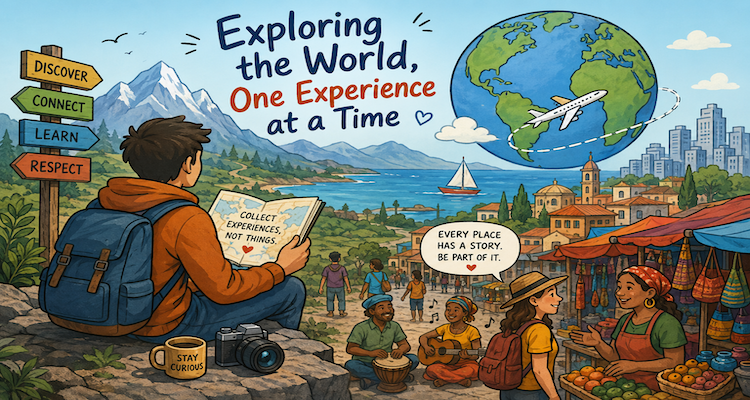
Travel is often measured in distances, destinations and photographs. Yet the experiences that remain with us rarely fit neatly into any of those categories. A conversation with a local shopkeeper, an unfamiliar meal, a missed train that changes the day’s plans, or a quiet morning in a place far from home can reveal more about travel than a checklist of famous attractions.
That distinction matters as international tourism continues to grow. UN Tourism reported that global international tourist arrivals recovered to pre-pandemic levels in 2024, while travel continued to expand in 2025. Its January 2026 update estimated that international arrivals grew another 4% in 2025, despite economic pressures, geopolitical uncertainty and high travel costs.
The return of travel is not simply a story about more people crossing borders. It also raises a more personal question: what are we actually looking for when we travel? The answer increasingly lies not only in seeing a place, but in experiencing it with attention.
Key Takeaways
- Meaningful travel is shaped as much by human encounters and unexpected moments as by famous landmarks.
- Global tourism has recovered strongly, but rising costs and uncertainty are changing how travellers make decisions.
- Slower, more intentional itineraries can create room for deeper engagement with a destination.
- Local communities are not merely part of the scenery; they are central to a destination’s cultural character.
- Responsible travel requires attention to environmental and social consequences, not just personal convenience.
- The most memorable journeys often leave travellers with a changed perspective rather than a longer checklist.
Travel Is More Than Reaching a Destination
Modern travel has become remarkably accessible compared with earlier generations. Digital maps, online booking platforms, translation tools and global air connections have made it easier to plan a journey independently. Over the past five decades, technological development and the digitalization of travel information have helped transform international tourism into a far more accessible global activity.
But easier access can create a different challenge: the temptation to experience destinations at high speed.
A tightly packed itinerary may allow someone to visit more places, yet it does not necessarily create a deeper understanding of any of them. Travel becomes more meaningful when there is room to observe how people live, eat, work, celebrate and adapt to the particular geography and history around them.
That does not mean every journey must be slow or lengthy. A short trip can be deeply memorable. The difference often lies in attention. A traveller who spends an afternoon understanding one neighbourhood may gain more than someone who rushes through five attractions without context.
The Experiences That Cannot Be Put on an Itinerary
Guidebooks and travel platforms can identify landmarks, restaurants and routes. They cannot fully schedule the moments that make a journey personal.
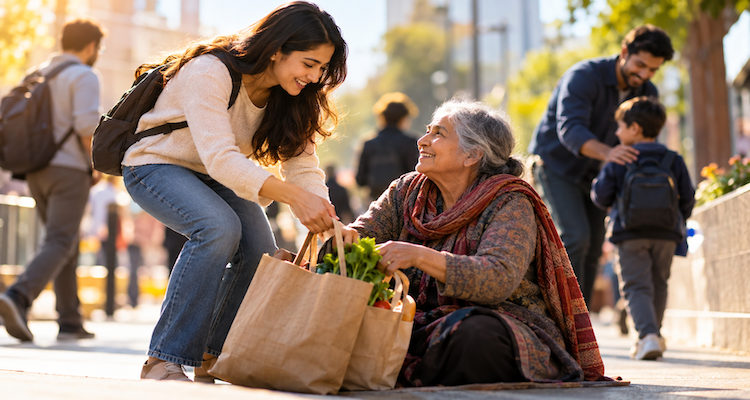
A sudden rainstorm may lead a visitor into a small café. A festival encountered by chance may offer a glimpse into local traditions. A conversation can challenge assumptions about a country that news headlines or social media posts had simplified.
These moments are valuable partly because they resist standardization.
This is where travel becomes more than consumption. Instead of asking only, What can I see here?, a more useful question may be, What can I understand here?
That shift changes the role of the traveller. A destination is no longer simply a backdrop for photographs or a collection of attractions to complete. It becomes a place with its own communities, pressures, history and rhythms.
Why the Way We Travel Is Changing
The tourism industry’s recovery has occurred alongside considerable uncertainty. UN Tourism reported that international tourist arrivals grew by 5% in the first quarter of 2025 compared with the same period in 2024, with about 300 million people travelling internationally during those three months. The organization also identified economic conditions, high travel costs and geopolitical risks as important challenges affecting tourism.
Those pressures may influence not only whether people travel, but how they travel.
When costs rise, travellers may stay longer in fewer destinations, choose locations closer to home or become more selective about what they spend money on. UN Tourism’s expert panel noted that value for money remained an important consideration and that some travellers could respond to economic pressure by taking shorter trips or travelling closer to home.
This creates an interesting tension. Travel is becoming increasingly global, yet meaningful journeys may depend on doing less rather than trying to do everything.
A trip does not become valuable because every hour has been optimized. Sometimes its value comes from leaving space for the unplanned.
Experiencing a Place Without Treating It Like a Product
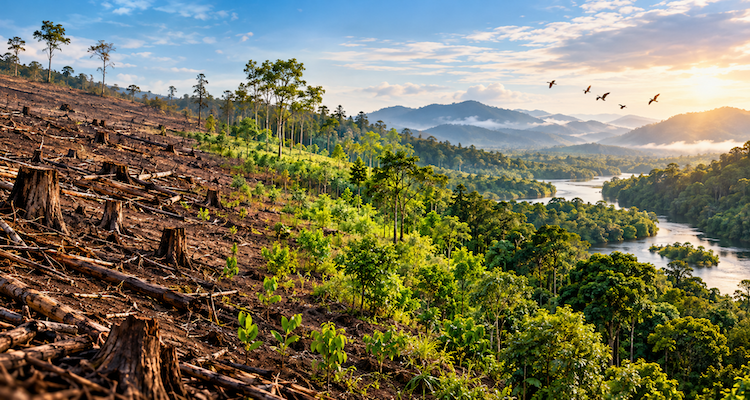
Tourism brings economic opportunities to destinations, but large visitor numbers can also create pressure on local infrastructure, housing, ecosystems and communities. The challenge is not simply to encourage people to travel less or more. It is to consider how travel affects the places being visited.
UN Tourism has emphasized the need for tourism development that is more resilient and sustainable, linking the sector’s long-term future with environmental and social responsibility.
For individual travellers, responsibility does not require perfection. It can begin with practical choices:
- Spending with locally owned businesses where possible.
- Learning basic cultural expectations before arriving.
- Respecting rules designed to protect heritage sites and natural environments.
- Avoiding the assumption that every local space exists for visitors’ entertainment.
- Considering whether an activity contributes to overcrowding or environmental damage.
- Leaving room to support communities rather than merely consuming experiences.
Responsible travel is not about turning every holiday into a moral exercise. It is about recognizing that destinations are lived-in places, not empty stages waiting for visitors.
Technology Has Changed Travel, but It Cannot Replace Discovery
Digital tools now influence almost every stage of a journey. Travellers can compare flights, reserve accommodation, navigate unfamiliar streets and translate signs from a smartphone.
These tools reduce friction, but they can also create a highly managed version of travel. An algorithm may recommend the same restaurants, viewpoints and attractions to millions of people.
Convenience is useful. Yet a journey designed entirely around recommendations can narrow the very sense of discovery that travel promises.
There is value in using technology as a guide rather than allowing it to become the entire experience. Maps can prevent someone from getting lost; they do not have to dictate every step. Reviews can help avoid poor choices; they do not have to determine every meal.
The balance is simple: use technology to make travel easier, but leave enough room for the destination to surprise you.
The Hidden Value of Returning Home Different
The strongest journeys often continue after the suitcase is unpacked.
Travel can expose people to different social norms, landscapes, languages and daily routines. It can make familiar assumptions appear less universal. A person may return with a new appreciation for public transport after navigating another city, a different understanding of food after seeing how it is produced, or a broader awareness of how geography shapes everyday life.
Travel does not automatically produce wisdom, and visiting a place briefly does not make someone an expert on it. That distinction is important. A traveller’s experience is only a partial view.
Still, direct exposure can create a useful kind of humility. It reminds us that a country cannot be fully understood through headlines, stereotypes or a handful of viral videos.
The goal is not to return believing that we now understand everything. It may be more valuable to return aware of how much there is still to learn.
A Better Measure of a Journey
Perhaps the most useful way to think about travel is not in terms of how many countries have been visited or how many attractions have been photographed.
A better measure may be what the journey made possible.
Did it create a genuine encounter? Did it reveal something unexpected? Did it encourage curiosity? Did it deepen appreciation for another place or way of life?
International tourism is likely to continue growing, although its future will remain shaped by economic conditions, geopolitical developments, climate-related risks and changing traveller priorities. UN Tourism expects continued growth in 2026, while also warning that high travel costs and geopolitical uncertainty remain significant risks.
Against that backdrop, the idea of travelling one experience at a time offers a useful alternative to the pressure to see everything.
The world does not become smaller because we can reach more of it. In many ways, every new destination reveals how much larger and more complex it really is. The most rewarding journey may therefore be the one that leaves enough time to notice.
Conclusion
Exploring the world is not a race to collect destinations. The places we remember most clearly are often connected to experiences that could not have been planned: a conversation, a landscape, a tradition, a taste or an unexpected change of direction.
As travel continues to recover and expand, the opportunity is not simply to go farther. It is to travel with greater curiosity, awareness and respect. Seeing more of the world has value, but understanding even a small part of it more deeply may be the experience that stays with us longest.
This content is published for informational or entertainment purposes. Facts, opinions, or references may evolve over time, and readers are encouraged to verify details from reliable sources.