









Why Travelers Are Discovering Cities After Dark
The traditional rhythm of tourism has long been shaped by daylight. Travelers wake early, rush through attractions, queue for landmarks, and attempt to fit an entire destination into a packed itinerary before sunset. Yet a growing shift is quietly changing how people experience the world. Increasingly, travelers are finding that some of the most meaningful moments happen after dark.
Night tourism, once considered a niche interest associated with nightlife districts or evening entertainment, is evolving into something much broader. Across cities, cultural sites, natural destinations, and tourism businesses, nighttime experiences are becoming a central part of travel planning rather than an afterthought.
The trend reflects more than a preference for evening activities. It signals a deeper change in what travelers value: slower exploration, reduced crowds, unique perspectives, and experiences that feel less scripted than traditional daytime sightseeing.
The Growing Appeal of a Different Side of Travel
Many popular destinations now face a common challenge. During the day, famous attractions can become crowded, expensive, and exhausting. Travelers often spend as much time navigating crowds as they do enjoying the destination itself.
At night, the same places can feel entirely different.
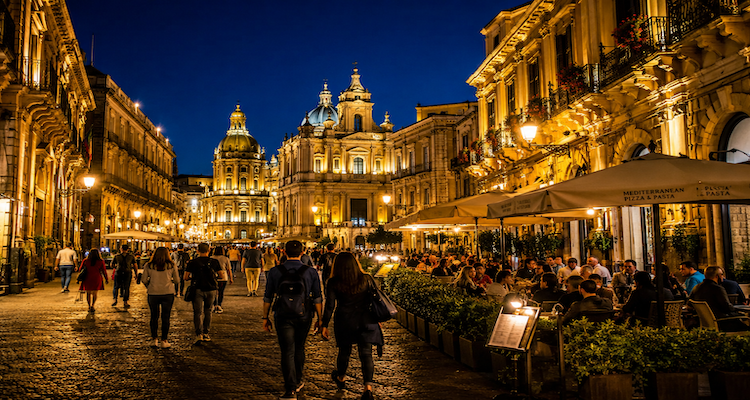
Historic districts become quieter. Architectural details emerge under carefully designed lighting. Waterfronts transform into social gathering spaces. Markets, food streets, and public squares often reveal a more authentic rhythm of local life.
For travelers seeking memorable experiences rather than simply checking attractions off a list, nighttime offers something increasingly valuable: atmosphere.
This shift is especially noticeable among younger travelers and experience-focused tourists who prioritize unique moments over traditional sightseeing. The photograph of a city skyline illuminated after sunset often carries more emotional impact than a crowded daytime image of a famous monument.
Cities Are Actively Designing for the Night
One of the most important developments behind the rise of night tourism is that destinations themselves are embracing it.
Many cities are extending museum hours, organizing evening cultural programs, hosting night markets, and investing in lighting that highlights historic architecture and public spaces.
The goal is not simply to entertain visitors after sunset. It is also a practical response to growing tourism pressures.
When visitor activity spreads across more hours of the day, destinations can reduce congestion, distribute economic activity more evenly, and create a better experience for both residents and tourists.
This approach has become particularly attractive in locations where overtourism has strained infrastructure and local communities. Instead of encouraging more visitors, cities are encouraging visitors to experience destinations differently.
The result is a broader tourism economy that operates beyond traditional business hours.
The Rise of Nighttime Experiences
Night tourism extends far beyond bars and entertainment districts.
Astronomy tourism has gained popularity as travelers seek dark-sky locations where they can observe stars, meteor showers, and celestial events. National parks and remote destinations increasingly offer guided night walks and stargazing experiences.
Urban tourism is evolving as well. Evening food tours, illuminated heritage sites, cultural performances, and nighttime photography experiences are attracting travelers who want to see destinations from a different perspective.
Wildlife tourism has also expanded into the evening hours. In some destinations, nocturnal species emerge only after sunset, creating experiences impossible to replicate during the day.
Even luxury travel has embraced the trend. Private after-hours museum access, exclusive evening events, and curated nighttime experiences are becoming premium offerings designed around privacy and exclusivity.
Why Travelers Are Choosing the Night
Several behavioral changes help explain the momentum behind this trend.
First, travelers are increasingly prioritizing quality over quantity. Rather than trying to see everything, many people prefer deeper engagement with fewer places.
Nighttime naturally encourages this slower pace.
Second, remote work and flexible schedules have altered travel habits. Travelers who are no longer confined to rigid vacation timetables can structure their days differently. Some work during daylight hours and explore destinations in the evening.
Third, social media has subtly reshaped travel preferences. Unique experiences often generate more interest than familiar tourist photographs. A lantern-lit street, an illuminated castle, or a midnight food market can feel more distinctive than standard daytime sightseeing.
Yet the trend goes beyond social sharing. Many travelers simply find nighttime environments more emotionally engaging. Cities reveal different personalities after dark. Sounds change. Crowds thin. Landmarks become dramatic rather than familiar.
The destination itself feels transformed.
A Hidden Economic Opportunity
One underreported aspect of night tourism is its economic significance.
Traditionally, tourism spending was concentrated during daytime operating hours. Hotels benefited overnight, but many attractions, restaurants, and cultural venues depended heavily on daytime visitors.
Night tourism extends the visitor economy.
Restaurants gain additional business. Transportation systems remain active. Cultural institutions attract new audiences. Small businesses operating in evening markets gain exposure to travelers who might otherwise miss them.
For destinations seeking sustainable tourism growth, this matters.
Instead of increasing visitor numbers indefinitely, cities can increase the value generated from existing visitors by creating experiences across a longer timeframe.
In many cases, this approach is more sustainable than simply pursuing higher tourist volumes.
Safety, Technology, and Changing Expectations
The growth of night tourism would be difficult without improvements in infrastructure and technology.
Navigation apps, ride-hailing platforms, digital payment systems, and real-time transportation information have made travelers more comfortable exploring unfamiliar places after sunset.
Lighting design has also become an important part of destination planning. Well-lit public spaces improve both aesthetics and perceived safety.
Travelers today expect destinations to be accessible and navigable at all hours. Cities that successfully meet these expectations often gain a competitive advantage in the tourism market.
However, challenges remain. Safety concerns, transportation availability, and community impacts must be carefully managed. Successful night tourism depends on balancing visitor experiences with the needs of local residents.
What This Trend Reveals About Modern Travel
Perhaps the most interesting aspect of night tourism is what it reveals about changing travel values.
For decades, tourism focused heavily on visibility. Travelers wanted to see landmarks, attractions, and famous locations.
Today, many travelers are searching for something less tangible. They want mood, atmosphere, discovery, and connection.
Nighttime experiences align naturally with these goals because they often feel more personal and less standardized.
A traveler may forget the exact facts shared during a daytime tour. They are less likely to forget wandering through a beautifully illuminated old town, listening to local music in a public square, or watching a city gradually come alive after sunset.
These moments create emotional memories rather than simply informational ones.
That distinction may explain why night tourism is becoming more than a temporary trend.
The Future of Travel After Dark
As destinations compete for attention in an increasingly crowded travel market, nighttime experiences are likely to become a more important part of tourism strategy.
Cities, cultural institutions, hospitality businesses, and tour operators are recognizing that travelers are looking for experiences that feel distinctive, immersive, and memorable.
Night tourism offers all three.
The future may not belong to destinations with the most attractions, but to those that can create meaningful experiences throughout the entire day, and especially after the sun goes down.
For travelers, that means the most rewarding part of a trip may no longer begin in the morning. It may begin when the lights come on, the crowds disappear, and a destination reveals a side of itself that daylight rarely shows.
This content is published for informational or entertainment purposes. Facts, opinions, or references may evolve over time, and readers are encouraged to verify details from reliable sources.