










Why Recovery Tracking Is Becoming the New Fitness Habit for Healthy People
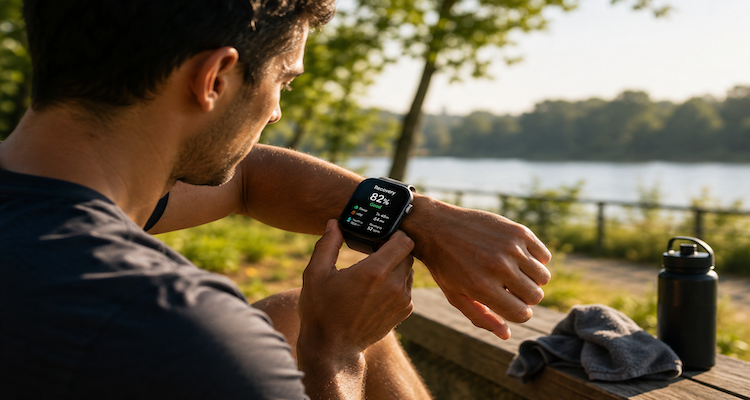
For years, fitness culture rewarded a simple mindset: train harder, lift heavier, run farther. Wearable devices reinforced that approach by celebrating streaks, calorie burn, and daily activity goals. But a noticeable shift is changing the conversation. More people who already consider themselves healthy are paying closer attention to how well they recover than how intensely they exercise.
This isn’t a sign that people are becoming less committed to fitness. If anything, it reflects a more mature understanding of what health actually looks like. Instead of asking, “How hard did I work today?” many are beginning to ask, “Is my body ready to perform at its best tomorrow?”
That subtle change is reshaping everything from workout routines and sleep habits to wearable technology and workplace wellness. Recovery, once viewed as downtime, is increasingly being recognized as an active part of staying healthy.
From Measuring Effort to Measuring Readiness
Fitness trackers initially focused on counting steps, estimating calories burned, and recording exercise sessions. Those metrics remain useful, but they reveal only part of the picture.
Newer devices increasingly estimate factors such as sleep quality, resting heart rate, heart rate variability (HRV), respiratory rate, and overall recovery or readiness scores. Rather than encouraging users to exercise every day regardless of fatigue, many now suggest lighter activity or additional rest when recovery appears incomplete.
This reflects a broader understanding that physical stress and recovery work together. Exercise challenges the body, but adaptation the process that leads to improved strength, endurance, or fitness occurs during recovery.
For healthy individuals, that insight can be just as valuable as tracking workouts themselves.
Why Recovery Is Gaining Attention
Several trends are driving this growing interest.
The first is better access to personal health data. Wearable devices have made information that was once limited to athletes or researchers available to everyday users. While consumer devices are not medical instruments, they can reveal patterns that encourage healthier habits.
Another factor is changing attitudes toward performance. Whether someone is training for a marathon, managing a demanding career, or balancing family responsibilities, feeling consistently energetic has become more valuable than simply completing another workout.
Many people have also experienced periods of burnout in different areas of life. That awareness has carried into fitness, encouraging a more balanced approach rather than celebrating constant intensity.
Recovery Is More Than Rest
The word “recovery” often brings to mind sitting on the couch or taking a day off. In reality, it encompasses a much broader set of habits.
Quality sleep remains the foundation. During sleep, the body supports muscle repair, hormone regulation, and numerous physiological processes that influence physical and mental performance.
Nutrition also plays a significant role. Adequate protein, hydration, and balanced meals help replenish energy stores and support recovery after exercise.
Stress management matters as well. Emotional stress, demanding work schedules, travel, and insufficient sleep all affect the body’s ability to recover, even if exercise levels remain unchanged.
Light movement such as walking, stretching, yoga, or mobility work may also support recovery without placing additional strain on the body.
Viewed this way, recovery becomes an everyday practice rather than an occasional break from training.
Healthy Doesn’t Always Mean Fully Recovered
One of the most interesting lessons emerging from recovery tracking is that appearing healthy does not necessarily mean the body is fully prepared for another demanding workout.
Someone may feel motivated to exercise while still experiencing the cumulative effects of poor sleep, elevated stress, or several consecutive high-intensity sessions.
Recovery metrics are not perfect, nor should they replace personal judgment or medical advice. However, they can encourage people to pause before pushing through fatigue unnecessarily.
For many users, the goal is no longer achieving the highest possible workout volume. Instead, it’s maintaining consistent performance over months and years without excessive fatigue or injury.
The Hidden Shift in Fitness Culture
Perhaps the biggest change isn’t technological, it’s psychological.
Traditional fitness often rewarded discipline through visible effort. Long workouts and constant training became symbols of commitment.
Recovery-focused fitness values sustainability instead.
Taking an easier day when needed is increasingly viewed as smart decision-making rather than a lack of motivation. This mindset encourages people to think in terms of long-term health rather than short-term achievement.
That shift may also make fitness more accessible. Beginners who once believed they needed to exercise intensely every day can build healthier routines by respecting recovery alongside activity.
Wearables Are Becoming Wellness Coaches
Today’s fitness devices increasingly aim to interpret data rather than simply collect it.
Instead of displaying dozens of disconnected metrics, many platforms now summarize information into daily readiness scores, recovery recommendations, sleep insights, or personalized activity suggestions.
This evolution reflects a broader trend in digital health. People often don’t need more information, they need help understanding which information matters today.
While these recommendations should never replace healthcare professionals, they can encourage healthier daily decisions, particularly when users view trends over time instead of reacting to a single day’s reading.
An Important Reality Check
Recovery tracking has undeniable benefits, but it also has limitations.
Consumer wearables estimate many physiological measures using proprietary algorithms that can vary between brands. Individual readings may fluctuate because of illness, stress, travel, hydration, or even sensor placement.
Experts generally recommend using these metrics as guidance rather than absolute truth. The most useful insights often come from observing long-term patterns instead of focusing on isolated numbers.
Equally important is listening to the body’s own signals. Persistent fatigue, pain, dizziness, or other concerning symptoms deserve professional medical evaluation regardless of what a wearable device reports.
Technology can support healthy habits, but it should complement not replace self-awareness and appropriate medical care.
What This Trend Says About Modern Health
The growing focus on recovery reflects a broader cultural change.
Health is increasingly being defined not simply by how much people can accomplish, but by how consistently they can feel well, perform effectively, and avoid burnout.
This perspective extends beyond athletes. Office workers, parents, students, and older adults all face physical and mental demands that influence recovery.
The conversation is shifting from maximizing output to optimizing resilience.
That may prove to be one of the most meaningful changes in modern wellness. Instead of treating recovery as something earned after hard work, people are beginning to recognize it as one of the essential ingredients that makes sustainable performance possible.
Looking Ahead
Recovery tracking is likely to become even more personalized as wearable technology continues to evolve. Future devices may integrate additional health indicators, environmental factors, and lifestyle patterns to provide more tailored guidance.
Even without perfect technology, the broader lesson is already clear.
Fitness isn’t measured only by how much work the body can perform today. It is also reflected in how effectively the body restores itself for tomorrow.
For healthy individuals seeking long-term well-being, that may be the most valuable metric of all.
This article is provided for general informational and educational purposes. It is not medical advice, diagnosis, or a substitute for consultation with a qualified healthcare professional. Health evidence can change, and individual circumstances vary.