










How Wildlife Is Becoming Essential to Water Security
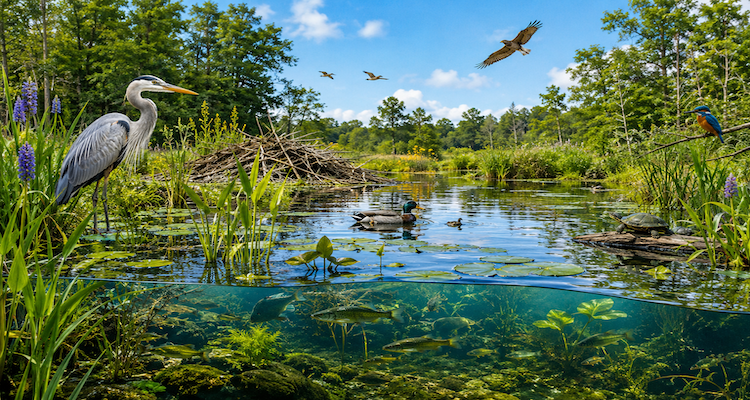
Water security is often discussed in terms of dams, reservoirs, pipelines, and treatment plants. Yet one of the most effective systems for protecting clean and reliable water rarely appears in infrastructure plans: wildlife. Across forests, wetlands, rivers, and coastlines, countless animal species help sustain the natural processes that keep freshwater ecosystems functioning. As climate pressures intensify and water scarcity becomes a growing concern, the role of wildlife is gaining renewed attention not as a conservation ideal, but as a practical necessity.
The shift reflects a broader understanding of how ecosystems work. Healthy landscapes depend on intricate relationships between plants, animals, soil, and water. Remove key species from the equation, and the effects can ripple far beyond biodiversity, influencing water quality, flood resilience, and even the availability of freshwater for communities. Water security is increasingly being viewed not only as an engineering challenge but also as an ecological one.
Nature’s Engineers at Work
Many wildlife species perform roles that directly or indirectly influence how water moves, is stored, and remains clean.
Beavers provide one of the best-known examples. By building dams, they create wetlands that slow water flow, reduce downstream flooding, replenish groundwater, and provide habitats for countless other species. Their engineering demonstrates how a single animal can reshape entire watersheds.
Fish also contribute in less obvious ways. Migratory species transport nutrients between ecosystems, supporting aquatic vegetation that stabilizes riverbanks and improves water quality. Amphibians, often regarded as indicators of environmental health, can reveal changes in freshwater systems long before those changes become visible to people.
Birds, insects, and mammals help maintain wetlands by dispersing seeds, controlling invasive species, and supporting vegetation that naturally filters pollutants. Together, these ecological interactions create resilient landscapes capable of storing and purifying water without mechanical intervention.
Healthy Ecosystems Mean Cleaner Water
Forests and wetlands are frequently described as natural water filters, but wildlife is an essential part of keeping those ecosystems functioning.
Animals influence soil structure through burrowing, grazing, and nutrient cycling. These activities improve the soil’s ability to absorb rainfall, reducing erosion and allowing groundwater reserves to recharge more effectively. Rich biodiversity also supports diverse plant communities, whose roots stabilize riverbanks and reduce sediment entering streams.
When biodiversity declines, these natural processes often weaken. Waterways may experience increased sedimentation, poorer water quality, and greater vulnerability to pollution following heavy rainfall.
This growing body of ecological understanding is encouraging governments, conservation groups, and water managers to look beyond traditional infrastructure when planning for future water resilience.
Climate Change Is Raising the Stakes
Climate change has made water systems increasingly unpredictable. Longer droughts, more intense rainfall, and shifting seasonal patterns place greater pressure on rivers, lakes, and groundwater supplies.
Wildlife-rich ecosystems often respond more effectively to these changes because biodiversity increases ecological resilience. Diverse species perform overlapping functions, allowing ecosystems to adapt even when environmental conditions shift.
For example, wetlands with healthy wildlife populations can absorb excess rainfall during storms and slowly release water during dry periods. This natural buffering reduces flood risks while helping sustain stream flows during drought.
The result is a valuable form of climate adaptation that requires maintaining living ecosystems rather than relying solely on costly engineered solutions.
Why Conservation Is Becoming a Water Strategy
Historically, wildlife conservation focused primarily on protecting endangered species and preserving natural heritage. Today, many conservation initiatives are increasingly linked with practical societal benefits, including water security.
Protecting forests upstream of major cities can reduce water treatment costs by maintaining cleaner source water. Restoring wetlands can improve flood protection while creating habitats for native wildlife. River restoration projects often produce benefits for fisheries, tourism, agriculture, and drinking water simultaneously.
This integrated approach reflects an important shift in environmental thinking. Wildlife conservation is no longer viewed only as protecting nature for its own sake, it is increasingly recognized as supporting essential ecosystem services upon which human societies depend.
Agriculture and Communities Feel the Impact
The relationship between wildlife and water extends well beyond protected natural areas. Farms, rural communities, and urban populations all rely on functioning watersheds.
Pollinators support agricultural productivity, while healthy river ecosystems sustain fisheries that provide food and livelihoods in many regions. Riparian habitats the vegetated areas alongside rivers help reduce runoff from farmland before it reaches waterways.
Communities downstream often benefit from conservation efforts taking place many kilometers away. Protecting habitats in upper watersheds can improve water availability, reduce sediment buildup in reservoirs, and lower the risk of costly flood damage.
As water resources become increasingly contested, maintaining healthy ecosystems may become one of the most cost-effective investments communities can make.
The Hidden Economic Value of Wildlife
Wildlife is rarely included in discussions about economic infrastructure, yet its contributions can significantly reduce environmental management costs.
Natural floodplains lessen the need for expensive flood-control projects. Healthy wetlands filter pollutants before they reach treatment facilities. Forest ecosystems stabilize slopes, reducing erosion that would otherwise shorten the lifespan of reservoirs and dams.
These natural services often operate continuously without energy consumption or ongoing maintenance costs associated with engineered infrastructure.
Increasingly, economists and policymakers are exploring ways to incorporate ecosystem services into long-term planning. While assigning monetary value to nature remains complex, the broader recognition that healthy wildlife populations contribute measurable economic benefits is becoming more widely accepted.
A New Way of Thinking About Water
One of the most significant changes occurring today is conceptual rather than technological. Water security is gradually shifting from being viewed as a purely human-managed system toward one that depends on ecological health.
This perspective encourages cross-sector collaboration between engineers, ecologists, urban planners, farmers, and conservation organizations. Instead of treating environmental protection and economic development as competing priorities, many projects now seek solutions that support both.
Nature-based approaches including wetland restoration, river rewilding, sustainable forest management, and habitat conservation are increasingly being considered alongside conventional infrastructure investments.
These efforts do not replace engineering. Instead, they complement traditional water management by strengthening the natural systems that engineered infrastructure ultimately depends upon.
Why Public Awareness Matters
Despite growing scientific understanding, many people remain unaware of the connection between wildlife and the water they use every day.
Conservation discussions often focus on charismatic animals or endangered species, while the ecosystem functions those species support receive far less attention. Yet public awareness can influence land-use decisions, conservation funding, and support for restoration projects that benefit both biodiversity and water resources.
Understanding this relationship also changes how individuals view environmental stewardship. Protecting habitats is not simply about preserving landscapes for future generations; it is about safeguarding systems that support drinking water, food production, public health, and climate resilience today.
Looking Ahead
As populations grow and climate uncertainty increases, securing reliable freshwater supplies will require more than expanding reservoirs or improving treatment technology. Healthy ecosystems and thriving wildlife populations are emerging as equally important components of resilient water systems.
Future water security strategies are likely to place greater emphasis on restoring degraded habitats, protecting biodiversity, and integrating ecological knowledge into infrastructure planning. While challenges remain, one lesson is becoming increasingly clear: the health of wildlife and the health of our water are deeply interconnected.
Recognizing that connection offers an opportunity to rethink conservation not merely as an environmental responsibility, but as a practical investment in the stability of societies, economies, and everyday life.
This content is published for informational or entertainment purposes. Facts, opinions, or references may evolve over time, and readers are encouraged to verify details from reliable sources.