










Why Communities Are Rediscovering Their Forgotten Local Legends
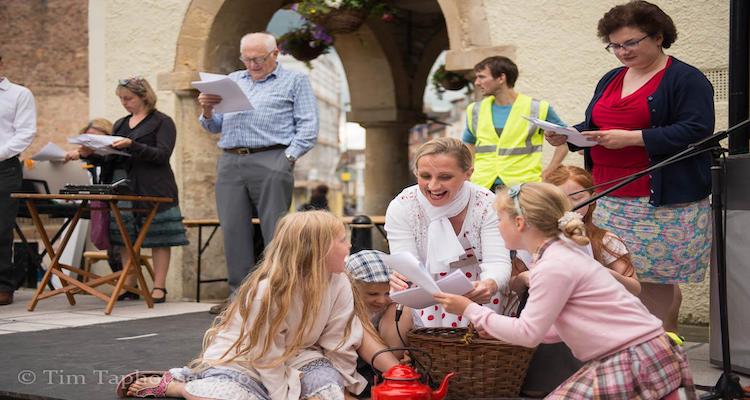
A curious shift is taking place in towns, villages, and neighborhoods around the world. Stories that once lived only in the memories of grandparents, local historians, and aging community members are finding new audiences. Forgotten legends, regional folklore, and long-overlooked local histories are returning to public conversation not through official campaigns alone, but through community projects, social media groups, podcasts, festivals, and grassroots storytelling efforts.
For decades, many communities focused their attention outward. National narratives, global entertainment, and digital culture often overshadowed local traditions. Yet as people become increasingly connected to the wider world, many are also experiencing a growing desire to reconnect with something closer to home. In response, communities are rediscovering the stories that helped shape their identity long before the internet connected everyone to the same cultural trends.
This revival is about more than nostalgia. It reflects a deeper search for belonging, continuity, and meaning in an era when many people feel detached from place and history.
The Stories That Nearly Disappeared
Every community possesses stories that exist somewhere between history and folklore. Some tell of remarkable individuals whose contributions faded from public memory. Others involve mysterious landmarks, local heroes, cultural traditions, or events passed down through generations.
Many of these narratives were never formally documented. They survived through oral storytelling, community gatherings, and family conversations. As lifestyles changed and younger generations moved away from traditional forms of community engagement, many local stories began to fade.
Urbanization, migration, and digital entertainment accelerated this process. When communities become more mobile and interconnected, local narratives often compete with an endless stream of global content. The result is that stories once considered common knowledge can disappear within a generation.
Yet disappearance is not the same as extinction. In many places, these stories remained dormant, waiting for a new reason to be told.
Why Interest Is Growing Again
Several cultural shifts are fueling renewed interest in local legends and forgotten histories.
One factor is the growing appreciation for authenticity. Audiences increasingly seek experiences that feel unique and rooted in real places. A local legend tied to a neighborhood bridge or centuries-old building often feels more meaningful than another generic online trend.
Another driver is the rise of community-driven digital platforms. Social media groups dedicated to local history have become gathering places where residents share photographs, family memories, newspaper clippings, and forgotten anecdotes. What was once stored in a dusty archive can now reach thousands of people within hours.
Podcasts and independent creators have also played a significant role. Storytelling formats that blend history, culture, and mystery have introduced audiences to regional narratives that traditional media often overlooked.
Perhaps most importantly, many communities are recognizing that preserving stories is a way of preserving identity. As towns grow and neighborhoods change, local legends provide continuity between past and present.
More Than Folklore: The Search for Identity
The renewed interest in local legends reveals something larger about modern society.
People are increasingly searching for a sense of place. Globalization has expanded opportunities and connections, but it has also created cultural similarities across cities and countries. Shopping districts, entertainment habits, and digital experiences often look remarkably alike.
Local stories offer a counterbalance. They remind communities that their history is distinct.
A forgotten legend about a river, a mountain, or a historic figure gives residents something uniquely their own. It transforms a location from a collection of buildings into a place with memory and meaning.
This is particularly important for younger generations. Understanding local stories can create a stronger connection to community and encourage civic engagement. People are often more invested in protecting and improving places when they feel connected to their history.
Tourism Is Changing the Conversation
The revival of local legends is also influencing travel and tourism.
Travelers increasingly seek experiences that go beyond famous landmarks. Many want to understand the character of a destination rather than simply visit its most photographed locations.
Communities have begun recognizing the value of their cultural narratives. Historic walking tours, storytelling festivals, heritage trails, and local museums often use legends and folklore to provide deeper context for visitors.
Unlike large-scale tourist attractions, local stories offer something difficult to replicate elsewhere. They create experiences rooted in specific landscapes, traditions, and community memories.
This shift reflects a broader trend in tourism: visitors are becoming more interested in cultural depth than surface-level attractions.
The Role of Technology in Preserving the Past
Interestingly, technology is helping revive traditions that technology was once accused of replacing.
Digital archives, online mapping tools, podcasts, video platforms, and community websites have made it easier than ever to preserve and share local stories. Residents can record interviews with elders, digitize historical documents, and create multimedia projects that bring forgotten narratives to life.
Artificial intelligence and transcription tools are also helping organizations process historical records more efficiently, making previously inaccessible materials easier to explore.
The result is a fascinating partnership between old and new. Ancient stories are finding new audiences through modern platforms.
Rather than replacing cultural memory, technology is increasingly serving as a tool for cultural preservation.
The Hidden Insight: Communities Are Rebuilding Social Connection
One of the most overlooked aspects of this trend is its impact on social cohesion.
When communities share stories, they create shared reference points. These narratives become part of a collective identity that connects people across age groups, backgrounds, and experiences.
In an age often characterized by social fragmentation, local storytelling creates opportunities for connection. Older residents contribute memories. Younger generations bring digital skills. Historians provide context. Artists reinterpret traditions for contemporary audiences.
The process itself becomes a form of community building.
This may explain why the revival of local legends is appearing in places with very different cultures and histories. The stories matter, but the act of rediscovering them matters just as much.
Communities are not simply preserving the past, they are creating new relationships in the present.
What Makes This Moment Different
Interest in local history is not new, but today’s revival differs from previous preservation efforts.
Historically, local histories were often maintained by a small group of experts, archivists, or enthusiasts. Today, participation is far broader. Anyone with a smartphone can contribute photographs, memories, or family stories.
This democratization of storytelling is changing how communities engage with their heritage. Instead of history being something people consume, it becomes something they actively help create and preserve.
At the same time, younger audiences are approaching local legends with fresh perspectives. They are not only interested in what happened but also in what those stories reveal about culture, identity, migration, resilience, and community values.
As a result, forgotten stories are gaining new relevance.
The Future of Local Legends
The return of local legends suggests that communities are responding to a broader cultural need. Amid rapid technological change and constant global connectivity, people continue to seek roots as well as reach.
The stories being rediscovered today may not always be historically perfect. Some will remain part history, part folklore. Yet their value often lies beyond factual details alone.
They help communities remember where they came from, understand how they evolved, and imagine where they might go next.
In a world filled with information, local legends offer something increasingly rare: a sense of place. Their return is not merely about preserving old stories. It is about recognizing that communities still need narratives that belong to them—and that those narratives may become even more important in the years ahead.
This content is published for informational or entertainment purposes. Facts, opinions, or references may evolve over time, and readers are encouraged to verify details from reliable sources.
Related News
- When Language Becomes Invisible: How Translation Technology Is Reshaping Cultural Identity
- When Convenience Replaces Effort: The Hidden Cultural Costs of a Frictionless World
- Why Shared Experiences Are Replacing Shared Beliefs as the New Social Glue
- Why Personal Life Archives Are Becoming a Modern Necessity