







When Outdoor Adventures Leave a Bigger Ecological Footprint Than Expected
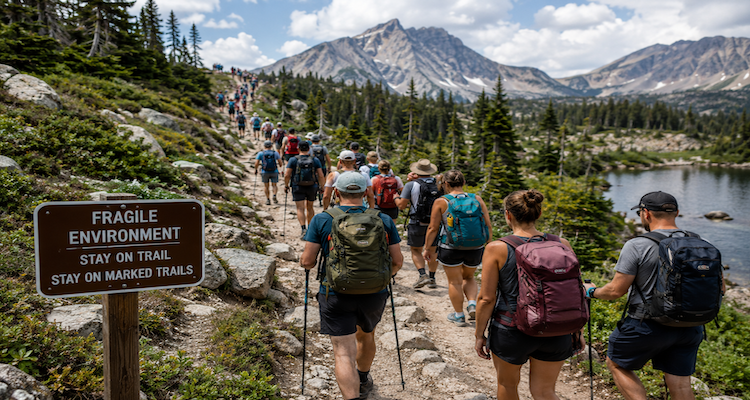
A quiet hiking trail becomes popular on social media. A remote lake gains attention through travel videos. A lesser-known camping destination suddenly finds itself welcoming thousands of new visitors. What begins as a celebration of nature can sometimes create pressures that the landscape was never designed to handle.
Outdoor recreation has experienced remarkable growth in recent years. Hiking, mountain biking, camping, kayaking, wildlife photography, and trail running have attracted people seeking healthier lifestyles, digital detoxes, and meaningful experiences in nature. While this shift has brought environmental awareness to broader audiences, it has also revealed a less visible reality: more people enjoying natural spaces does not automatically translate into better outcomes for ecosystems.
The growing popularity of outdoor recreation is creating ecological impacts that often remain unnoticed until damage becomes difficult to reverse.
Nature’s Popularity Comes With New Pressures
Many outdoor destinations were originally developed to accommodate modest visitor numbers. Trails, campsites, parking areas, and access roads were designed around certain expectations of use. As recreation demand increases, those systems can quickly become overwhelmed.
Foot traffic may seem harmless, but repeated use can compact soil, damage plant life, and accelerate erosion. Trails widen as visitors step off designated paths to avoid mud or congestion. Over time, small changes can alter drainage patterns, affect vegetation growth, and increase sediment runoff into nearby waterways.
In fragile environments such as alpine regions, wetlands, coastal dunes, and desert ecosystems, recovery can take years or even decades. Some plants damaged by recreational activity may require extended periods to regenerate, particularly in areas with short growing seasons.
The challenge is not that people are visiting nature. The challenge is that many ecosystems are experiencing levels of human activity they have never encountered before.
Wildlife Is Changing Its Behavior
One of the least visible consequences of recreation booms involves wildlife.
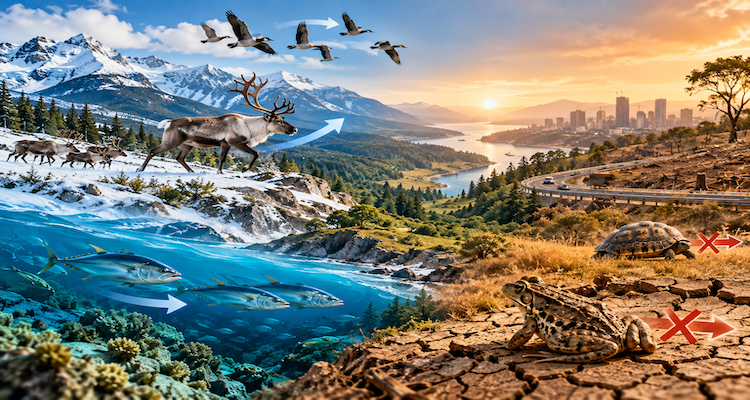
Animals often adapt their behavior in response to increased human presence. In heavily visited areas, species may avoid feeding grounds, nesting sites, migration routes, or watering locations during peak visitor periods.
Researchers and conservation managers in many regions have observed animals becoming more nocturnal or shifting their movement patterns to avoid human encounters. While such adaptations may help species survive in the short term, they can also create additional stress and reduce access to critical resources.
Wildlife photography, drone usage, and close-range observation can further increase disturbances if not carefully managed. Even well-intentioned visitors may unknowingly disrupt breeding cycles or nesting behavior.
The irony is striking. People often enter natural spaces hoping to connect with wildlife, yet growing recreational activity can make wildlife less visible and more cautious.
Social Media Has Changed How Recreation Spreads
Outdoor recreation trends once spread gradually through guidebooks, local recommendations, and travel publications. Today, a single viral post can transform a relatively unknown location into a major attraction almost overnight.
This shift has introduced a new dynamic for conservation managers. Places that previously experienced steady, manageable visitation can suddenly face surges of visitors without adequate infrastructure, staffing, or environmental protections.
The phenomenon is sometimes referred to as destination exposure, where digital visibility outpaces environmental readiness. A scenic viewpoint or hidden waterfall may become globally recognizable before local authorities have the resources to manage increased demand.
As a result, ecological impacts are no longer limited to famous national parks. Smaller and previously overlooked locations increasingly face similar pressures.
The Hidden Infrastructure Behind Outdoor Recreation
When people think about recreation impacts, they often focus on trails and campsites. Yet much of the ecological footprint originates from supporting infrastructure.
Road expansions, parking facilities, visitor centers, restrooms, waste management systems, and accommodation developments can alter habitats and fragment ecosystems. Increased vehicle traffic may contribute to noise pollution and wildlife disturbance.
Even activities promoted as environmentally friendly can carry indirect impacts when recreation demand grows rapidly. The environmental equation extends beyond what happens on the trail itself.
This does not mean outdoor recreation is inherently harmful. Rather, it highlights the importance of understanding recreation as a system that includes transportation, infrastructure, resource use, and land management.
A Shift in the Relationship Between People and Nature
One of the most interesting developments is cultural rather than ecological.
Outdoor recreation is increasingly becoming part of personal identity. Hiking achievements, adventure travel, endurance challenges, and nature experiences are often documented and shared online. For many people, outdoor activities provide community, wellness benefits, and a sense of purpose.
This trend has undeniable positive aspects. Greater public engagement with nature can strengthen support for conservation, environmental education, and protected areas.
However, it also creates a paradox. As more people seek authentic experiences in natural settings, the cumulative demand can gradually reduce the very qualities that made those places attractive.
The issue is no longer simply access versus protection. It is about finding ways to balance meaningful human experiences with ecological resilience.
Why This Moment Feels Different
Human recreation has always affected landscapes. What makes the current period unique is the combination of several powerful forces occurring simultaneously.
Remote work has increased flexibility for travel and outdoor activities. Social media accelerates destination discovery. Improved equipment makes remote areas more accessible. Health and wellness trends encourage greater participation in outdoor pursuits.
Together, these factors are expanding recreation beyond traditional tourist seasons and beyond traditional recreation hubs.
As a result, conservation challenges are becoming more complex. Managers must consider not only visitor numbers but also changing patterns of use, seasonal pressures, and the speed at which new recreation trends emerge.
The Future May Depend on Smarter Recreation
The growing ecological footprint of outdoor recreation does not suggest people should stop exploring nature. In many ways, public connection to natural spaces remains essential for long-term conservation support.
The more important question is how recreation evolves.
Future solutions may include better visitor education, improved trail design, reservation systems in sensitive areas, habitat restoration programs, and technologies that help distribute visitor traffic more evenly across landscapes. Some destinations are already experimenting with strategies that encourage responsible recreation while protecting vulnerable ecosystems.
Perhaps the most valuable shift is recognizing that appreciation and protection must go hand in hand. Enjoying nature is not separate from conservation; it is increasingly part of the same conversation.
The hidden ecological impact of outdoor recreation booms offers an important reminder. The popularity of natural spaces reflects a positive desire to reconnect with the environment. Yet lasting stewardship requires understanding that even beneficial activities can carry consequences when scaled across millions of participants.
The future of outdoor recreation may ultimately depend not on how many people visit nature, but on how thoughtfully they do so.
This content is published for informational or entertainment purposes. Facts, opinions, or references may evolve over time, and readers are encouraged to verify details from reliable sources.