
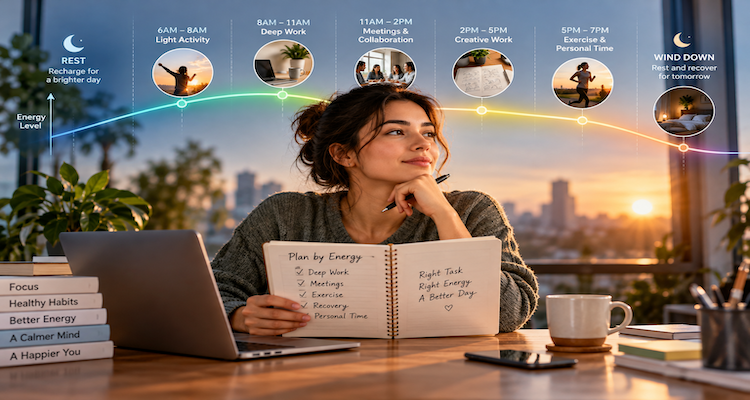









Why More Homes Are Being Designed for Recovery Instead of Productivity
For years, the ideal home was expected to do more. It needed to support work, fitness, entertainment, learning, socializing, and increasingly, remote employment. Spare rooms became offices, dining tables became workstations, and productivity often became the defining goal of residential design.
A quieter shift is now taking place. Instead of asking how a home can help people accomplish more, many are asking how it can help them recover. The focus is moving from efficiency to restoration, from output to well-being.
This change reflects something larger than interior design trends. It reveals a growing recognition that constant productivity carries hidden costs and that the spaces people inhabit can either amplify stress or help alleviate it.
The End of the Productivity-First Home
The rise of remote and hybrid work transformed homes into multifunctional environments. For many people, the boundaries between professional and personal life became increasingly blurred.
While this arrangement offered flexibility, it also introduced a new challenge. When the same room serves as an office, meeting space, dining area, and relaxation zone, the brain receives fewer signals that it is time to switch off.
As a result, many homeowners and renters have begun prioritizing spaces that encourage mental recovery rather than continuous engagement. The goal is not necessarily luxury or larger homes. Instead, it is creating environments that support psychological decompression after long periods of digital and cognitive activity.
This shift can be seen in everything from furniture choices to room layouts. Spaces designed solely for work are increasingly being balanced by areas intended for reading, reflection, hobbies, conversation, or simply doing nothing at all.
Why Mental Recovery Has Become a Design Priority
Modern life places unprecedented demands on attention.
Notifications, video calls, streaming platforms, social media feeds, and endless digital information compete for mental bandwidth throughout the day. Even leisure activities often involve screens and constant stimulation.
As awareness of mental fatigue grows, people are becoming more intentional about how their surroundings affect their mood and energy levels.
Design elements that once seemed secondary natural light, acoustics, comfortable seating, visual simplicity, and access to nature are now receiving greater attention. Rather than treating relaxation as an afterthought, many households are incorporating recovery into the design process itself.
The popularity of wellness-oriented architecture and biophilic design reflects this growing interest. Features such as indoor plants, natural materials, outdoor views, and calming textures are increasingly valued not because they boost productivity, but because they create a sense of ease and restoration.
The Rise of Recovery Zones
One of the most noticeable developments is the emergence of dedicated recovery spaces within homes.
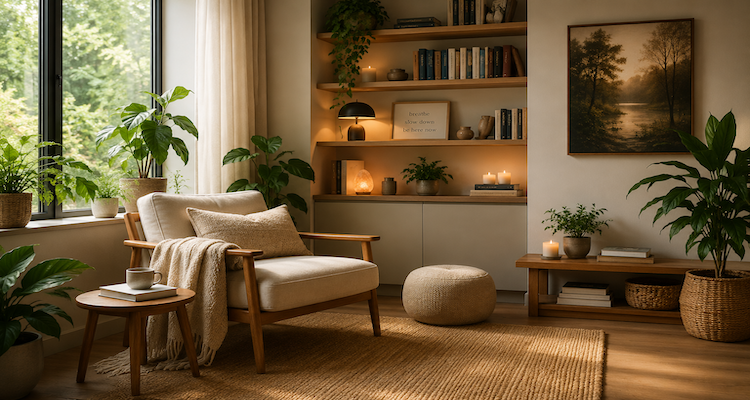
These areas are often smaller and simpler than traditional home offices. They may include a comfortable chair near a window, a reading corner, a meditation space, a hobby table, or a technology-free room designed to reduce sensory overload.
The significance of these spaces lies less in their function and more in their purpose. They are intentionally separated from work-related tasks and performance expectations.
This reflects a broader understanding that rest is not merely the absence of work. Effective recovery often requires environments that support mental transition and emotional reset.
In many cases, homeowners are discovering that a well-designed recovery space contributes to overall well-being more effectively than adding another productivity tool or workspace upgrade.
The Influence of Wellness Culture
The growing emphasis on recovery is also connected to broader cultural conversations around burnout, work-life balance, and mental health.
Over the past decade, wellness has evolved beyond fitness routines and nutrition plans. Increasingly, it includes environmental factors such as lighting, noise levels, air quality, and spatial design.
Hospitality brands have embraced this shift by creating hotel experiences centered on rest and relaxation. Residential design is beginning to follow a similar path.
Consumers are paying closer attention to how physical environments affect sleep quality, concentration, stress levels, and emotional resilience. As a result, home design is becoming less focused on appearance alone and more focused on how spaces make people feel.
This evolution may explain why minimalist design continues to attract interest. For many, simplicity is not about aesthetics but about reducing mental clutter in an already information-heavy world.
A Hidden Shift in Consumer Priorities
Perhaps the most interesting aspect of this trend is what it reveals about changing definitions of success.
For decades, productivity was often viewed as the ultimate measure of effectiveness. Homes reflected this mindset through dedicated workspaces, organizational systems, and efficiency-focused layouts.
Today, a growing number of people appear to be valuing recovery as a form of performance support rather than a reward earned afterward.
This is a subtle but important distinction.
Instead of viewing rest as something that happens after work is complete, many now see recovery as an essential input that enables sustainable performance in the first place.
That shift is influencing purchasing decisions across multiple industries. Furniture, lighting, home décor, wellness products, and smart home technologies are increasingly marketed around comfort, calmness, and mental well-being rather than productivity alone.
The home is gradually being redefined as a place that protects energy, not just a place that generates output.
Technology Is Playing a Different Role
Technology itself is not disappearing from the home. However, its role may be changing.
For years, smart home innovation focused heavily on convenience and efficiency. Many newer applications emphasize comfort and environmental quality instead.
Automated lighting systems that mimic natural daylight patterns, sound management solutions, sleep-focused devices, and ambient technologies are becoming part of the conversation around home wellness.
The most successful technologies may not be the ones that demand more attention, but the ones that quietly help create conditions for rest and recovery.
This reflects a broader consumer desire for technology that supports human well-being rather than constantly competing for engagement.
What This Trend Could Mean for the Future
The movement toward recovery-centered home design may continue to expand as remote work remains common and digital engagement becomes even more pervasive.
Future homes could place greater emphasis on emotional experience, sensory comfort, and mental restoration. Architects, designers, builders, and technology companies may increasingly compete on their ability to create environments that help people feel better rather than simply work harder.
More importantly, this trend suggests a cultural reevaluation of how people define a successful living space.
The most valuable room in a home may no longer be the one that helps occupants maximize productivity. It may be the one that helps them recover from the demands of modern life.
As attention becomes an increasingly scarce resource, spaces that encourage calm, reflection, and restoration could become among the most sought-after features of all.
This content is published for informational or entertainment purposes. Facts, opinions, or references may evolve over time, and readers are encouraged to verify details from reliable sources.