







Why Waiting Has Become One of the Most Difficult Modern Experiences
A few decades ago, waiting was an unavoidable part of daily life. People waited for letters to arrive, photographs to be developed, television shows to air, and businesses to open. Delays were often inconvenient, but they were expected. Today, the experience of waiting feels fundamentally different. What was once a normal part of life increasingly feels frustrating, stressful, and even intolerable.
The change is not simply about impatience. It reflects a deeper shift in how people interact with technology, information, and time itself. Many of the systems surrounding modern life have been redesigned to reduce delays. Food can arrive within minutes. Entertainment is available instantly. Messages travel across continents in seconds. The result is a society that has become accustomed to immediate responses and increasingly uncomfortable when those responses do not arrive.
As convenience accelerates, waiting is no longer measured only by clocks. It is measured against expectations.
The Rise of Instant Gratification
Many modern services compete by eliminating friction. Streaming platforms remove the need to wait for scheduled programming. Online retailers promise faster delivery. Navigation apps provide real-time directions instead of requiring advance planning.
These conveniences offer clear benefits. They save time, increase efficiency, and improve access to services. However, they also reshape expectations. Once people experience near-instant results, even short delays can feel unusually long.
Consider how often people refresh an email inbox after sending an important message or repeatedly check a delivery tracking page. The objective delay may be small, but the perceived delay feels larger because expectations have changed.
Psychologists have long recognized that satisfaction is often influenced not just by outcomes but by the gap between expectation and reality. As expectations for speed rise, tolerance for waiting tends to shrink.
When Technology Changes Our Relationship With Time
One of the less discussed effects of digital technology is how it alters our perception of time.
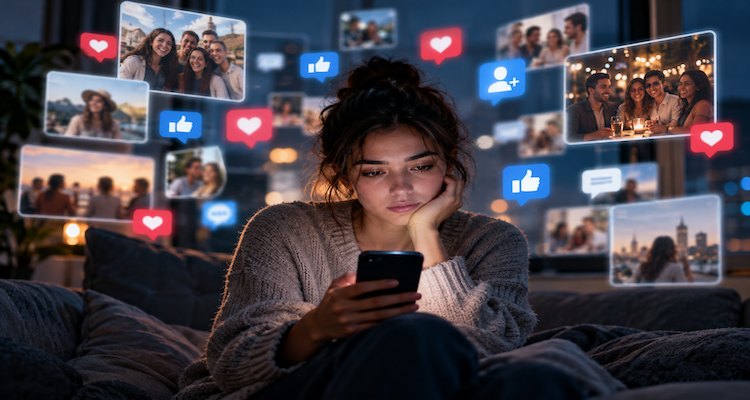
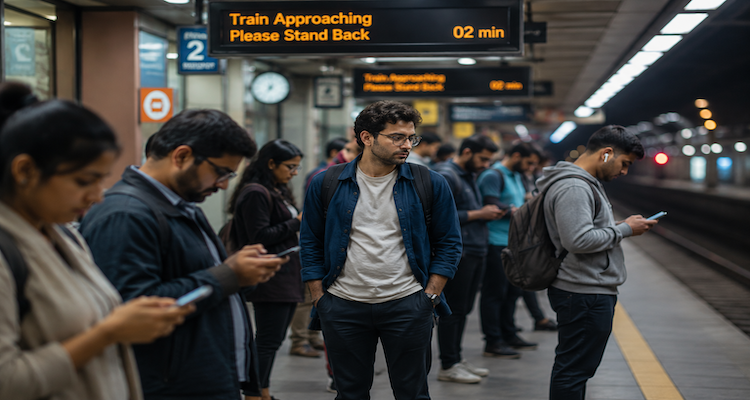
Moments that once felt neutral are increasingly filled with activity. Waiting in line, sitting on public transportation, or standing in an elevator often means checking notifications, scrolling social media, or consuming short-form content.
This constant access to stimulation has reduced the amount of unstructured downtime many people experience.
As a result, waiting can feel more uncomfortable because it creates a temporary interruption in a steady flow of engagement. A delayed webpage, buffering video, or unanswered message introduces a pause that modern habits have trained people to avoid.
The challenge is not necessarily that waits have become longer. In many cases, they have become shorter. The challenge is that people have become less familiar with waiting itself.
The Hidden Cost of Always Being Fast
Businesses often view speed as a competitive advantage, and for good reason. Consumers generally appreciate faster service. Yet the pursuit of speed can create unintended consequences.
When rapid responses become the norm, organizations may feel pressure to maintain increasingly demanding service standards. Employees are expected to answer messages quickly, customers expect immediate support, and teams often operate in a state of continuous responsiveness.
This can contribute to workplace stress and decision fatigue. Not every task benefits from urgency, but environments built around constant availability can make slower, more thoughtful processes seem inefficient.
In some cases, speed becomes confused with effectiveness.
A quick decision is not always a good decision. An immediate response is not always the most informed response. The expectation of constant acceleration can reduce opportunities for reflection, creativity, and careful judgment.
Why Waiting Feels More Emotional Than Before
Waiting is rarely just about time. It is often about uncertainty.
People generally tolerate delays better when they understand what is happening. A traveler may accept a delayed flight if clear information is provided. A customer may wait patiently for a package if tracking updates remain accurate.
The real frustration often emerges when outcomes feel uncertain.
Digital environments can amplify this effect. An unanswered message may trigger questions. Has the recipient seen it? Are they busy? Is there a problem? Social platforms, read receipts, and online status indicators can sometimes increase awareness of delays rather than reduce anxiety about them.
This creates an interesting paradox. Technologies designed to improve communication can sometimes make waiting feel more emotionally charged.
The issue is not simply the delay itself but the uncertainty surrounding it.
A Culture That Rewards Immediate Results
The growing discomfort with waiting also reflects broader cultural changes.
Many areas of life increasingly emphasize speed, responsiveness, and rapid achievement. News cycles move quickly. Trends emerge and disappear within days. Businesses face pressure to innovate continuously. Individuals often feel compelled to respond, react, and produce at an accelerated pace.
In such environments, waiting can feel unproductive.
Yet some of the most important outcomes in life still require time. Building expertise, developing relationships, improving health, growing a business, or mastering a skill rarely happens instantly.
The tension between immediate expectations and long-term realities is becoming one of the defining challenges of modern life.
People are surrounded by systems that promise rapid results while simultaneously pursuing goals that demand patience.
The Unexpected Value of Delayed Outcomes
One overlooked insight is that waiting can sometimes improve the quality of outcomes.
Creative work often benefits from incubation periods. Strategic decisions frequently improve when people have time to gather information and consider alternatives. Learning often requires repetition and gradual progress rather than instant mastery.
Even anticipation itself can enhance experiences. Looking forward to a vacation, a major event, or a personal milestone often becomes part of the enjoyment.
When every experience becomes immediate, some of that anticipation disappears.
This does not mean delays are inherently good. Rather, it suggests that not all waiting is wasted time. Certain forms of waiting create space for preparation, reflection, and appreciation.
The distinction between productive waiting and unnecessary waiting may become increasingly important as societies continue to optimize for speed.
What This Trend Reveals About the Future
The growing difficulty of waiting reveals more than a preference for convenience. It highlights a broader transformation in human behavior.
As technology continues reducing friction, expectations will likely continue rising. Consumers may demand faster services, workplaces may prioritize quicker responses, and digital platforms may compete to eliminate even the smallest delays.
At the same time, there may be a growing recognition that some aspects of life cannot be accelerated without consequences.
The ability to tolerate uncertainty, delay gratification, and engage in long-term thinking may become increasingly valuable skills. In a world optimized for immediacy, patience could evolve from a traditional virtue into a modern advantage.
The future may not belong solely to those who move fastest. It may also belong to those who understand when slowing down creates better outcomes.
Waiting has become one of the most difficult modern experiences not because time has changed, but because expectations have. The challenge facing individuals, businesses, and institutions is learning how to balance the benefits of speed with the value that patience still provides.
This content is published for informational or entertainment purposes. Facts, opinions, or references may evolve over time, and readers are encouraged to verify details from reliable sources.