







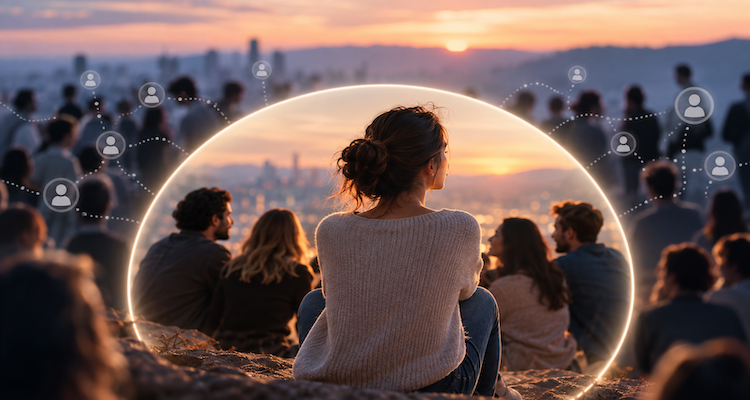

When Technology Starts Missing You Before You Miss It
Technology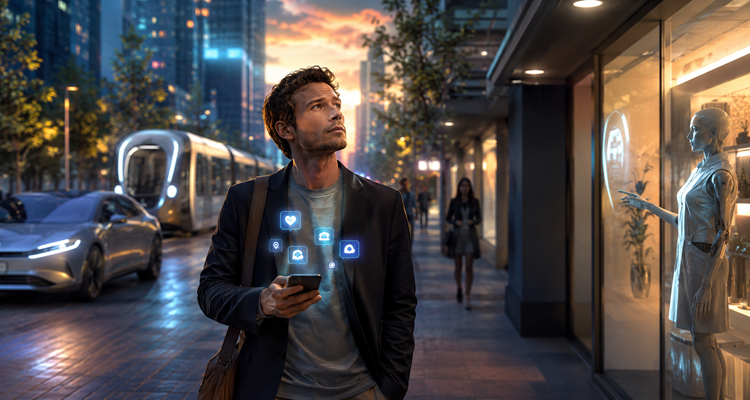
A curious shift is happening in the relationship between people and technology. For decades, we were the ones seeking out our devices, apps, and services whenever we needed something. We opened a browser to search, launched an app to communicate, or turned on a device to get information.
Now, technology is increasingly doing the opposite. It is learning that you might need it before you actively reach for it.
Your phone suggests the route home before you ask for directions. A music app queues songs that match your mood. A shopping platform reminds you to reorder essentials before you realize you’re running low. Digital assistants surface information at the moment it seems relevant.
The result is a subtle but profound change: technology is beginning to anticipate absence. In a sense, it is learning to “miss” you first.
Key Takeaways
- Technology is shifting from reactive tools to systems that anticipate user needs.
- Predictive features are increasingly built into everyday digital experiences.
- Convenience often depends on how much technology learns about individual behavior.
- Anticipatory technology is changing consumer expectations across industries.
- The biggest impact may be psychological rather than technical.
- Future digital products may compete on how well they predict relevance, not just functionality.
From Tools to Anticipation
Most technologies throughout history have been reactive.
A hammer waits to be picked up. A television waits to be turned on. Even early computers required direct instructions before they could perform a task.
Modern digital systems are increasingly different.
Many popular services now rely on patterns, signals, and behavioral observations to anticipate what users might want next. This isn’t necessarily artificial intelligence in the dramatic sense often portrayed in headlines. Much of it comes from recommendation systems, predictive algorithms, location awareness, usage history, and contextual data.
Consider how often digital products now initiate interactions.
Streaming platforms recommend content before you search. Navigation apps estimate your destination based on routine behavior. Email services suggest responses. Calendar apps remind you when to leave for a meeting.
The experience feels less like using a tool and more like interacting with something that is paying attention.
Why People Are Paying Attention Now
The idea of predictive technology isn’t new. Recommendation engines have existed for years.
What has changed is the scale.
People now interact with dozens of connected systems every day. Smartphones, smartwatches, voice assistants, connected vehicles, cloud platforms, productivity software, and streaming services all collect signals about preferences and habits.
Individually, these systems seem helpful.
Collectively, they create an environment where technology increasingly understands routines, schedules, interests, and behaviors.
The shift becomes noticeable when a recommendation feels surprisingly accurate.
Not because the system knows something magical, but because it has become very good at recognizing patterns.
That moment often creates two reactions at once: appreciation and discomfort.
Appreciation because the experience is convenient.
Discomfort because the prediction feels personal.
The Rise of the Predictive Experience
Many of the world’s most widely used digital platforms are built around anticipation.
Companies such as Google, Apple, Microsoft, Netflix, and Spotify have spent years improving systems that reduce user effort.
The goal is simple.
If technology can remove even a few seconds of friction from a daily activity, people often perceive the entire experience as better.
This is why recommendation feeds, predictive text, personalized home screens, smart notifications, and contextual suggestions have become standard features rather than premium extras.
The digital products gaining the most attention today are often not the ones that do the most.
They are the ones that know when to act.
Convenience Is Becoming Invisible
One reason predictive technology spreads so quickly is that successful anticipation often becomes invisible.
People stop noticing it.
When a map automatically suggests the route you intended to take, it feels normal. When a streaming service surfaces content you enjoy, it feels expected.
Over time, expectations change.
Users begin to judge products not only by what they can do but by how little effort they require.
That expectation is influencing everything from online shopping to workplace software.
What This Means for Everyday Life
For consumers, the benefits are obvious.
Tasks become faster.
Decisions require less effort.
Relevant information appears at useful moments.
Yet there is another consequence that receives less attention.
The more technology predicts our needs, the fewer opportunities we have to consciously decide what we want.
That doesn’t mean predictive systems are harmful. It simply means they influence behavior in subtle ways.
A recommended video shapes what gets watched next.
A suggested article influences what gets read.
A highlighted product affects purchasing decisions.
Small nudges, repeated thousands of times, can gradually influence habits.
Many people are beginning to recognize that convenience is never completely neutral. It guides attention.
And attention is one of the most valuable resources in the digital economy.
A Less Obvious Perspective
The most interesting change may not be technological at all.
It may be emotional.
For much of history, relationships were formed between people and other people. Today, many daily interactions involve digital systems.
People check notifications upon waking. They receive reminders, suggestions, recommendations, and prompts throughout the day. Some interact with conversational AI tools for work, learning, creativity, and problem-solving.
As technology becomes more responsive, users can begin to experience something resembling familiarity.
Not friendship.
Not consciousness.
Familiarity.
The system appears to know their preferences, routines, interests, and habits.
This creates an unusual psychological effect.
The technology feels increasingly present even when it is invisible.
A person may not actively think about a streaming platform until a recommendation appears. They may not consider a digital assistant until it surfaces relevant information.
In other words, the technology maintains the relationship.
Historically, humans initiated contact with tools.
Now, digital systems often initiate contact with humans.
That shift may become one of the defining behavioral changes of the coming decade.
The Business Impact of Anticipation
Businesses have noticed that anticipation creates loyalty.
Customers often remain with products that consistently reduce effort.
This is why personalization has become a major strategic priority across industries.
Retailers seek to predict purchases.
Media companies seek to predict interests.
Productivity platforms seek to predict tasks.
Financial services increasingly seek to predict customer needs and preferences.
The companies that succeed are often those that understand context rather than simply collecting data.
Knowing what a person wants matters.
Knowing when they want it matters even more.
As competition grows, predictive relevance may become a stronger differentiator than feature lists.
Looking Ahead
Future technology is likely to become even more proactive.
Wearable devices may surface health insights before symptoms are noticed.
Productivity tools may organize work before bottlenecks emerge.
Digital assistants may coordinate information across multiple platforms without requiring constant instructions.
The challenge will be balancing usefulness with user control.
People generally appreciate assistance.
They are less comfortable with systems that feel intrusive or manipulative.
Trust will become increasingly important.
The most successful technologies may not be the ones that know the most about users.
They may be the ones who know when to step back.
Why This Matters Right Now
The conversation around technology often focuses on artificial intelligence, automation, and innovation.
Yet one of the most significant shifts is happening quietly.
Technology is becoming less reactive and more anticipatory.
That changes how products are designed, how businesses compete, and how people interact with digital systems every day.
The next stage of technology may not be defined by faster devices or more powerful software.
It may be defined by something far subtler.
The moment technology recognizes your absence before you recognize its presence.
The views and opinions expressed in this article are those of the author and are intended for informational and educational purposes only. While every effort is made to ensure accuracy, Wiobs does not guarantee the completeness, reliability, or timeliness of the information presented. Readers are encouraged to verify facts independently and use their own judgment before making decisions based on this content.
Stay Connected with Wiobs
Explore more insights on technology, artificial intelligence, science, business, and innovation. Follow Wiobs and never miss an update.