







Human Voices in Nature: The Surprising Ways We Influence Wildlife
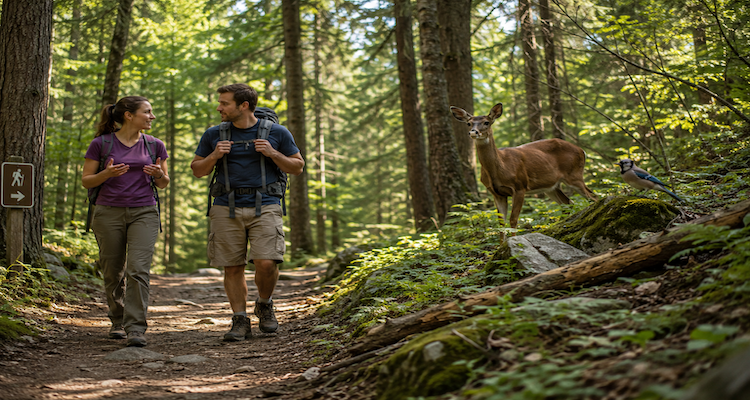
A hiker pauses to answer a phone call on a forest trail. A group of tourists laughs while watching dolphins from a boat. A drone operator narrates footage over a remote wetland. These moments may seem harmless, even ordinary. Yet for many animals, the sound of a human voice can be anything but background noise.
Scientists have long known that habitat destruction, pollution, and climate change alter wildlife behavior. Increasingly, researchers are uncovering another, less obvious force shaping animal lives: human sound. Not engines, chainsaws, or construction machinery alone, but the simple act of people talking. As outdoor recreation expands and natural spaces become more accessible, the human voice is emerging as an unexpected ecological influence.
The implications reach far beyond wilderness enthusiasts. From tourism and conservation to urban planning and digital content creation, understanding how wildlife responds to our voices may reshape how humans interact with the natural world.
Why Human Voices Stand Out in Nature
Natural ecosystems are filled with sound. Birds sing to defend territories, frogs call for mates, wolves howl to coordinate hunts, and insects produce complex acoustic signals. Animals have evolved to interpret these sounds with remarkable precision.
Human speech, however, represents something unusual.
Unlike many natural sounds, human voices often carry unpredictable rhythms, changing tones, and frequencies that animals may interpret as potential threats. For species that have historically experienced hunting or disturbance from people, human conversation can trigger strong behavioral responses even when no immediate danger exists.
Research across various ecosystems has shown that wildlife frequently reacts differently to human voices than to other environmental sounds. In some cases, animals flee more rapidly from recorded human speech than from sounds associated with predators. This suggests that, for certain species, humans have become a uniquely significant source of risk.
The phenomenon is especially important because human presence is expanding into previously isolated habitats through recreation, tourism, and infrastructure development.
Wildlife Is Changing Its Behavior in Unexpected Ways
The most obvious response to human voices is avoidance. Deer may retreat deeper into forests. Shorebirds may abandon feeding grounds. Marine mammals can alter movement patterns when exposed to persistent human activity.
Yet avoidance is only part of the story.
Researchers increasingly observe subtler behavioral shifts. Some animals reduce foraging time when humans are nearby, potentially affecting energy intake and reproductive success. Others modify communication patterns, changing the timing, frequency, or intensity of their calls.
Birds living near heavily visited parks, for example, may adjust singing schedules to avoid periods of intense human activity. Certain mammals become more nocturnal, shifting their routines toward nighttime when people are absent.
These changes can ripple through entire ecosystems. When animals alter feeding or movement patterns, predator-prey relationships, seed dispersal, and pollination dynamics may also change.
In other words, human voices can influence ecological processes in ways that are not immediately visible.
The Rise of Nature Tourism Is Amplifying the Effect
Outdoor recreation is experiencing sustained growth worldwide. National parks, wildlife reserves, marine sanctuaries, and ecotourism destinations continue attracting millions of visitors annually.
This trend brings undeniable benefits. Nature tourism often generates essential conservation funding, supports local economies, and fosters public appreciation for biodiversity.
However, greater access also means increased acoustic disturbance.
Wildlife viewing excursions, guided hikes, safari tours, whale-watching trips, and social media-driven travel frequently involve groups conversing continuously while observing animals. Even responsible visitors may unintentionally create a persistent human soundscape.
Conservation managers increasingly recognize that visitor numbers alone do not fully capture human impact. Noise levels, including speech, may be equally important indicators.
Some protected areas have already introduced quiet zones, restricted access during sensitive breeding seasons, or educational campaigns encouraging visitors to minimize noise. Such measures reflect a growing understanding that conservation is not only about where humans go, but also how humans behave once they arrive.
Animals Are Adapting But Adaptation Comes at a Cost
Not all wildlife responds identically.
Species living near cities or frequently visited landscapes sometimes become habituated to human voices. Urban birds, squirrels, foxes, and some marine species may show reduced fear responses over time.
At first glance, adaptation appears encouraging. Yet habituation presents complex challenges.
Animals that become accustomed to humans may lose critical survival behaviors. Reduced wariness can increase vulnerability to vehicles, domestic animals, illegal hunting, or harmful human interactions.
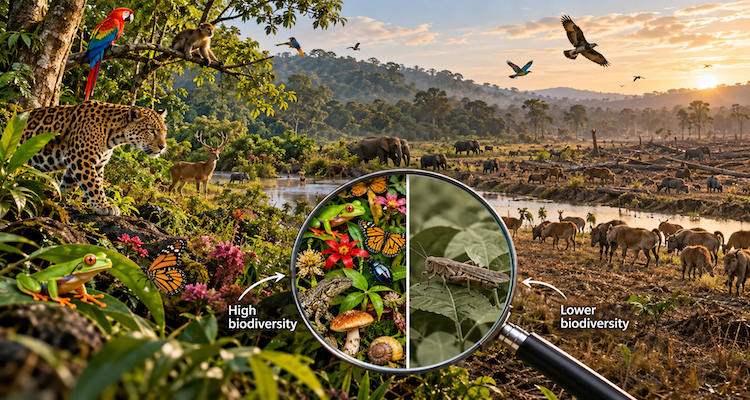
Meanwhile, species unable to adapt may disappear from disturbed areas altogether, gradually reducing biodiversity. This process can favor generalist species while disadvantaging specialists that require quieter habitats.
The result may be ecosystems increasingly dominated by wildlife capable of tolerating constant human presence, fundamentally altering community composition.
Social Media Is Quietly Changing Wildlife Experiences
One of the most underappreciated trends involves the intersection of wildlife encounters and digital culture.
Outdoor experiences are now frequently documented in real time through livestreams, vlogs, and short-form videos. Content creators often narrate experiences continuously, speak directly to cameras, or encourage audience interaction while in sensitive habitats.
This creates an important tension.
Digital storytelling can inspire conservation awareness and broaden public engagement with nature. At the same time, the pursuit of immersive content may inadvertently increase disturbance if creators prioritize recording opportunities over minimizing ecological impact.
The broader insight is striking: as human communication increasingly moves into natural environments through smartphones, wearable devices, and digital platforms, our acoustic footprint is expanding alongside our physical footprint.
Conservation discussions have traditionally focused on land use and carbon emissions. Future conversations may increasingly include “sound stewardship”—the idea that managing how humans sound in nature is as important as managing where humans travel.
What This Means for Everyday Nature Enthusiasts
Most people do not need to remain completely silent outdoors. Nature should remain accessible, enjoyable, and socially meaningful.
Small behavioral changes, however, can significantly reduce disturbance.
Speaking softly near wildlife, avoiding loud conversations in breeding areas, limiting playback of recorded sounds, respecting seasonal closures, and observing animals from appropriate distances all help minimize impacts.
Photographers, hikers, birdwatchers, and content creators can play a particularly important role. By modeling respectful behavior, they help establish cultural norms that balance human enjoyment with ecological responsibility.
The growing body of evidence surrounding human voices and wildlife highlights a larger truth: humans influence ecosystems not only through the landscapes we change, but also through the sounds we bring with us.
The next time a forest falls quiet as people approach, it may not simply be coincidence. It may be wildlife responding to one of nature’s newest and most powerful signals, the human voice.
This content is published for informational or entertainment purposes. Facts, opinions, or references may evolve over time, and readers are encouraged to verify details from reliable sources.