






When Seasons Lose Their Rhythm: How Climate Change Is Reshaping Wildlife Behavior
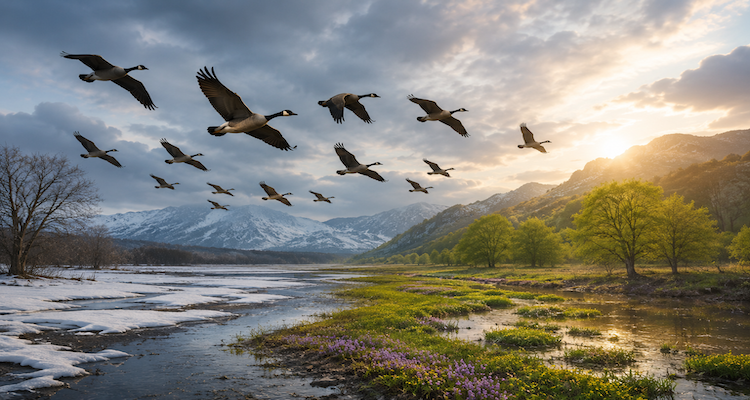
Spring no longer arrives on cue in many parts of the world. Migratory birds are appearing weeks earlier than expected, hibernating mammals are waking before food is available, and some species are abandoning centuries-old seasonal routines altogether. Across ecosystems, the natural calendar that wildlife has relied upon for millennia is beginning to lose its rhythm.
For many people, seasonal change is marked by blooming flowers, migrating geese, or the first chorus of frogs after winter. Yet scientists increasingly warn that these familiar signals are shifting in ways that are both subtle and profound. Climate change is not simply making habitats warmer; it is altering the timing of life itself. And the consequences extend far beyond wildlife, affecting agriculture, ecosystems, economies, and even human culture.
Nature’s Calendar Is Changing
Wildlife has evolved around highly predictable seasonal cues. Temperature, daylight, rainfall, and snow cover have historically told animals when to breed, migrate, hibernate, or search for food. This finely tuned biological scheduling, known as phenology, has enabled species to synchronize critical life events with favorable environmental conditions.
Today, those environmental signals are becoming increasingly unreliable.
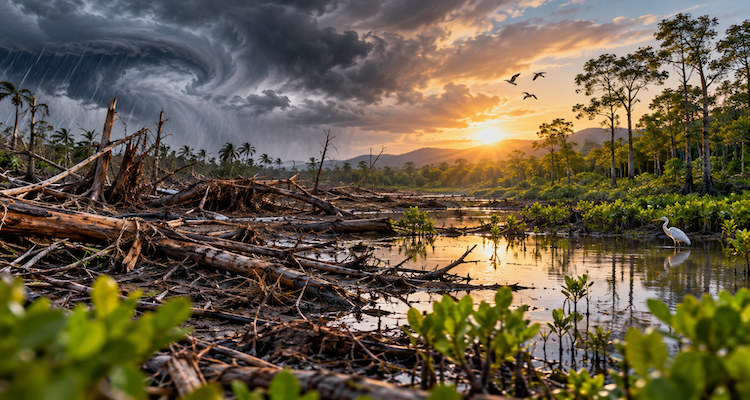
Warmer winters, earlier springs, prolonged droughts, and irregular precipitation patterns are disrupting long-established seasonal patterns. In many regions, spring now arrives earlier than it did several decades ago, while autumn conditions often persist longer into the year.
The result is a growing mismatch between wildlife behavior and the ecosystems upon which species depend.
Migratory birds, for example, often begin their journeys based on day length rather than temperature. While daylight remains constant, climate-driven warming can cause insects and plants at breeding grounds to emerge much earlier. Birds arriving according to traditional schedules may find that peak food availability has already passed.
For species raising young, timing can mean the difference between reproductive success and failure.
Unexpected Winners and Losers
Climate change does not affect all wildlife equally.
Some species are demonstrating remarkable adaptability. Certain birds, insects, and mammals are altering migration routes, shifting breeding dates, or expanding into newly suitable habitats. Urban-adapted species, in particular, often exhibit considerable behavioral flexibility.
However, specialists, species that depend on specific habitats, food sources, or climatic conditions, face greater risks.
The Arctic offers one of the clearest examples. Earlier snowmelt is changing breeding schedules for many Arctic birds and mammals. Species adapted to precise seasonal windows are increasingly struggling to synchronize reproduction with food availability.
Marine ecosystems are experiencing similar disruptions. Ocean warming has altered the seasonal movements of fish, whales, and plankton. Because marine food webs depend heavily on timing, even modest shifts can ripple across entire ecosystems.
Pollinators represent another vulnerable group. Many flowering plants and insect pollinators have historically evolved together, each relying on the other’s seasonal timing. If plants bloom before pollinators emerge, or pollinators appear after flowering peaks, both species may suffer.
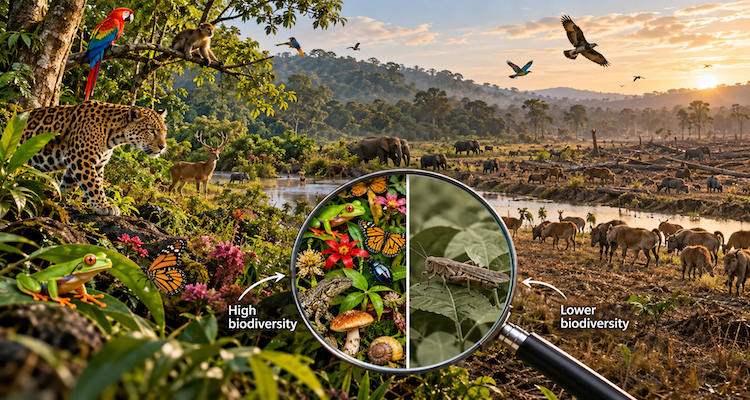
These mismatches may seem minor individually, but across ecosystems they can reshape biodiversity itself.
Migration Is Becoming Less Predictable
Migration has long been one of nature’s most spectacular seasonal phenomena. Yet climate change is making migration increasingly unpredictable.
Some bird species now migrate shorter distances or forego migration altogether. Milder winters in parts of Europe and North America have allowed certain populations to remain year-round in areas that were once seasonally inhospitable.
Others are altering migration routes as suitable habitats shift geographically.
Scientists have also documented changes among marine migrants. Whales, seabirds, and fish are increasingly appearing outside their historical ranges as ocean temperatures change. Such shifts may create new ecological interactions, including competition between species that previously rarely encountered one another.
For conservationists, these changes present a major challenge. Protected areas established based on historical migration patterns may no longer align with where wildlife actually travels.
Conservation planning is increasingly moving from preserving fixed locations to protecting ecological connectivity, ensuring species can move safely as environmental conditions change.
Hibernation and Seasonal Dormancy Are Under Pressure
Hibernation is another seasonal behavior undergoing significant disruption.
Traditionally, many mammals enter hibernation to conserve energy during periods of food scarcity. Warmer winters, however, can cause animals to wake more frequently or emerge earlier than normal.
This creates a dangerous energy imbalance.
If animals awaken before food sources become available, they may exhaust critical fat reserves. Repeated winter arousals can increase stress and reduce survival rates.
Some amphibians and reptiles are experiencing similar challenges. Earlier emergence can expose them to sudden cold snaps if temperatures fluctuate unpredictably, a pattern expected to become more common as climate variability intensifies.
Climate change, therefore, is not simply warming ecosystems. It is increasing seasonal instability.
The Hidden Impact: Ecological Relationships Are Unraveling
Perhaps the most underreported consequence of changing seasonal patterns is the disruption of ecological relationships.
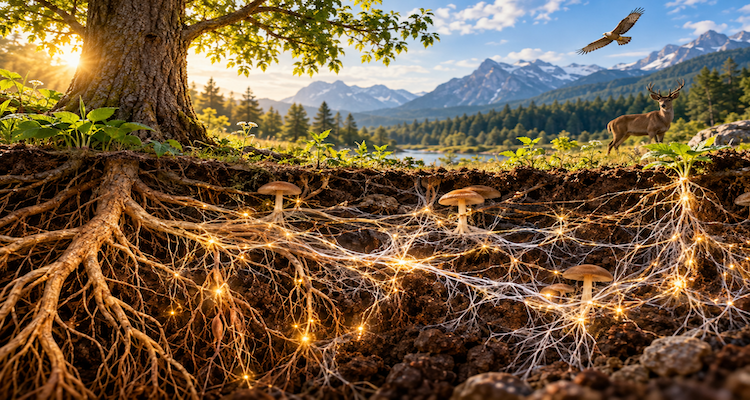
Nature functions as a network of interconnected timing systems. Predators depend on prey availability. Pollinators rely on flowering plants. Young animals require food at specific developmental stages.
When one species shifts its seasonal behavior while another does not, entire ecological relationships can weaken.
This phenomenon reveals an important insight: climate change is increasingly becoming a problem of synchronization rather than survival alone.
A species may persist within a habitat, yet still decline because its ecological partners are no longer operating on the same schedule.
This loss of synchrony may ultimately prove as significant as habitat destruction itself.
The implications extend to humans as well. Agricultural systems depend heavily on pollinators and predictable seasonal cycles. Fisheries rely on stable marine food webs. Tourism industries built around seasonal wildlife events, from bird migrations to whale watching, may also experience disruption.
The changing rhythms of wildlife are therefore not distant environmental curiosities. They are indicators of broader ecological transformation.
Why Public Interest Is Growing
Interest in seasonal wildlife changes is rising because people are increasingly observing these shifts firsthand.
Gardeners notice flowers blooming earlier. Birdwatchers report unusual migration timings. Communities observe insects appearing outside their typical seasons.
Citizen science initiatives have become particularly valuable in documenting these changes. Public observations collected over years are helping researchers identify long-term trends that might otherwise go unnoticed.
At the same time, advances in satellite monitoring, GPS tracking, and environmental sensors are providing unprecedented insight into how species respond to shifting climates.
Together, scientific research and public observation are painting a consistent picture: seasonal patterns once considered stable are becoming increasingly dynamic.
What Could Happen Next?
Wildlife has always adapted to environmental change. Evolution itself is evidence of nature’s resilience.
Yet the current pace of climatic change presents an extraordinary challenge. Some species will adjust through behavioral flexibility, range shifts, or evolutionary adaptation. Others may struggle to keep pace.
Future conservation efforts are likely to emphasize adaptive management, protecting migration corridors, restoring habitat connectivity, and designing conservation strategies flexible enough to accommodate moving ecological boundaries.
One thing is already clear: understanding wildlife in the twenty-first century will require thinking less about fixed seasons and more about shifting ecological rhythms.
As climate change continues to rewrite nature’s calendar, the question is no longer whether wildlife patterns are changing, but how societies will respond to a world where the seasons themselves are becoming less predictable.
This content is published for informational or entertainment purposes. Facts, opinions, or references may evolve over time, and readers are encouraged to verify details from reliable sources.