










How Seasonal Eating Is Finding a Place in Urban Lifestyles Again
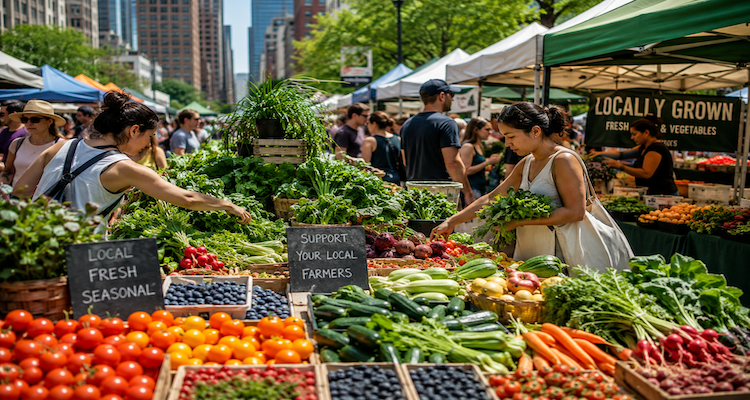
The produce aisle in many cities is beginning to tell a different story. Alongside imported fruits and year-round vegetables, shoppers are increasingly pausing to ask a simple question: What’s actually in season? That curiosity reflects a broader shift in how urban consumers think about food, not just as nourishment, but as a way to reconnect with nature, local communities, and more sustainable habits.
For decades, globalization made seasonal boundaries almost invisible. Supermarkets stocked strawberries in winter, pumpkins in spring, and grapes throughout the year. Convenience became the defining feature of modern food systems. Yet a growing number of city dwellers are now rediscovering the value of eating with the seasons, choosing freshness and locality over constant availability. What once seemed like an old-fashioned practice is quietly becoming a modern lifestyle choice.
A Shift Beyond Health Trends
Seasonal eating is often associated with healthier diets, but its renewed popularity goes beyond nutrition. Urban consumers are increasingly interested in understanding where their food comes from, how it is grown, and what impact their choices have on the environment.
This shift has been encouraged by farmers’ markets, community-supported agriculture programs, independent grocery stores, and even restaurant menus that change with the harvest. Seasonal ingredients have become symbols of freshness and authenticity rather than signs of limited choice.
For many people, eating seasonally also brings variety back to the table. Instead of repeating the same meals throughout the year, seasonal produce naturally encourages changing recipes, experimenting with different ingredients, and appreciating food at its peak.
Why Urban Consumers Are Looking Back
Life in cities often creates distance from agricultural cycles. Many consumers have little direct connection to farms or harvest seasons. As awareness grows around food production, climate concerns, and sustainability, that disconnect has become more noticeable.
Seasonal eating offers a simple way to rebuild that relationship.
Rather than viewing food as an endlessly available commodity, consumers begin to recognize natural growing cycles. This change in perspective can influence purchasing habits, cooking routines, and even household food waste.
The renewed interest also reflects a desire for slower, more intentional lifestyles. Just as people have embraced practices like mindful shopping, home gardening, and reducing unnecessary consumption, seasonal eating fits naturally into a broader movement toward conscious living.
Freshness Often Changes the Experience
One reason seasonal produce continues to appeal is taste.
Fruits and vegetables harvested during their natural growing season are often picked closer to peak ripeness. They may spend less time in long-distance transportation or extended storage before reaching consumers.
This doesn’t mean imported produce is inherently inferior, but many people notice that locally harvested seasonal foods can offer richer flavor, better texture, and a more enjoyable cooking experience.
Restaurants have long recognized this advantage. Seasonal menus allow chefs to work with ingredients at their best while introducing diners to changing flavors throughout the year. Increasingly, home cooks are adopting the same mindset.
Sustainability Is Becoming Part of Food Decisions
Environmental awareness has become a significant influence on consumer behavior.
Many shoppers now consider packaging, transportation, food miles, and agricultural practices alongside price and convenience. Seasonal eating aligns with these concerns because locally available produce may require fewer resources for storage and long-distance transport compared with foods shipped across continents out of season.
The relationship is not always straightforward. Some imported produce can still have relatively efficient production systems, while local farming methods vary widely. However, seasonal eating encourages consumers to think more carefully about the environmental journey of their food instead of viewing every product as interchangeable.
That awareness alone represents a meaningful change in purchasing behavior.
The Hidden Cultural Value of Seasonal Food
One of the most overlooked aspects of seasonal eating is its cultural significance.
Many traditional recipes around the world evolved around seasonal harvests. Festivals, family meals, and regional cuisines often reflect ingredients that naturally became available at certain times of the year.
Modern food systems blurred many of these seasonal traditions. Today, rediscovering seasonal ingredients is also helping people reconnect with culinary heritage.
Whether it’s enjoying fresh mangoes during summer, leafy greens during cooler months, or autumn harvest vegetables, seasonal foods often carry memories, traditions, and regional identity that extend beyond nutrition.
For younger generations living in large cities, this can become an unexpected way of preserving cultural connections while embracing contemporary lifestyles.
Technology Is Helping the Movement Grow
Ironically, digital technology has helped revive one of humanity’s oldest eating habits.
Recipe platforms increasingly organize content around seasonal ingredients. Grocery delivery services often highlight locally available produce. Social media creators share seasonal cooking inspiration that reaches millions of viewers, making fresh ingredients more appealing and accessible.
Food-tracking apps, nutrition platforms, and sustainability-focused communities have also encouraged consumers to pay closer attention to what they buy throughout the year.
Rather than replacing traditional food knowledge, technology is making it easier for urban audiences to rediscover it.
An Emerging Consumer Mindset
Perhaps the most interesting aspect of seasonal eating isn’t the food itself, it’s the mindset behind it.
Urban consumers are increasingly moving away from the assumption that every desire should be satisfied immediately. Instead, waiting for certain foods to return each season creates anticipation and appreciation.
Scarcity, in this context, becomes part of the experience rather than an inconvenience.
This represents a subtle but important shift in consumer psychology. Instead of expecting unlimited choice every day of the year, people begin to value timing, quality, and context. Seasonal eating becomes less about restriction and more about enjoying ingredients when they naturally offer their best.
That way of thinking also mirrors broader changes in consumer behavior, where quality, authenticity, and sustainability increasingly compete with convenience as purchasing priorities.
Businesses Are Paying Attention
Food businesses are adapting to these changing preferences in different ways.
Restaurants are promoting seasonal tasting menus. Grocery retailers are expanding partnerships with regional producers. Food brands increasingly highlight harvest periods, sourcing practices, and local ingredients in their marketing.
These changes are not solely driven by environmental messaging. Seasonal offerings also create opportunities for product differentiation and customer engagement, encouraging repeat visits as menus and selections evolve throughout the year.
For businesses, seasonal eating represents both a sustainability conversation and a market opportunity built around authenticity.
What the Future Could Look Like
Seasonal eating is unlikely to replace global food supply chains, nor will consumers abandon year-round availability entirely. Modern agriculture and international trade remain essential parts of feeding growing urban populations.
However, the renewed appreciation for seasonal foods suggests that many consumers are seeking balance rather than extremes.
Future food choices may increasingly combine global accessibility with local awareness. Consumers could continue enjoying imported products while placing greater value on seasonal produce whenever practical.
Ultimately, the rediscovery of seasonal eating reflects something larger than changing grocery lists. It signals a growing desire to reconnect daily habits with natural rhythms, local communities, and more thoughtful consumption. In fast-moving urban environments, that simple shift may prove to be one of the most meaningful food trends of the coming years.
This content is published for informational or entertainment purposes. Facts, opinions, or references may evolve over time, and readers are encouraged to verify details from reliable sources.