







Why Time Has Become Travel’s New Status Symbol
For decades, travel status was easy to recognize. It appeared in first-class airline cabins, luxury resorts, private island escapes, and social media feeds filled with infinity pools and champagne sunsets. The message was simple: expensive travel signaled success.
That equation is quietly changing.
A growing number of travelers are placing less value on visible luxury and more value on something increasingly difficult to obtain: time. Not just vacation days, but uninterrupted, unstructured, and deeply personal time. In a culture defined by constant connectivity, crowded schedules, and digital distractions, the ability to slow down has become a powerful marker of privilege.
The shift is subtle, yet it is reshaping how people travel, where they go, and what they seek once they arrive.
The Rise of Time-Rich Travel
Luxury has traditionally been measured through access to premium products and exclusive experiences. Travel followed the same pattern. The bigger the suite, the rarer the destination, or the more expensive the itinerary, the greater the perceived status.
Today, many travelers are asking a different question: How much time can I actually spend experiencing a place?
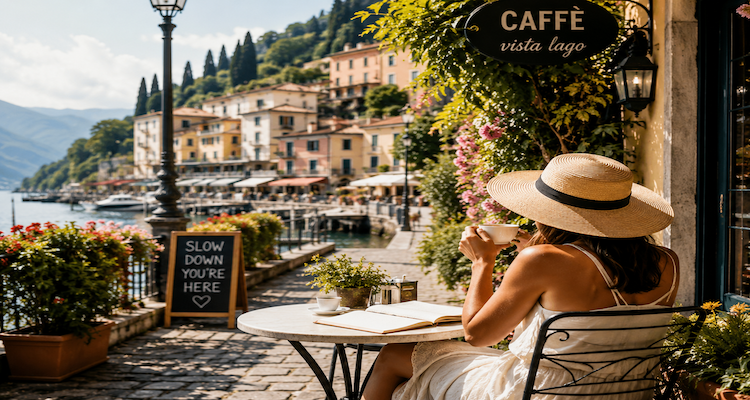
Instead of squeezing five cities into seven days, some are choosing longer stays in a single destination. Rather than building itineraries around famous landmarks, they are prioritizing slower experiences, walking through neighborhoods, spending afternoons in local cafés, or simply having no fixed plans.
The appeal is not necessarily about spending less. In many cases, extended travel requires significant financial flexibility. The difference is that the value is no longer centered on visible consumption. It is centered on freedom from urgency.
This may explain why longer trips, remote-work travel arrangements, and seasonal stays continue attracting attention across different age groups. What travelers increasingly want is not more activity but more time within an experience.
Why Time Feels More Valuable Than Luxury
The growing importance of time reflects broader changes beyond tourism.
Work, communication, entertainment, and social interactions now compete for attention around the clock. Smartphones have removed many traditional boundaries between professional and personal life. As a result, free time often feels fragmented even when people are technically off work.
Travel has become one of the few opportunities to reclaim a sense of control over attention.
This helps explain why travelers increasingly describe memorable trips not by what they purchased but by how they felt. The most meaningful experiences are often associated with immersion, spontaneity, and presence rather than luxury amenities.
A beachfront villa may still be attractive, but for many travelers, the greater luxury is spending a week without checking emails every few minutes.
That distinction reveals an important cultural shift. Wealth has always influenced travel, but increasingly, the ability to disconnect may matter just as much as the ability to spend.
The Hidden Travel Trend Behind Longer Stays
One of the most interesting developments in tourism is the growing popularity of destinations that support extended visits rather than quick sightseeing.
Cities and regions once overlooked by international tourism are finding opportunities because they offer something many famous destinations struggle to provide: a slower pace.
Travelers who stay for several weeks often seek local routines rather than bucket-list attractions. They want farmers’ markets, neighborhood restaurants, public parks, cultural events, and opportunities to interact with residents.
This trend has also encouraged destinations to think differently about tourism development. Instead of focusing exclusively on visitor volume, some communities are exploring ways to attract travelers who stay longer and engage more deeply with local economies.
For businesses, this creates opportunities that differ from traditional tourism models. Accommodation providers, coworking spaces, local service companies, and community-focused experiences can all benefit from travelers who view destinations as temporary homes rather than short-term stops.
Social Media Is Reinforcing the Shift And Challenging It
At first glance, social media appears closely tied to luxury travel culture. Spectacular visuals remain a major part of travel content online.
Yet social platforms have also helped popularize a different aspiration.
Travel creators increasingly share experiences centered on slow mornings, train journeys, remote villages, local food traditions, and extended stays. The appeal often comes from authenticity and lifestyle rather than extravagance.
At the same time, social media introduces a contradiction. Many travelers seek slower experiences partly to escape digital overload, yet online platforms often influence destination choices and travel expectations.
This tension may define the next phase of travel culture. Travelers want meaningful experiences, but they also want experiences worth sharing. Balancing those motivations is becoming part of modern travel itself.
What This Means for the Travel Industry
The growing value of time is encouraging travel companies to rethink what luxury means.
Historically, luxury travel emphasized exclusivity, convenience, and premium services. Those elements remain important, but travelers increasingly evaluate experiences through a different lens: how much space they create for personal freedom.
Hotels are responding with wellness-focused programs, longer-stay packages, and flexible experiences. Airlines continue exploring premium offerings, but comfort and reduced stress are often emphasized alongside traditional luxury features.
Destinations are also adapting. Places capable of supporting slower travel, through walkability, cultural depth, reliable infrastructure, and community engagement, may become increasingly attractive in a competitive tourism landscape.
The most successful travel experiences may not be those that offer the most activities. They may be those that allow visitors to feel less rushed.
A New Definition of Status
Perhaps the most revealing aspect of this trend is what it says about society beyond tourism.
Status symbols have always reflected scarcity. In previous generations, luxury goods signaled access to resources that most people could not easily obtain.
Today, time itself feels scarce.
Many professionals can purchase convenience, entertainment, and consumer products with relative ease. What remains difficult is creating uninterrupted periods of freedom. A week without meetings, notifications, deadlines, or obligations is increasingly rare.
That reality is transforming how people think about travel.
The most enviable traveler is no longer necessarily the person staying at the most expensive resort. It may be the person who has the freedom to spend a month exploring a destination slowly, following curiosity rather than a schedule.
In that sense, travel is revealing a broader cultural truth. The future of luxury may not be defined by what people own or where they stay. It may be defined by how much time they truly control.
And as travelers continue searching for deeper experiences rather than faster ones, time itself may become the ultimate travel upgrade.
This content is published for informational or entertainment purposes. Facts, opinions, or references may evolve over time, and readers are encouraged to verify details from reliable sources.