







Why Scientists Are Reframing the Link Between Nature and Mental Well-Being
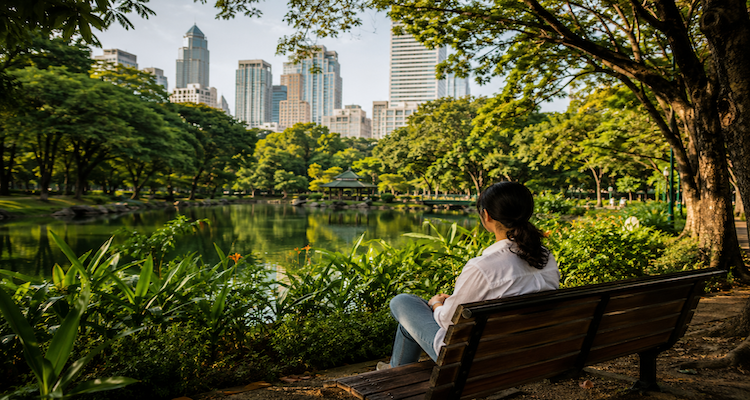
For decades, the connection between nature and mental health seemed relatively straightforward. Spend time in a park, take a walk through a forest, or sit near a body of water, and stress levels tend to decline. The idea became so widely accepted that it shaped everything from urban planning to workplace wellness programs.
Yet a growing number of scientists are now looking beyond the simple assumption that “nature is good for mental health.” Their focus is shifting toward a more complex question: why does nature affect the human mind, and why do those effects vary so dramatically between individuals, communities, and environments?
This emerging perspective is changing how researchers, policymakers, and even employers think about mental well-being. More importantly, it reveals that the relationship between people and nature may be far deeper, and more consequential, than previously understood.
Moving Beyond the “Green Is Good” Assumption
Traditional research often focused on measurable outcomes. People exposed to green spaces frequently reported lower stress, improved mood, and better psychological resilience. These findings encouraged cities to invest in parks, tree-lined streets, and public gardens.
However, scientists increasingly recognize that nature cannot be treated as a single, uniform experience.
A crowded urban park may affect someone differently than a remote forest. A coastal landscape may evoke different emotions than a mountain environment. Even cultural background, personal memories, and daily routines can influence how a person responds to natural surroundings.
Rather than asking whether nature is beneficial, researchers are exploring which aspects of nature matter most, under what conditions, and for whom.
This shift represents a significant evolution in environmental psychology and mental health research.
The Missing Ingredient May Be Connection, Not Exposure
One of the most intriguing developments involves the idea that mental health benefits may depend less on physical exposure to nature and more on a person’s sense of connection with it.
Someone who regularly spends time outdoors but feels emotionally detached from the natural world may experience different outcomes than someone who views nature as a meaningful part of their identity.
This distinction has important implications.
Many wellness initiatives focus on increasing access to green spaces. While access remains important, scientists are increasingly investigating whether fostering a deeper relationship with nature could be equally valuable.
The question is no longer simply how many trees exist in a neighborhood. It is whether people feel engaged with the environment around them.
Why Interest Is Growing Now
Several broader trends are fueling renewed interest in this field.
Mental health concerns have become more visible across societies. At the same time, people are spending increasing portions of their lives indoors, often interacting with digital environments for work, education, and entertainment.
This combination has created a growing awareness that human lifestyles have changed faster than many psychological systems evolved to handle.
Researchers are examining whether modern living has unintentionally reduced opportunities for experiences that historically played a role in emotional regulation, attention restoration, and social connection.
The discussion is also expanding beyond individual well-being. Scientists are beginning to explore how environmental degradation, biodiversity loss, and climate-related changes affect psychological health.
For some people, witnessing the decline of natural ecosystems can trigger feelings of grief, anxiety, or helplessness. As environmental challenges become more visible, the relationship between mental health and nature is becoming increasingly difficult to separate.
The Rise of “Quality Nature”
A notable shift in scientific thinking involves the concept of quality rather than quantity.
For years, urban planning discussions often focused on increasing green coverage. Today, researchers are asking whether all green spaces deliver similar benefits.
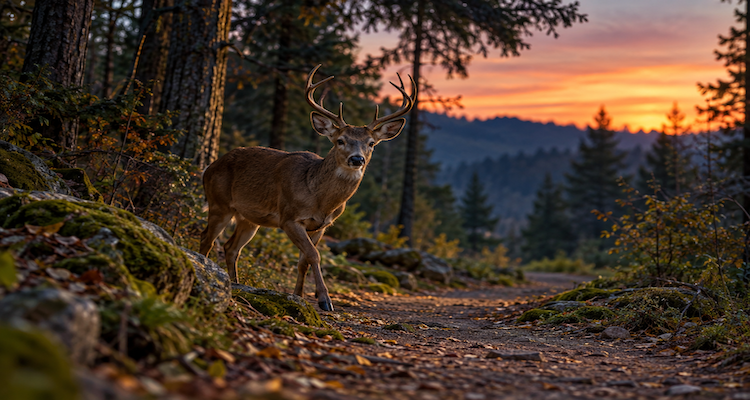
A manicured lawn may offer certain advantages, but a biologically diverse environment could provide different experiences. Natural sounds, varied vegetation, wildlife presence, and seasonal changes may influence how people interact with a landscape.
This does not mean every city should become a wilderness area. Instead, it suggests that the characteristics of an environment may matter as much as its existence.
The emerging conversation aligns with broader concerns about biodiversity and ecological health. Healthy ecosystems may provide psychological value in ways that are only beginning to be understood.
What This Reveals About Modern Life
Perhaps the most important insight is that the discussion about nature is increasingly becoming a discussion about human behavior.
For many people, daily life is structured around screens, schedules, and indoor environments. Even leisure activities are often mediated through technology.
Scientists are beginning to examine whether nature’s benefits stem partly from offering something fundamentally different from these highly controlled settings.
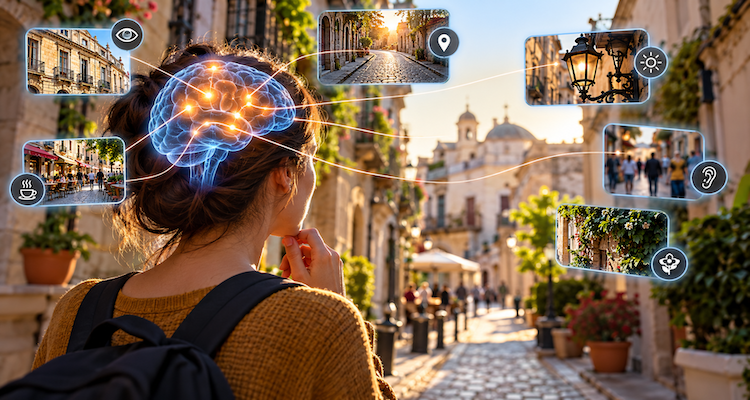
Natural environments are unpredictable. They engage multiple senses simultaneously. They encourage observation rather than constant response.
In a culture increasingly shaped by notifications, algorithms, and digital stimulation, nature may provide a rare form of cognitive relief.
This possibility helps explain why interest in outdoor recreation, nature-based tourism, gardening, and ecological education continues to grow in many regions.
The trend may reflect more than a lifestyle preference. It could represent an attempt to restore experiences that have gradually disappeared from everyday life.
Who Is Most Affected?
The implications extend far beyond outdoor enthusiasts.
Children may be affected by declining opportunities for unstructured interaction with natural environments. Educators are exploring whether outdoor learning experiences can support attention, creativity, and emotional development.
Employers are examining how access to natural settings influences workplace well-being and productivity. Some organizations have incorporated outdoor workspaces, walking meetings, or biophilic design principles into office environments.
Urban residents are also central to this discussion. As cities continue to grow, decisions about public spaces, transportation systems, and residential development may increasingly influence mental health outcomes.
The issue is becoming relevant not only to healthcare professionals but also to architects, planners, business leaders, and policymakers.
What Could Happen Next?
Future research is likely to move beyond broad claims about nature and focus on more personalized understanding.
Scientists may investigate which environments are most beneficial for different populations, how cultural factors shape experiences, and how technology can be used to encourage meaningful interaction with natural spaces rather than replace them.
The growing interest in nature-based mental health interventions may also influence healthcare systems. Some regions have already explored programs that encourage outdoor activities as part of broader wellness strategies.
At the same time, researchers remain cautious. Mental health is influenced by numerous factors, including genetics, social relationships, economic conditions, and physical health. Nature is not a universal solution.
What is becoming increasingly clear, however, is that the environment surrounding people plays a more significant role in psychological well-being than many previously assumed.
A Broader Reassessment of Human Needs
The most compelling aspect of this scientific shift is that it challenges a deeply rooted assumption about modern progress.
For generations, development was often measured by humanity’s ability to control and distance itself from natural forces. Today, researchers are exploring whether that separation may carry unintended psychological costs.
The emerging evidence does not suggest abandoning technology or urban life. Instead, it points toward a more balanced understanding of what people need to thrive.
Nature is no longer being viewed simply as a pleasant backdrop to human activity. Increasingly, scientists see it as an active component of mental well-being, social resilience, and quality of life.
That reframing could influence everything from city design and workplace culture to education and healthcare in the years ahead. More importantly, it encourages a question that feels increasingly relevant in a highly connected world: not whether people need nature, but what happens when they lose meaningful contact with it.
This content is published for informational or entertainment purposes. Facts, opinions, or references may evolve over time, and readers are encouraged to verify details from reliable sources.