








The Phone Numbers That Shouldn’t Exist: Real Cases Behind Mysterious Messages
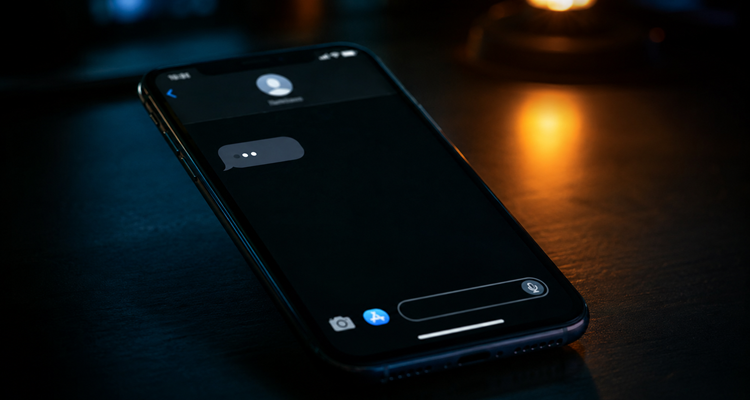
A text message arrives late at night. There’s no name attached to the sender, only a number. At first glance, it looks ordinary. Then the recipient notices something strange: the number has too many digits, too few digits, impossible formatting, or appears to come from a source that should not be capable of sending a message at all.
Stories like these have circulated for decades, but the digital age has given them new life. Online forums, social media communities, and technology discussion groups are filled with accounts from people who claim they received messages from numbers that seemingly could not exist. Some stories have mundane explanations. Others remain unresolved. Together, they reveal something fascinating about the intersection of technology, human perception, and mystery.
What makes these cases particularly compelling is not simply the unexplained message itself. It is the way such encounters expose how much trust people place in systems they rarely think about—phone networks, caller identification systems, messaging protocols, and digital identities.
When a Number Breaks the Rules
Most people assume phone numbers follow strict rules. In reality, telecommunications systems are far more complex than they appear.
Numerous documented reports describe text messages arriving from unusual senders. Some messages appear to originate from numbers made entirely of zeros. Others come from short codes, alphanumeric names, or sequences that do not resemble traditional phone numbers at all.
In many cases, these messages are legitimate. Banks, delivery services, airlines, and businesses frequently use specialized messaging systems that display sender information differently from personal phone numbers.
The mystery deepens when the number shown appears impossible even by industry standards.
Recipients have reported receiving texts from numbers with extra digits, negative-looking identifiers, or incomplete sequences. Sometimes these messages contain random words. Sometimes they contain links. Occasionally they appear entirely blank.
While telecommunications experts often point to routing errors, software glitches, or spoofing technologies, not every recipient receives a satisfying explanation.
The Ghost Messages That Arrived From the Future
Among the most intriguing cases are reports of messages carrying timestamps that seem impossible.
People have occasionally discovered texts dated days, months, or even years into the future. Others have received messages that appear before the sender claims to have written them.
Most experts attribute these incidents to synchronization problems between devices, carrier systems, or software updates. Smartphones rely on multiple clocks and servers to coordinate communication. When those systems fall out of alignment, strange things can happen.
Yet these explanations rarely diminish the emotional impact.
A delayed message is a technical issue. A message that appears to arrive from a future date feels like something else entirely.
The psychological effect matters because humans instinctively search for meaning in anomalies. When technology behaves unexpectedly, people often interpret the experience through cultural narratives, personal beliefs, or emotional circumstances.
Messages From Deactivated and Unassigned Numbers
Another recurring category involves messages from numbers that supposedly no longer exist.
People have reported receiving texts from contacts whose numbers were disconnected years earlier. Others describe messages arriving from deceased relatives’ former phone numbers.
Telecommunications professionals note that phone numbers are routinely recycled. A number disconnected by one user may later be assigned to someone else.
This practical reality explains many cases.
However, not all stories fit neatly into that framework. Some recipients insist the messages arrived during periods when the number was reportedly inactive or unassigned.
Without access to carrier records, these claims are difficult to verify. Nevertheless, their persistence highlights a broader truth: digital identities often outlive the people associated with them.
In a world where phone numbers, social media profiles, and cloud accounts become extensions of personal identity, communication can continue to echo long after its original source disappears.
The Rise of Number Spoofing
One reason mysterious messages have become more common is the growing sophistication of spoofing technology.
Spoofing allows a sender to alter the displayed origin of a call or text. The recipient sees one number, while the actual source may be entirely different.
Businesses sometimes use this capability legitimately for branding or customer service purposes. Criminals, however, frequently exploit it for scams and phishing campaigns.
This creates an unusual situation: seeing a familiar number no longer guarantees authenticity.
A message appearing to come from a trusted contact, local business, or recognizable institution may actually originate from somewhere else entirely.
The existence of spoofing has transformed many modern mysteries. Encounters that once might have been considered inexplicable now often have plausible technical explanations.
Yet spoofing also introduces a new form of uncertainty. If identities can be manipulated so easily, determining what is real becomes increasingly difficult.
Why These Stories Continue to Fascinate People
The enduring appeal of these accounts goes beyond telecommunications.
At their core, they challenge assumptions about reliability and control.
Most people view digital systems as precise and predictable. When a message arrives from an impossible number, that expectation is disrupted. Suddenly, an everyday technology reveals hidden complexity.
This explains why stories about mysterious messages spread so rapidly online.
They occupy a unique space between technology and folklore.
Previous generations shared stories about haunted houses, strange letters, or unexplained radio broadcasts. Today’s equivalent may be the impossible text message appearing on a smartphone screen.
The medium has changed, but the underlying curiosity remains remarkably similar.
A Hidden Insight About Modern Digital Life
Perhaps the most important lesson from these cases has little to do with the supernatural.
Many mysterious-message stories reveal how dependent society has become on invisible technological infrastructure.
People interact with messaging apps and phone networks every day without considering the vast systems operating behind them. Carrier routing networks, cloud servers, authentication tools, identity databases, and software protocols work continuously in the background.
When one small component behaves unexpectedly, the result can appear bizarre or even impossible.
The mystery, therefore, often says as much about human understanding as it does about the technology itself.
The less visible a system becomes, the more surprising its failures appear.
This dynamic is increasingly relevant as artificial intelligence, automated communication systems, and digital identity tools become more deeply integrated into daily life. Future generations may encounter even stranger forms of communication anomalies—not because technology is becoming less reliable, but because it is becoming more complex and less transparent.
Between Explanation and Mystery
Not every strange message has an explanation that can be immediately verified. Some cases can be traced to spoofing, routing errors, software bugs, recycled numbers, or carrier glitches. Others remain unresolved simply because the necessary records no longer exist.
What keeps these stories alive is the gap between what people experience and what they can confidently explain.
A single unexpected text message may not prove anything extraordinary. Yet it can leave a lasting impression because it momentarily exposes the hidden machinery behind everyday communication.
In an era when billions of messages move across global networks every day, most arrive exactly as intended. The rare exceptions remind us that even the technologies we trust most still contain mysteries, some technical, some psychological, and a few that continue to resist easy answers.
This content is published for informational or entertainment purposes. Facts, opinions, or references may evolve over time, and readers are encouraged to verify details from reliable sources.