








Silence as the New Luxury: Why Ancient Spiritual Practices Are Returning in a Noisy Age
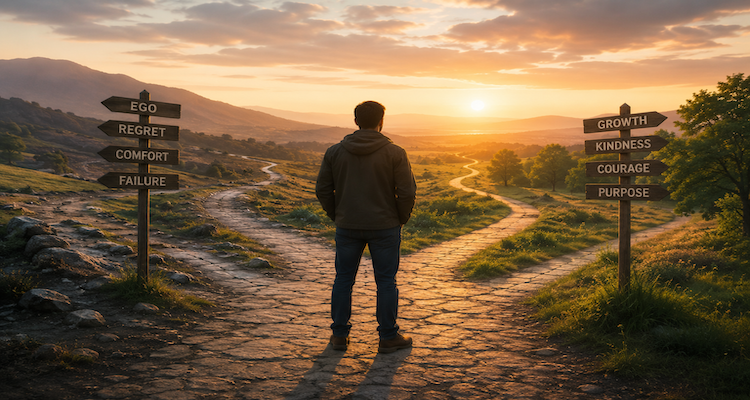
The most sought-after resource in many people’s lives is no longer information, entertainment, or even convenience. It is silence.
Across cities filled with notifications, streaming platforms, video calls, and endless digital conversations, a surprising trend is emerging. More people are deliberately seeking moments of stillness through practices that have existed for centuries: silent retreats, contemplative prayer, meditation, solitude walks, monastic traditions, and periods of intentional quiet.
What once seemed old-fashioned or reserved for monks and mystics is increasingly being embraced by professionals, students, entrepreneurs, and even technology executives. The renewed interest is not simply about spirituality. It reflects a deeper cultural shift in how people understand attention, well-being, and the value of inner space.
The Growing Scarcity of Silence
Luxury has always been defined by scarcity.
In previous generations, luxury often meant access to material goods, travel, or exclusive experiences. Today, many people have unlimited access to information and entertainment. Smartphones deliver news, messages, videos, and opinions around the clock. The result is a constant stream of mental stimulation.
Silence, by contrast, has become increasingly rare.
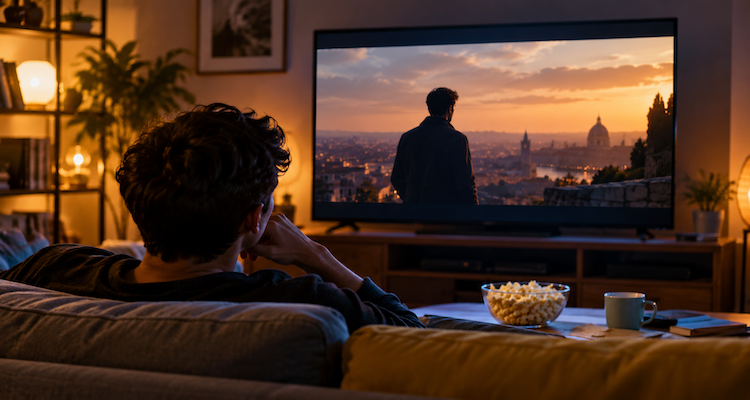
A commute can be filled with podcasts. Exercise often includes music. Waiting in line usually involves scrolling through social media. Even moments once associated with reflection are now occupied by digital interaction.
This helps explain why silence is beginning to feel valuable. What was once ordinary has become difficult to find.
Ancient spiritual traditions recognized this long before the digital age. Many religious and contemplative practices treated silence not as an absence of activity but as a form of presence. It was considered a pathway to clarity, self-awareness, and deeper understanding.
Today, those ideas are gaining new relevance.
Why Ancient Practices Are Resonating Again
The renewed interest in silence is not necessarily driven by religious revival. Instead, it often begins with practical concerns.
Many people report feeling mentally exhausted despite having more tools designed to save time. Constant connectivity can create a sense of fragmentation, where attention is repeatedly interrupted before thoughts can fully develop.
Ancient spiritual disciplines offer an alternative.
Whether it is silent meditation in Buddhist traditions, contemplative prayer in Christianity, solitary reflection in Hindu philosophy, or periods of quiet devotion in other faiths, these practices share a common principle: creating space between external noise and internal awareness.
What makes them attractive today is their simplicity. They require little equipment, no subscription, and often no special location. Their value comes from what they remove rather than what they add.
That stands in sharp contrast to a culture that frequently promises improvement through more consumption, more content, and more stimulation.
A Hidden Shift in How People Define Wellness
One of the most interesting developments is the way silence is becoming integrated into modern wellness culture.
For years, wellness trends focused heavily on physical fitness, nutrition, and productivity optimization. While those areas remain important, there is growing recognition that mental and emotional overload can persist even when physical health is prioritized.
This has led to a broader understanding of well-being.
Retreat centers, mindfulness programs, spiritual communities, and even some workplaces are placing greater emphasis on practices that encourage reflection rather than achievement. The goal is not necessarily to become more productive, although that can be a side effect. Instead, the focus is on cultivating a healthier relationship with attention itself.
This represents a subtle but significant change. People are increasingly realizing that not every valuable activity needs to produce measurable output.
Sometimes the benefit comes from creating space to think, feel, and simply be present.
The Attention Economy and the Value of Withdrawal
A deeper insight behind the return of silence lies in the economics of attention.
Many modern platforms compete for engagement. Notifications, recommendations, and personalized content are designed to keep users interacting for as long as possible. In this environment, attention functions as a highly valuable resource.
Ancient spiritual practices operate according to a different logic.
Rather than directing attention outward, they encourage individuals to reclaim it. Silence becomes an act of withdrawal from constant stimulation. It allows people to observe thoughts rather than immediately reacting to them.
This may be one reason why silence feels increasingly powerful today. It offers something that many digital experiences cannot: freedom from continuous demands on attention.
The irony is striking. Technologies created to connect people have also increased the appeal of practices that encourage temporary disconnection.
The Rise of Intentional Solitude
Another important trend is the changing perception of solitude.
For much of modern culture, being alone was often associated with loneliness or isolation. Today, many people are beginning to distinguish between unwanted loneliness and intentional solitude.
Ancient spiritual traditions have long treated solitude as a valuable tool for self-discovery. Time spent alone was seen as an opportunity to examine beliefs, values, fears, and aspirations without external distractions.
Modern life may be making this distinction more important than ever.
When social interaction is constantly available through digital channels, solitude becomes a conscious choice rather than a default condition. As a result, it can feel both challenging and transformative.
Many individuals discover that periods of silence reveal thoughts and emotions that are normally buried beneath daily distractions. While this experience can sometimes be uncomfortable, it often leads to greater self-understanding.
Why Businesses Are Paying Attention
The return of silence is not only influencing personal behavior. It is also beginning to affect organizations.
Some companies are experimenting with meeting-free periods, focused work sessions, and digital wellness initiatives. Educational institutions are exploring mindfulness programs. Hospitality brands are creating retreat-style experiences centered around disconnection and reflection.
These developments suggest that silence is becoming more than a personal preference. It is increasingly viewed as a resource that supports creativity, concentration, and resilience.
In knowledge-based economies, the ability to think deeply may become a competitive advantage. Constant connectivity can facilitate communication, but it can also undermine the uninterrupted focus required for complex problem-solving.
Ancient practices designed for spiritual growth are therefore finding unexpected relevance in professional environments.
What Makes This Moment Different
Interest in meditation and spiritual reflection is not new. Similar waves of interest have appeared before.
What makes the current moment distinct is the scale of digital saturation.
For many people, the challenge is no longer finding information. It is managing an overwhelming abundance of it. Silence serves as a counterbalance to this condition.
The renewed appeal of ancient practices reflects a growing recognition that human attention has limits. More content does not automatically create greater wisdom. More connectivity does not necessarily produce deeper connection.
As a result, silence is increasingly being viewed not as emptiness but as a form of nourishment.
The Future of Quiet
The return of silence is unlikely to replace technology or reverse digital culture. Most people are not seeking permanent withdrawal from modern life.
Instead, a more balanced approach appears to be emerging.
Ancient spiritual practices offer frameworks for creating moments of stillness within highly connected lives. Their enduring appeal suggests that certain human needs remain remarkably consistent despite technological change.
The future may involve more sophisticated devices, faster communication, and greater access to information. Yet the growing demand for silence reveals an important truth: human flourishing depends not only on what enters the mind, but also on what is allowed to settle.
In a world that increasingly rewards constant engagement, the ability to be quiet may become one of the most valuable skills a person can cultivate. What was once an ordinary part of life is becoming a rare experience—and perhaps one of the defining luxuries of the modern age.
This content is published for informational or entertainment purposes. Facts, opinions, or references may evolve over time, and readers are encouraged to verify details from reliable sources.
Related News
- Why Mark Zuckerberg Visited Kainchi Dham: The Neem Karoli Baba Connection Behind a Silicon Valley Story
- Kainchi Dham: How a Himalayan Ashram Became a Global Spiritual Landmark
- How Religious Architecture Continues to Shape Human Emotions Long After Belief Fades
- The New Search for Silence and Why It Is Becoming a Spiritual Movement